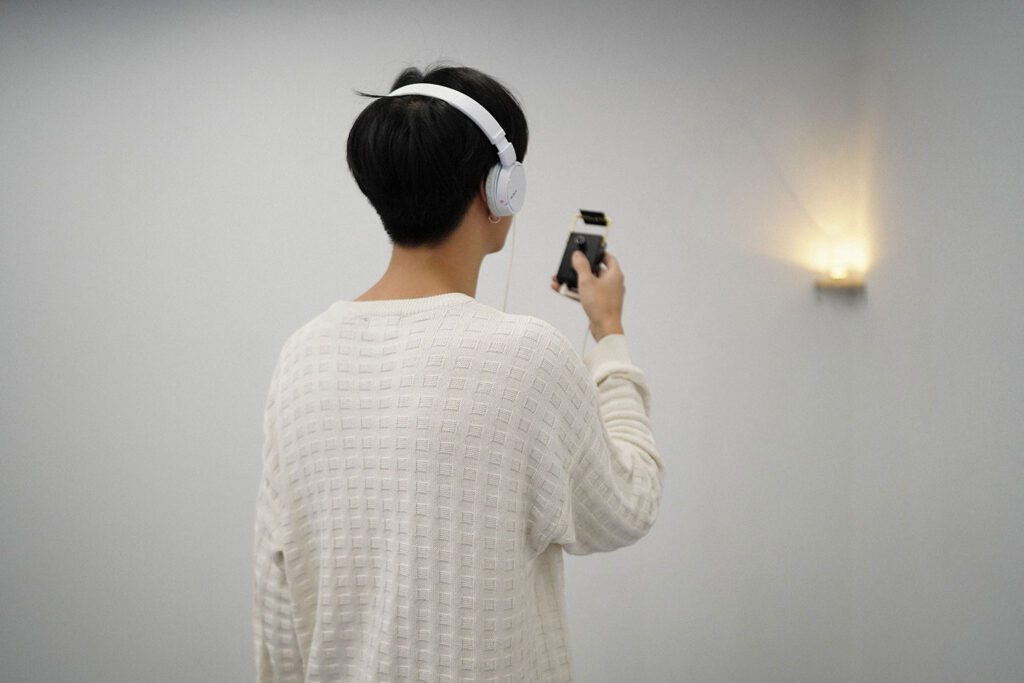
Yareta, site-specific sound work by Germaine Sijstermans

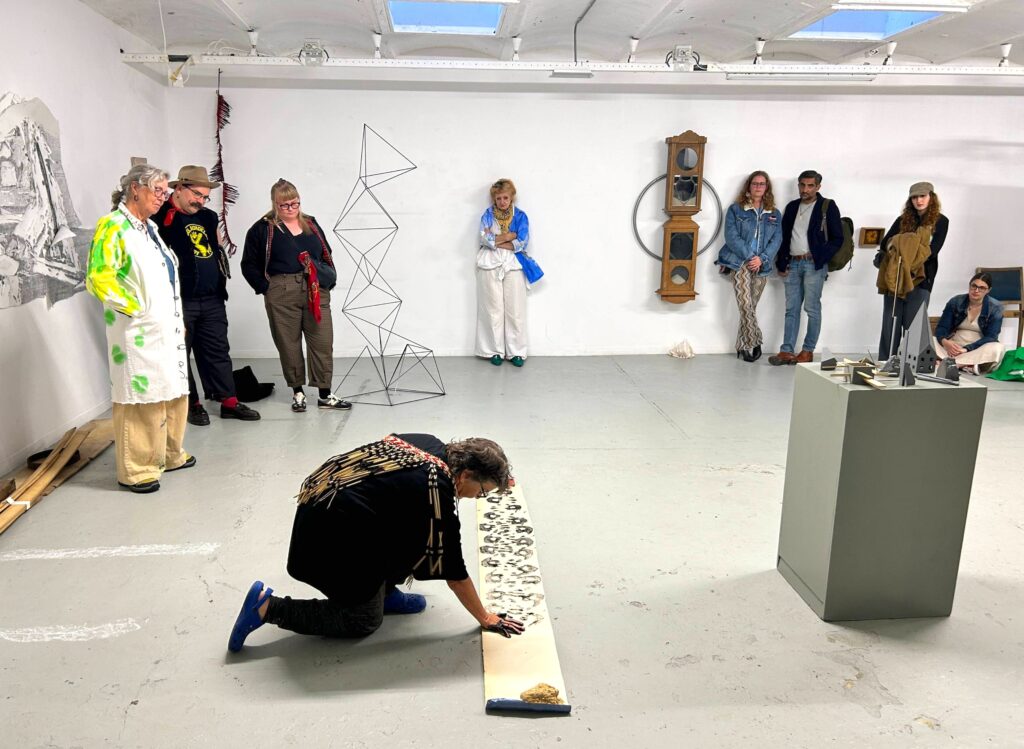
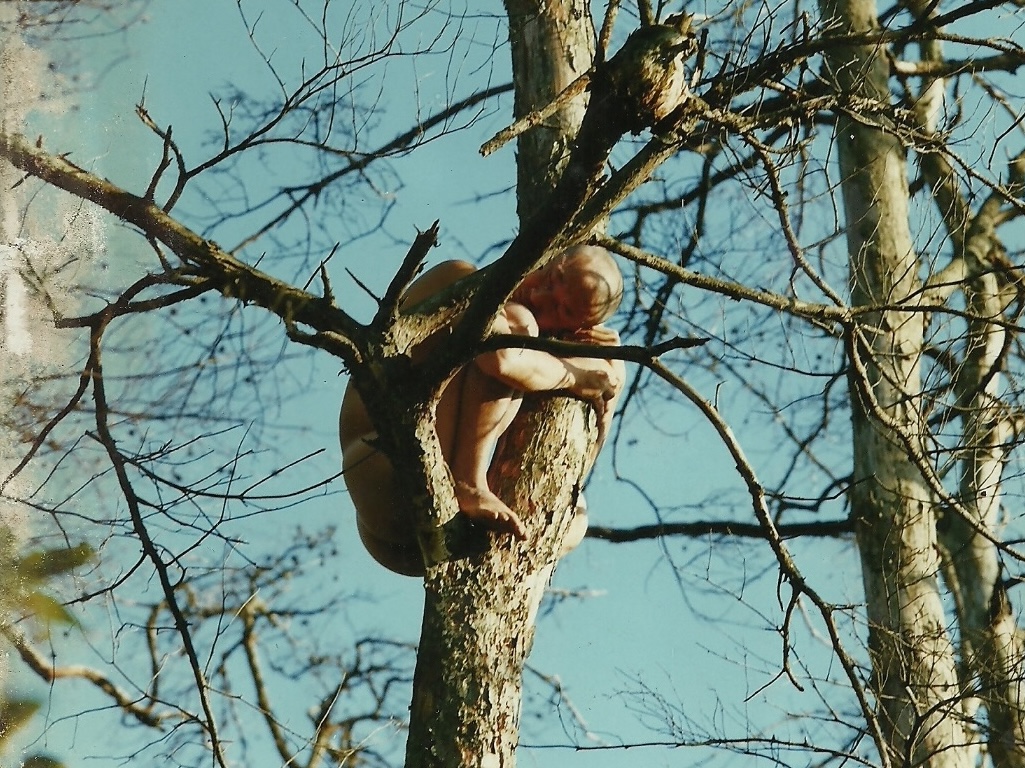
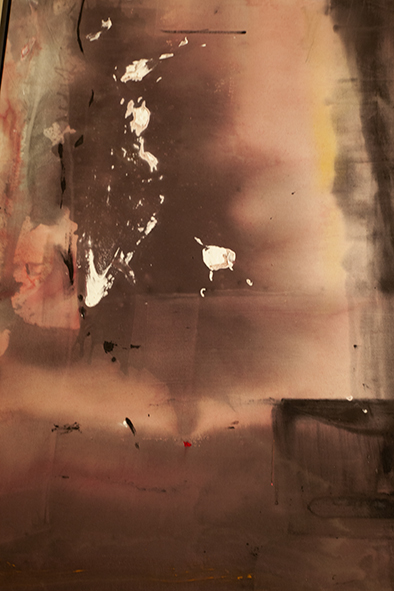
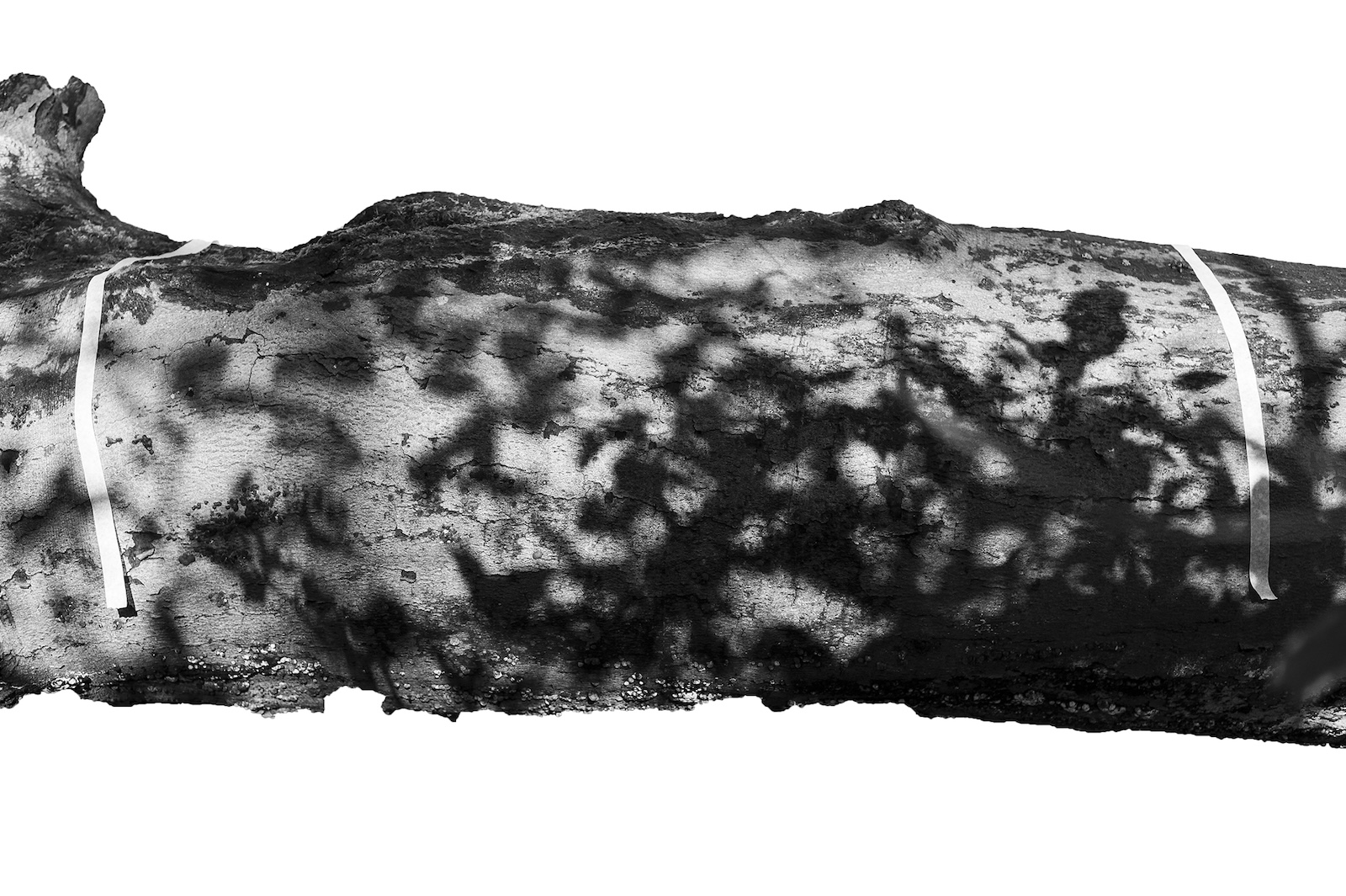
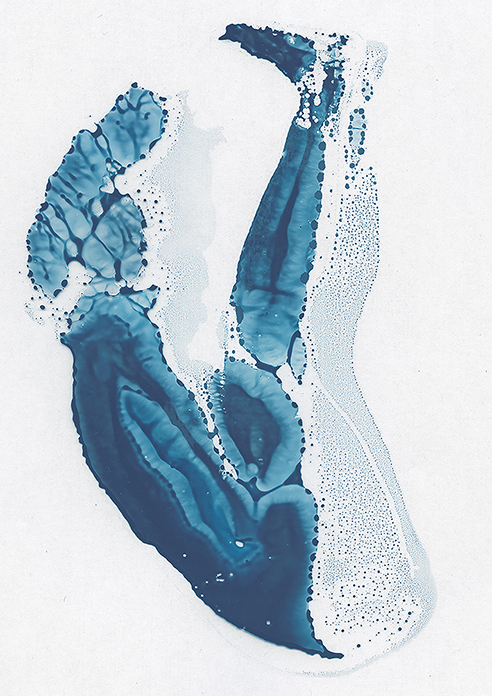
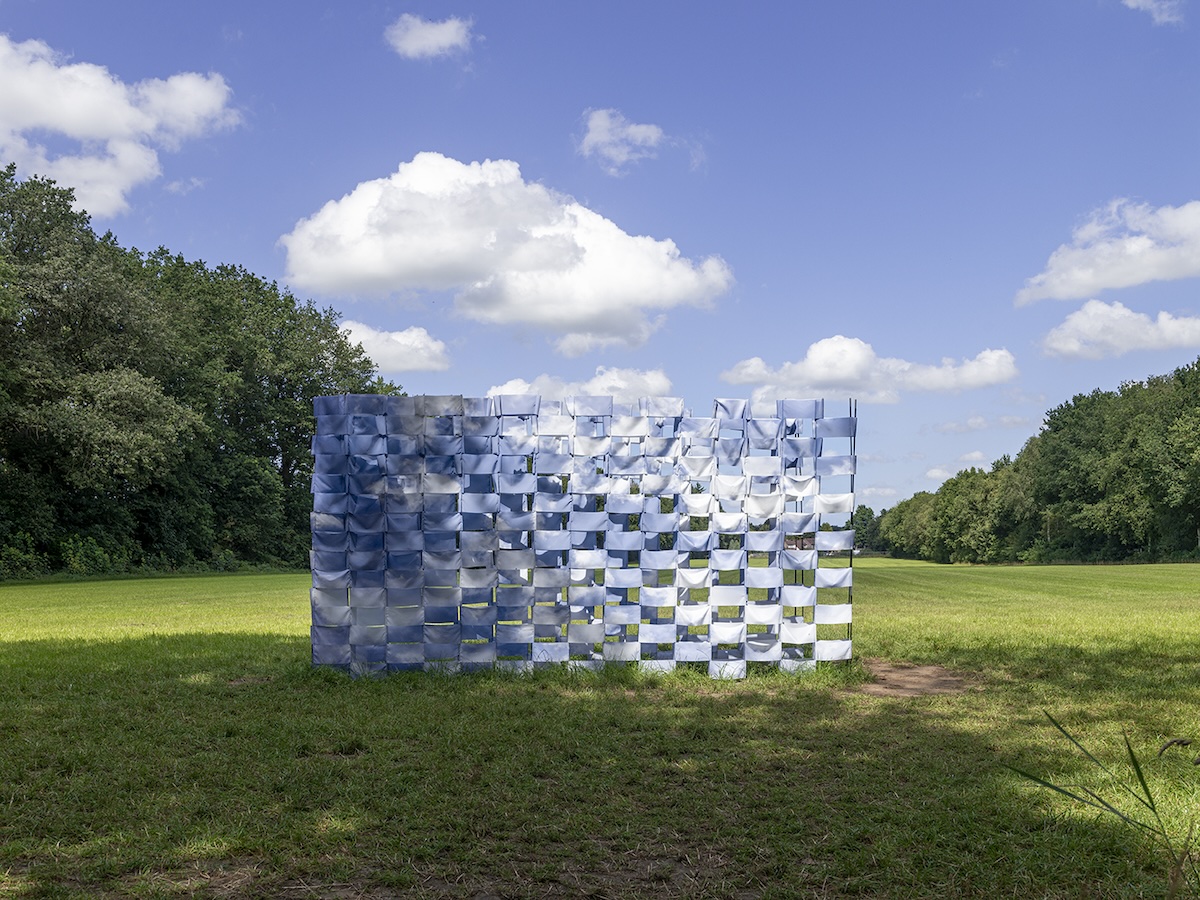
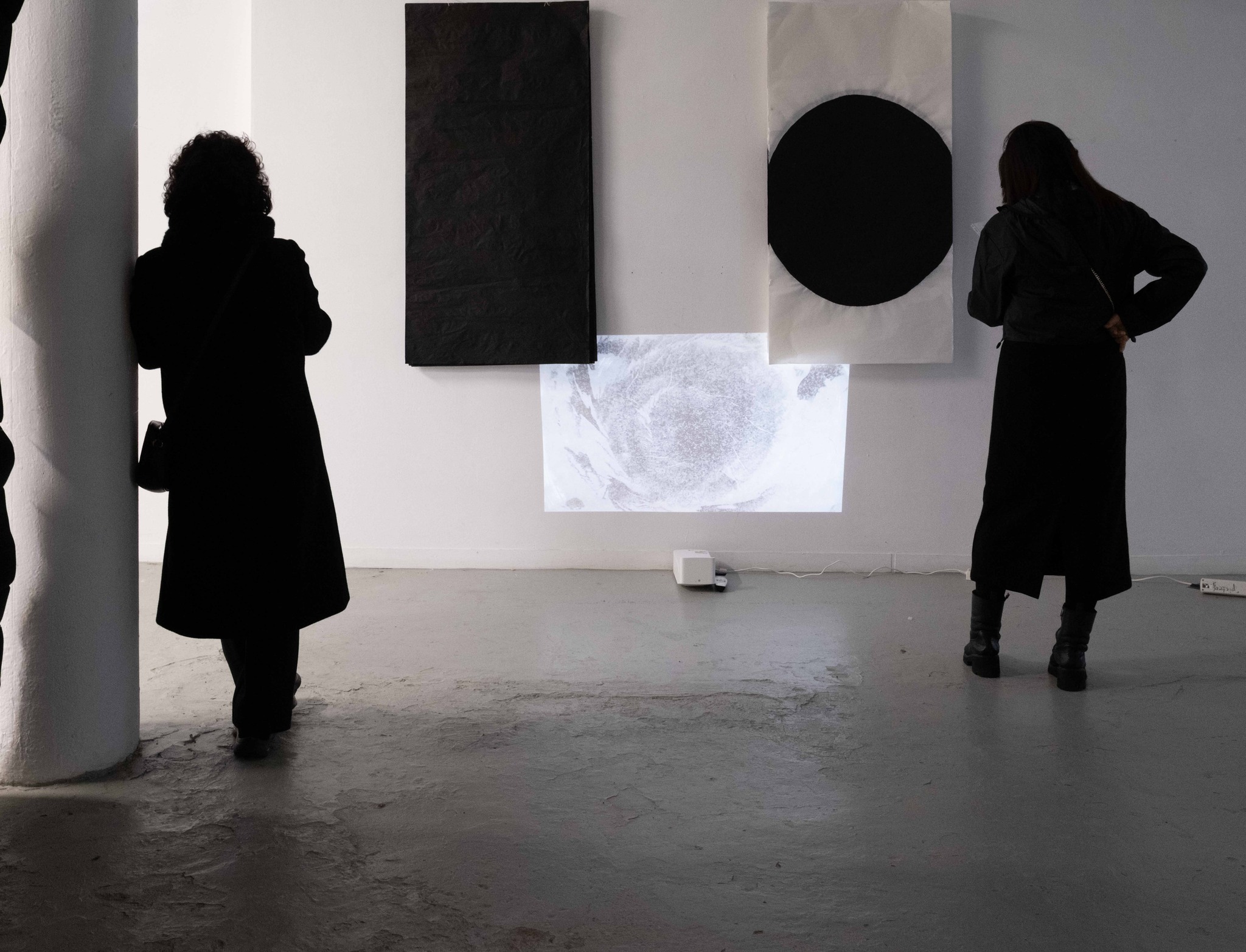
This year’s resident of ensemble Modelo62, Germaine Sijstermans, will develop her new site-specific installation ‘Yareta’, over the period of three weeks at Quartair. Yareta is composed as an open score, making each of the quartet’s three live performances a unique experience. Central to the music is timbre, sound textures, and a continuous interplay with perception itself, for both musicians and listeners. 


The installation will be open to visitors during opening hours, with the music playing through four speakers. Visitors are invited to wander freely through the space; listening, watching, thinking, lazing, and daydreaming. ‘Yareta’ is composed as an open score, making each of the quartet’s three live performances a unique experience.

The music will be performed by Elliot Simpson (guitar), Santiago Lascurain (guitar), Germaine Sijstermans (clarinet), Guy Vandromme (Indian harmonium), Leslee Smucker (lights).

Live concerts:
Friday, April, 24th. 20:30 – free entrance
Saturday, May, 2nd. 20:30 – €12,50 / students €7
Sunday May 10th. 16:00 – €12,50 / students €7
(Quartair newsletter subscribers get 100% discount)

Installation visiting hours 13:00 – 17:00
on the following dates:
April: 25, 26, 30
May: 1, 2, 3, 7, 8, 9, 10

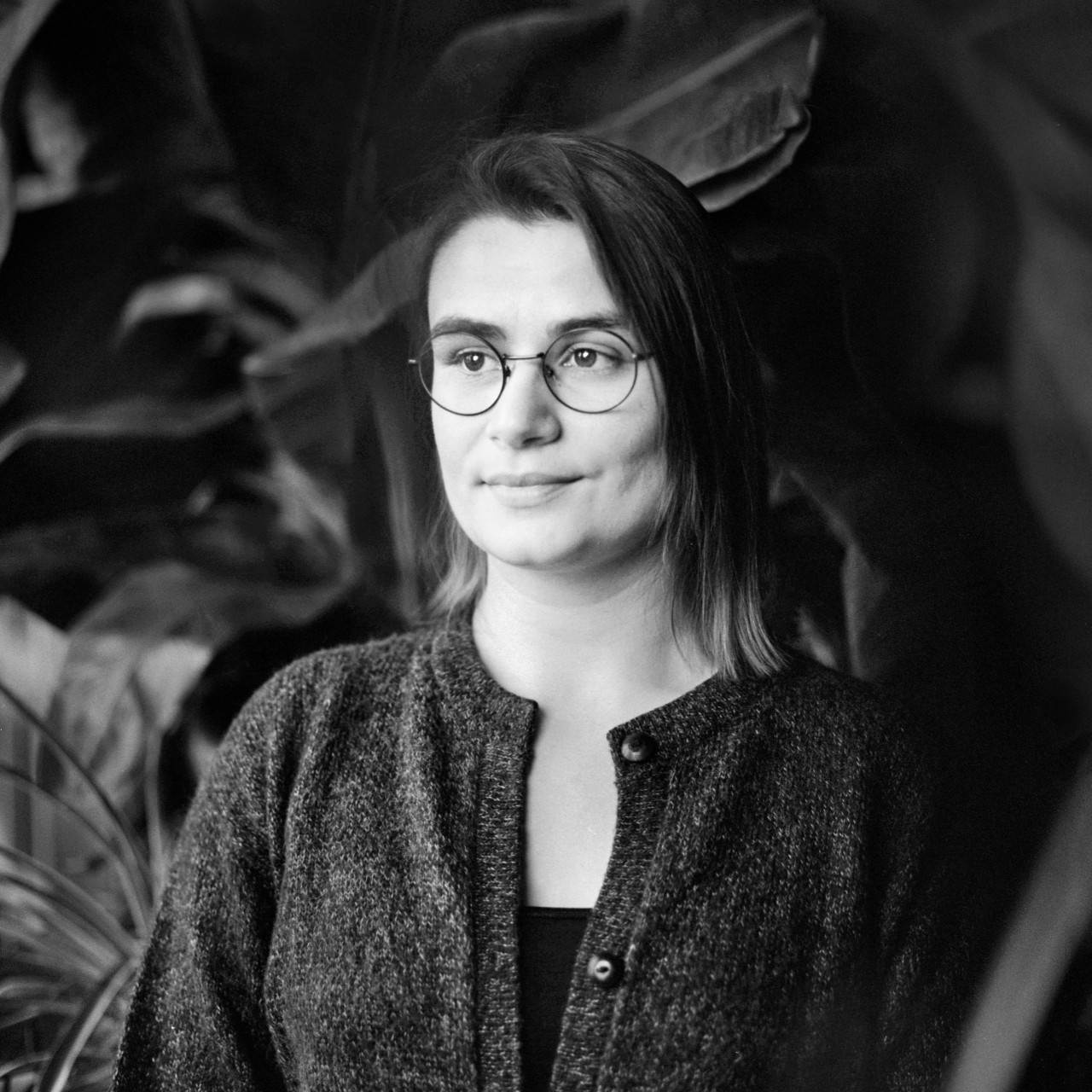
Germaine Sijstermans • Photo by Joris Hilterman

The project was co-commissioned by Gerliene and Sven Karssenberg-Schlijper and is supported by FPK, Gemeente Den Haag, Intro in Situ.

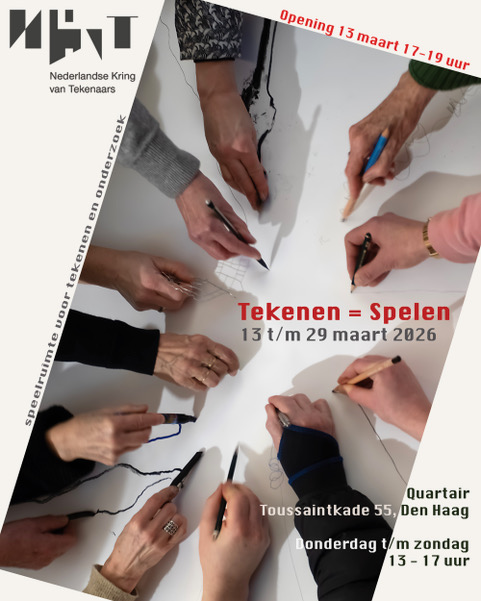
Tekenen = Spelen

Van 13 t/m 29 maart 2026

Opening: vrijdag, 13 maart 2026, van 17.00 tot 23.00 uur (Hoogtij)
Openingstijden: donderdag t/m zondag van 13.00-17.00 uur
Finissage & kunstenaarsgesprek: zondag, 29 maart 2026, 14.00–16.00 uur


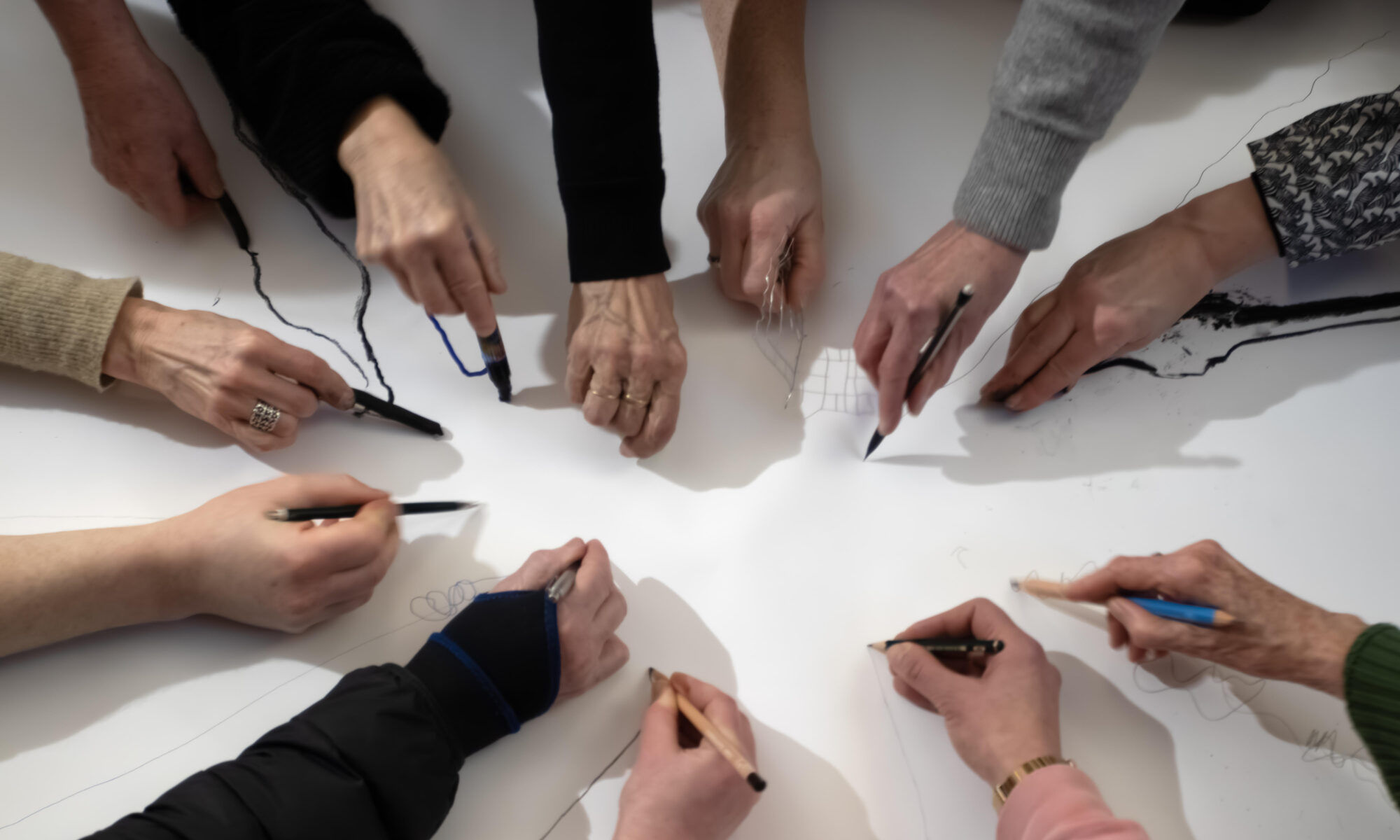
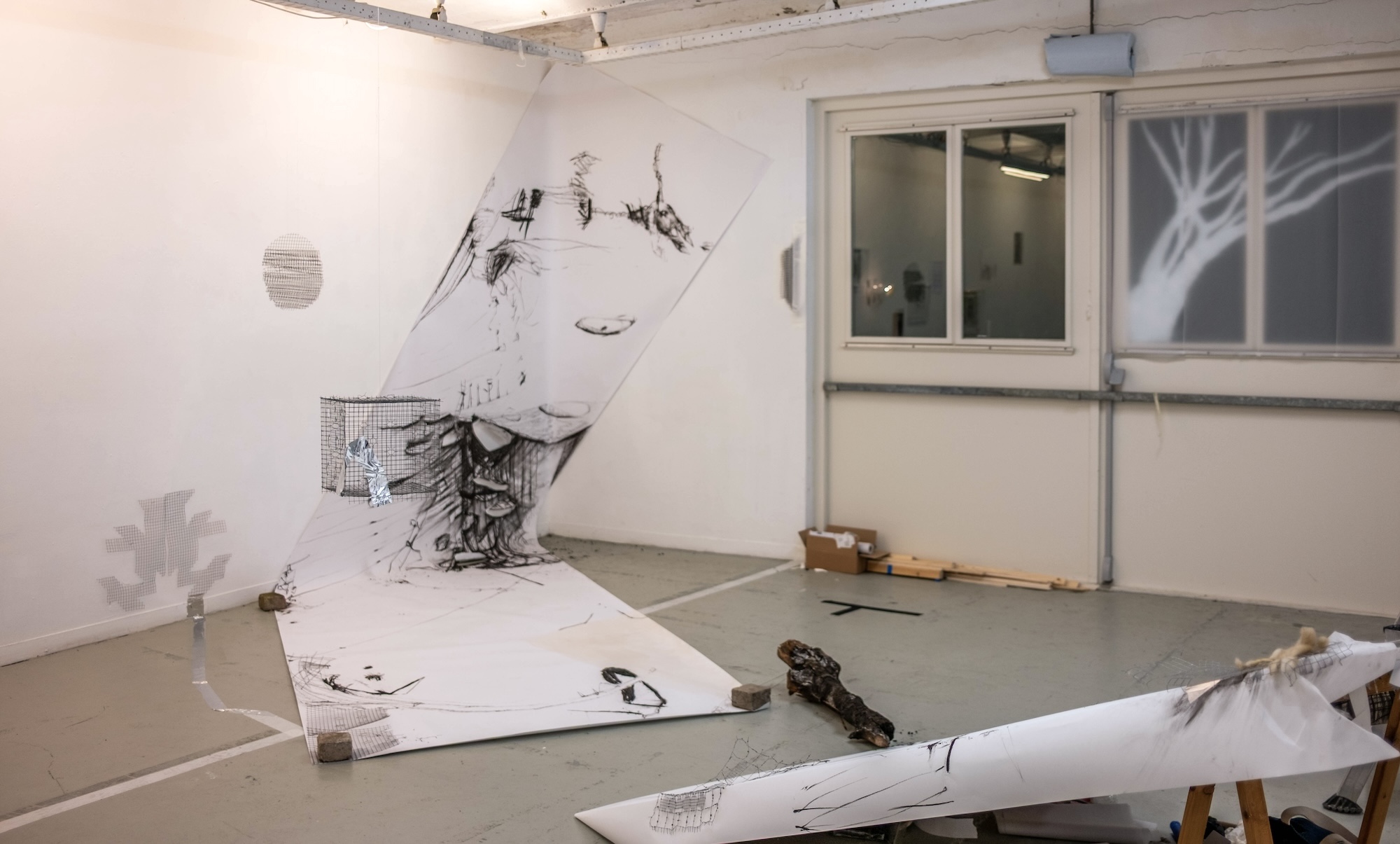
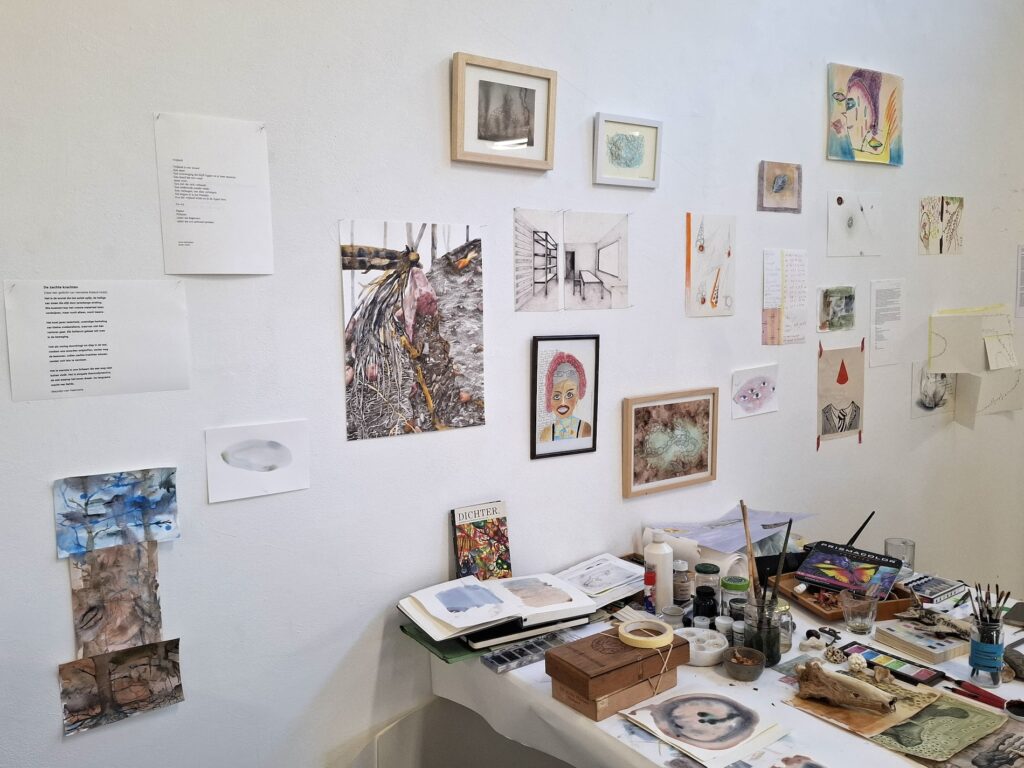
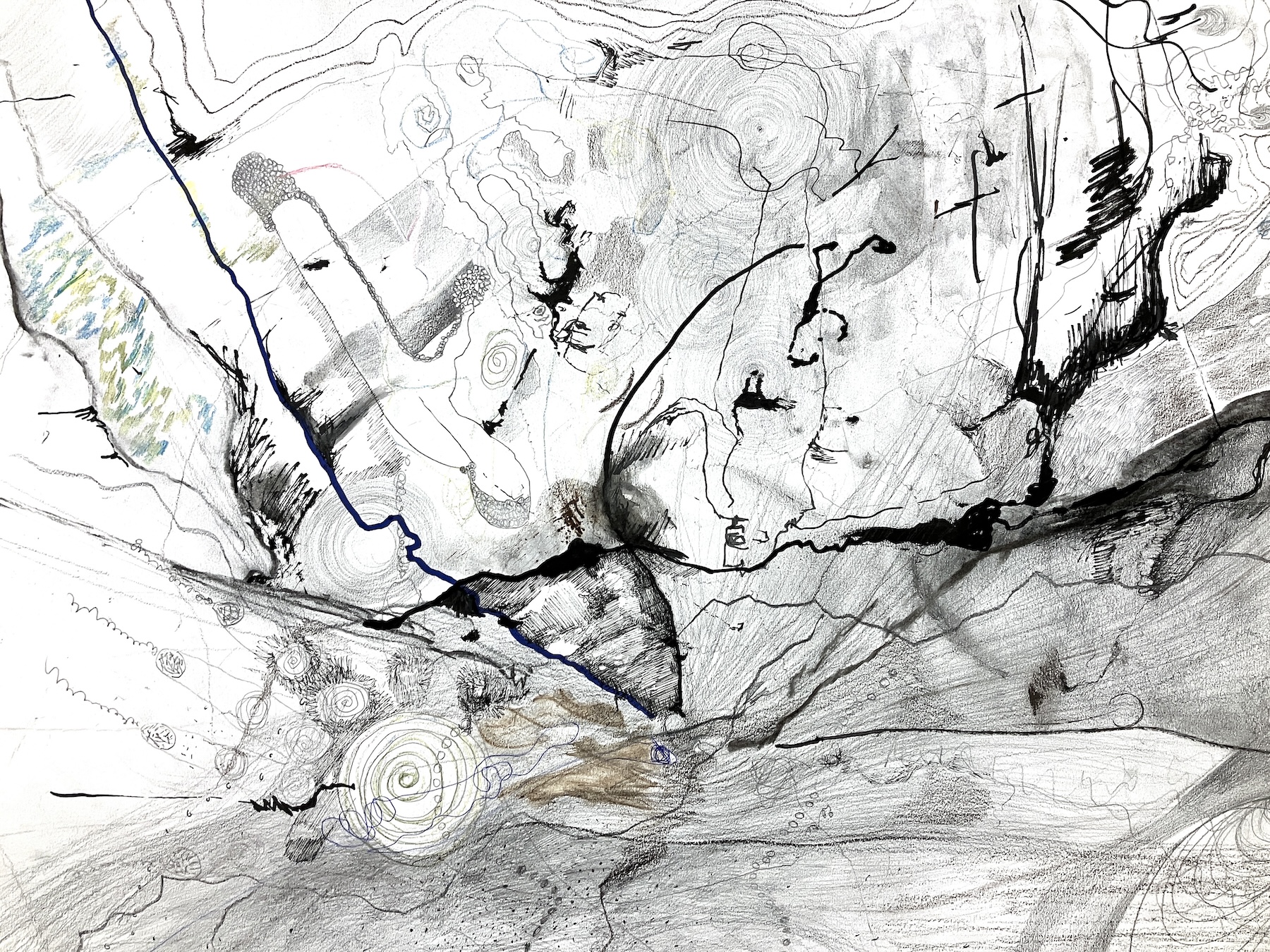
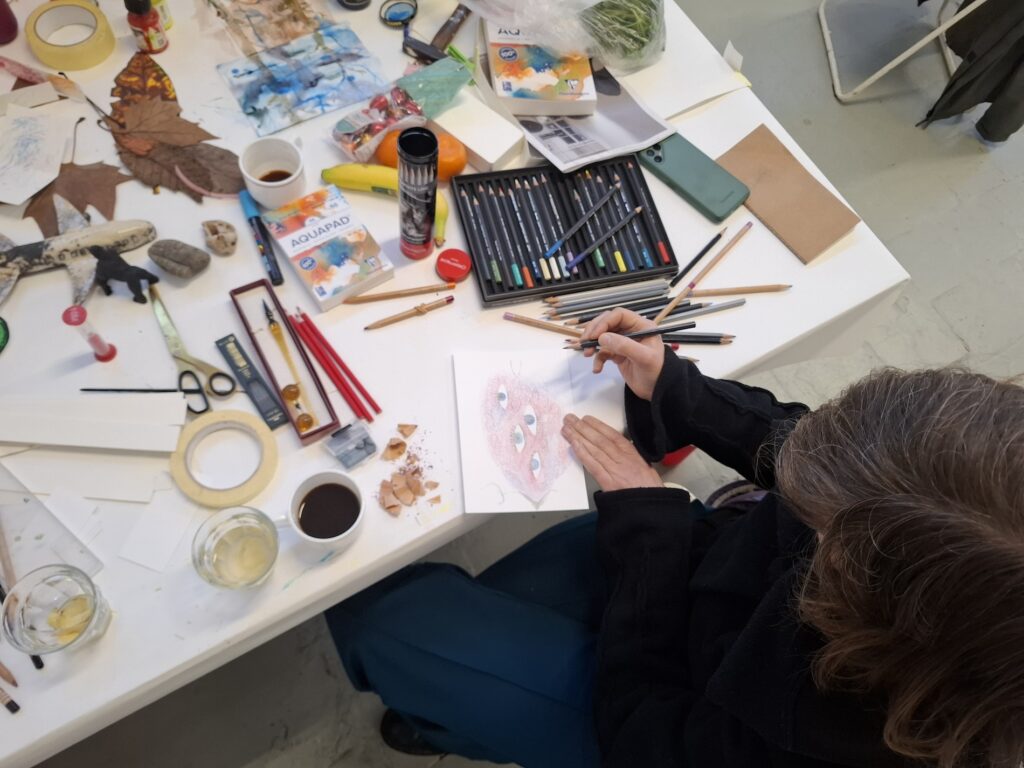
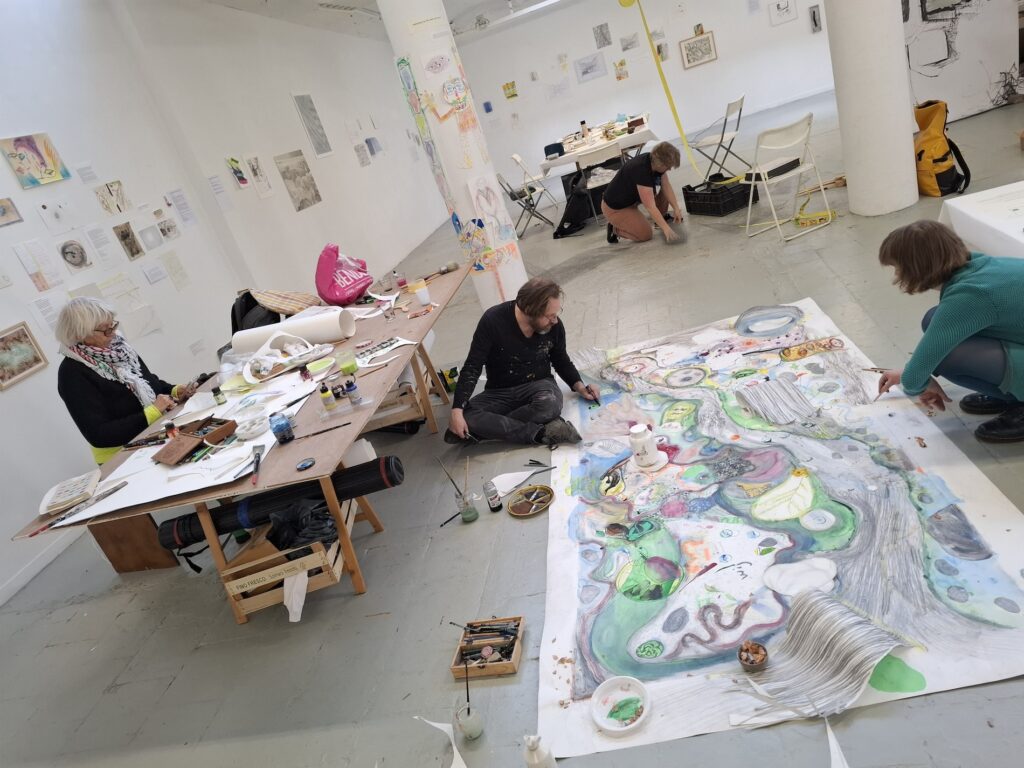
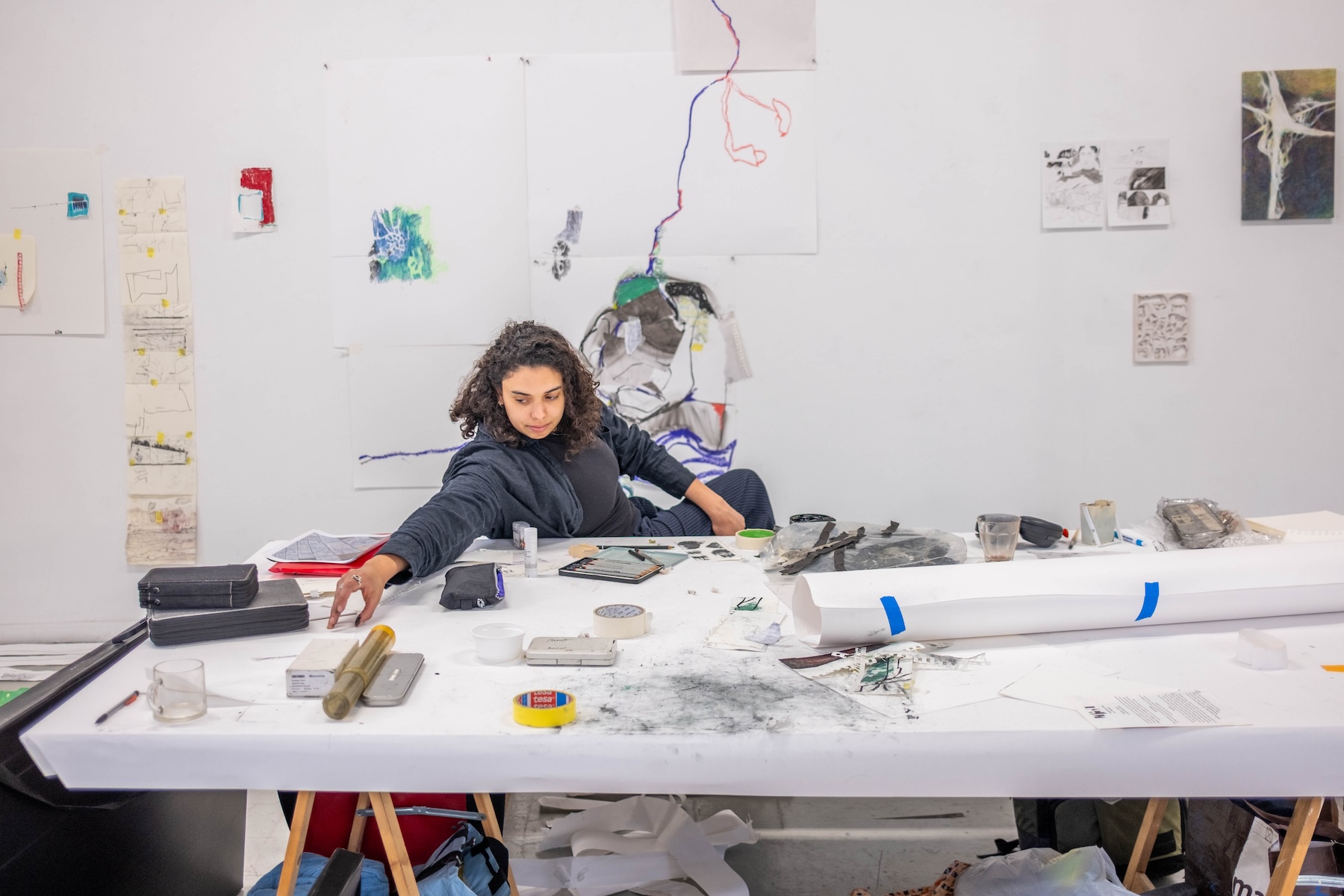
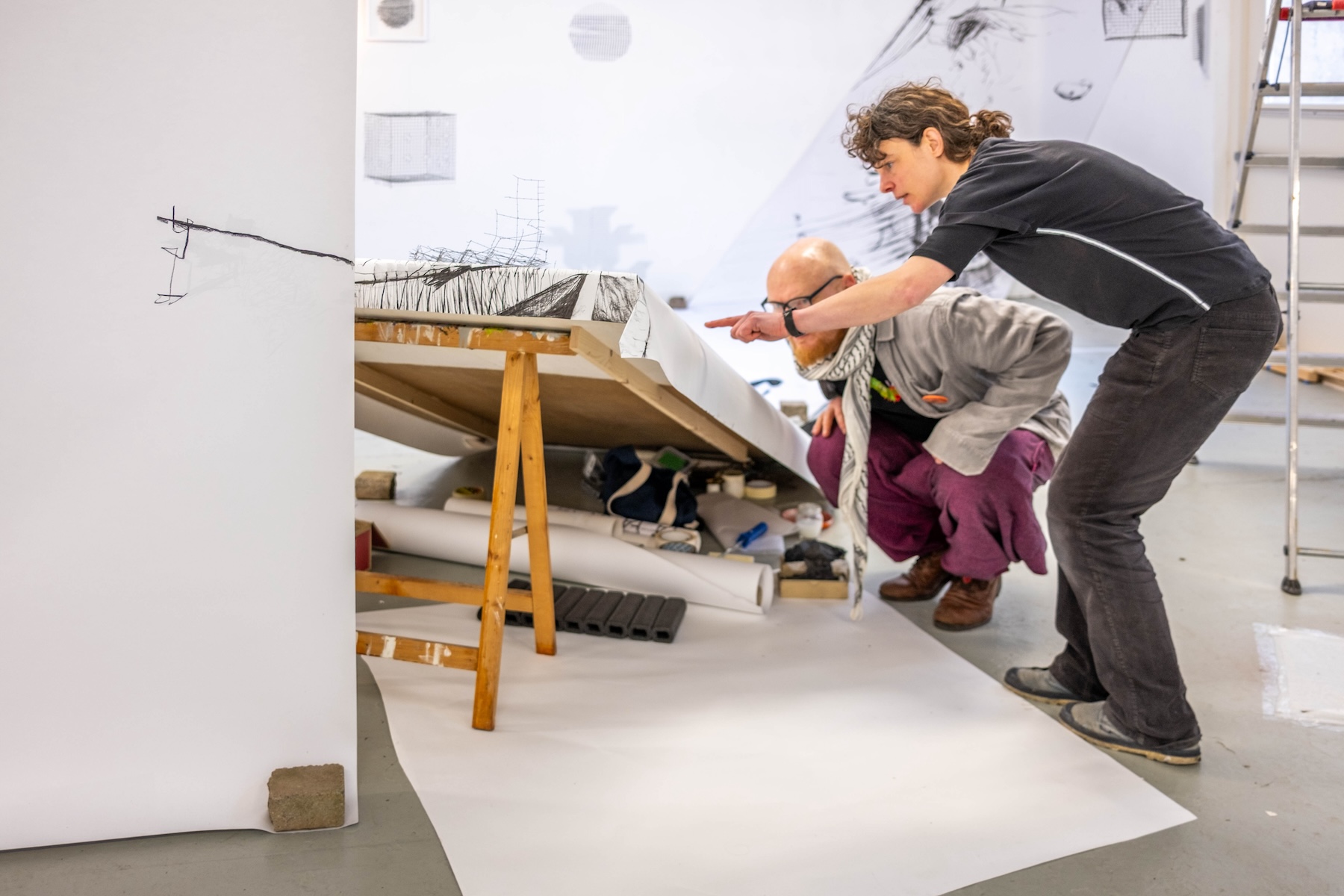
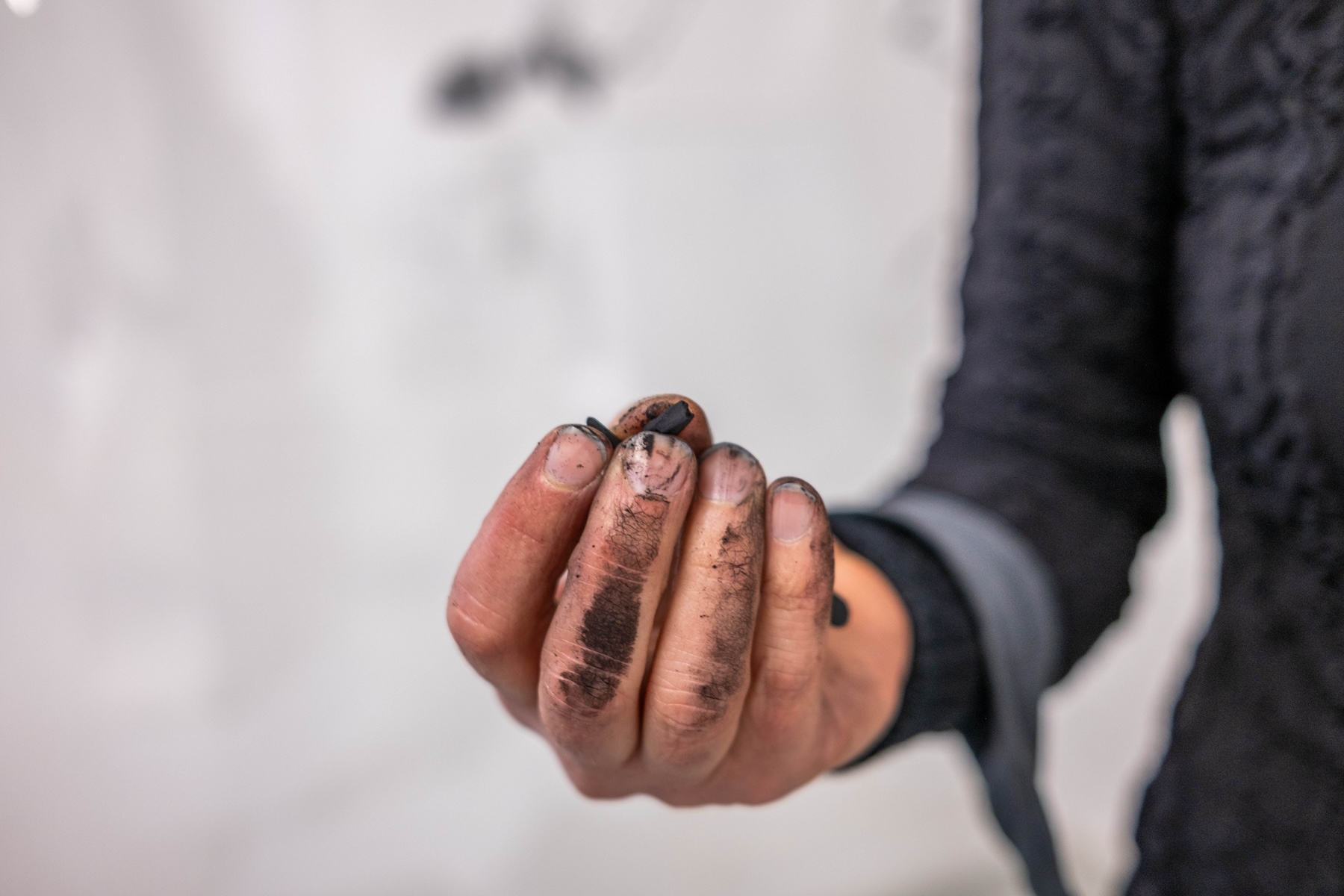
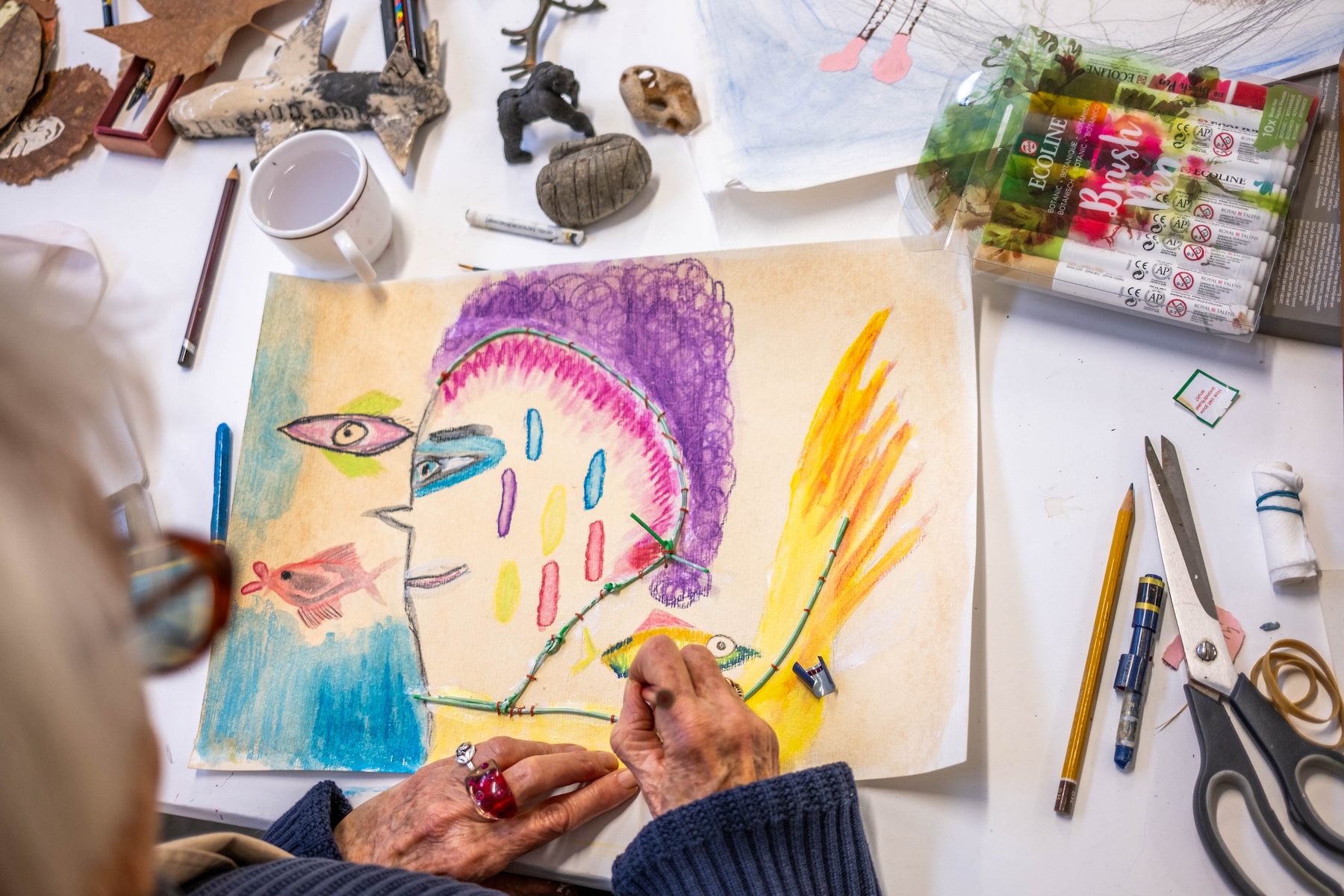
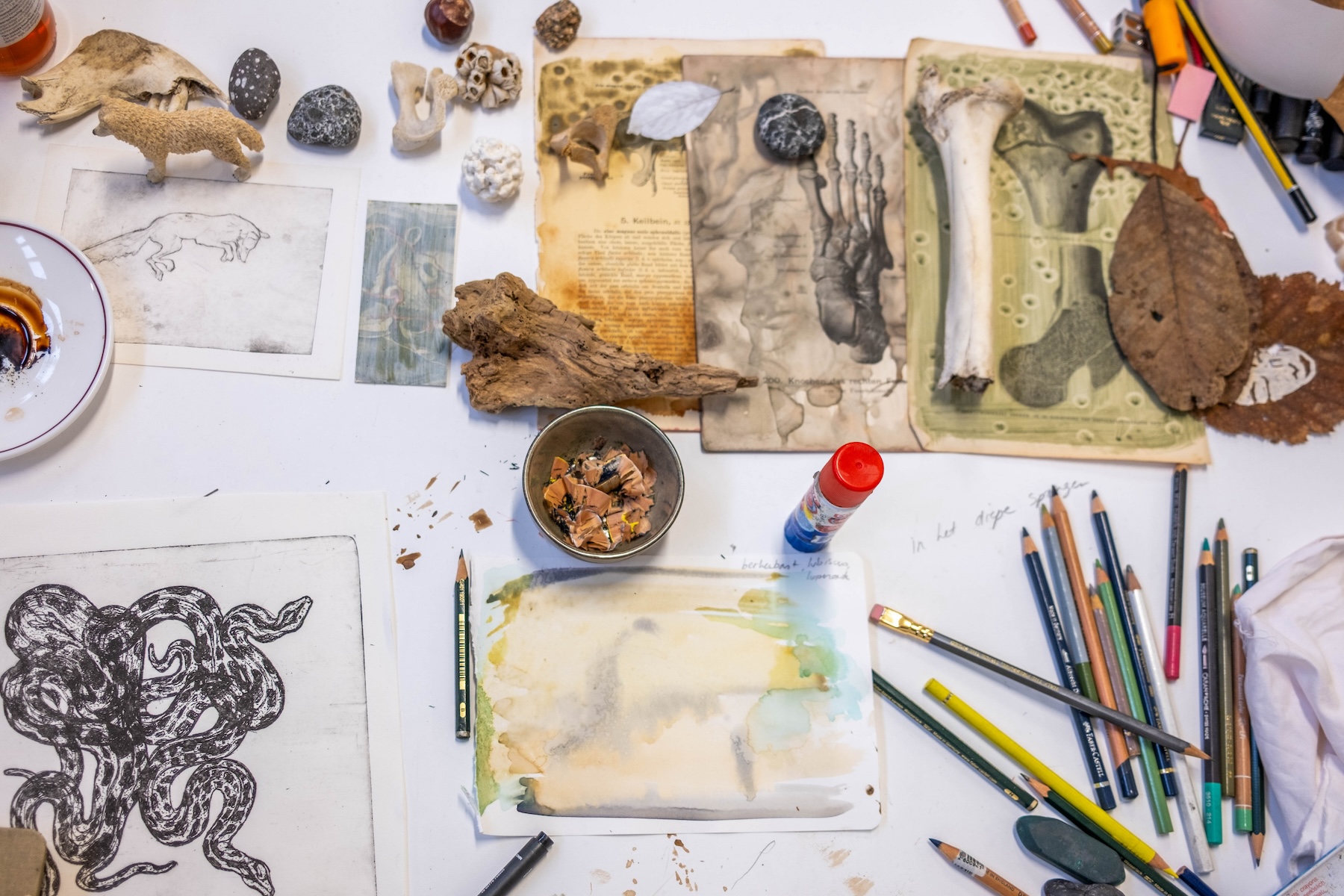
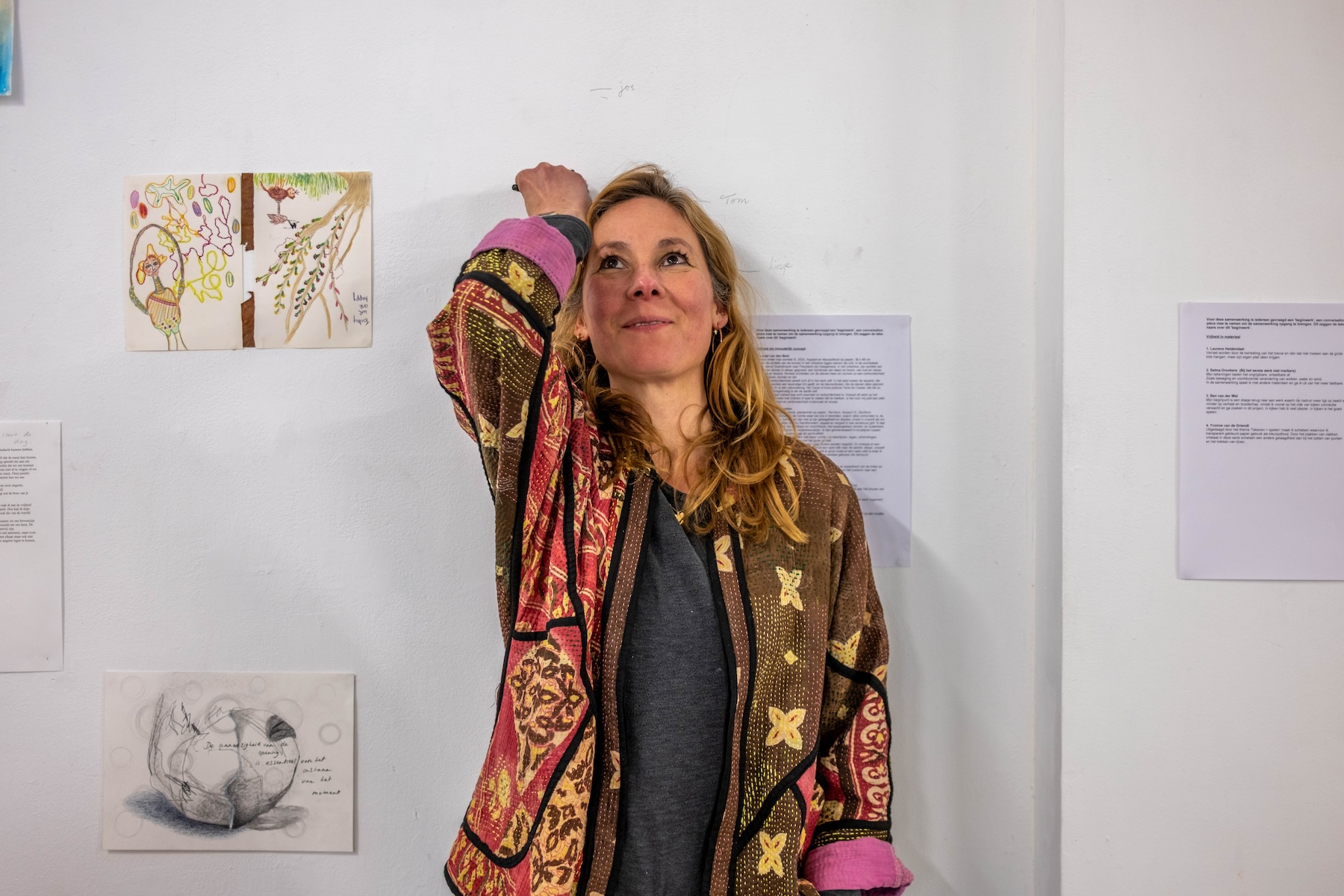
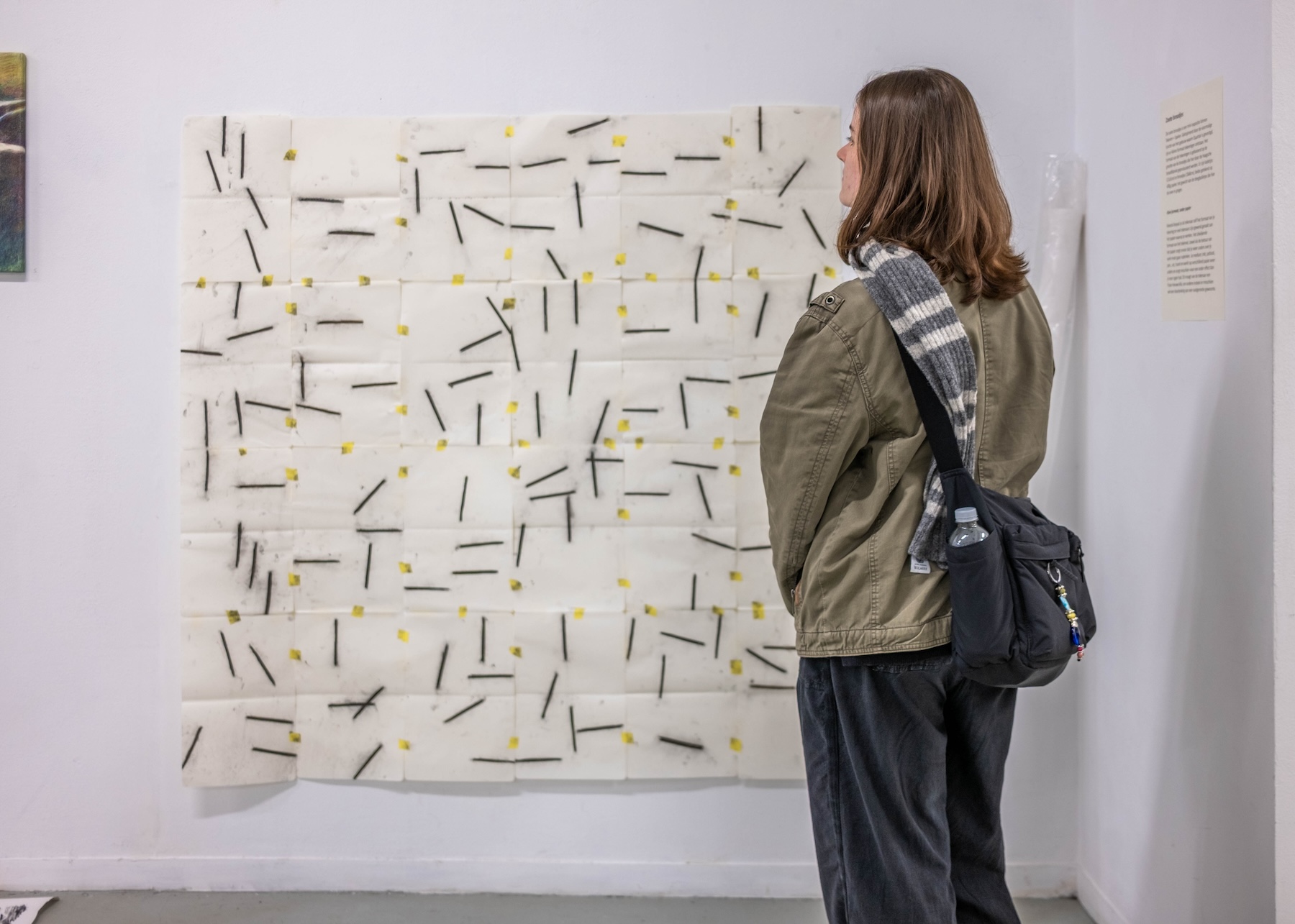
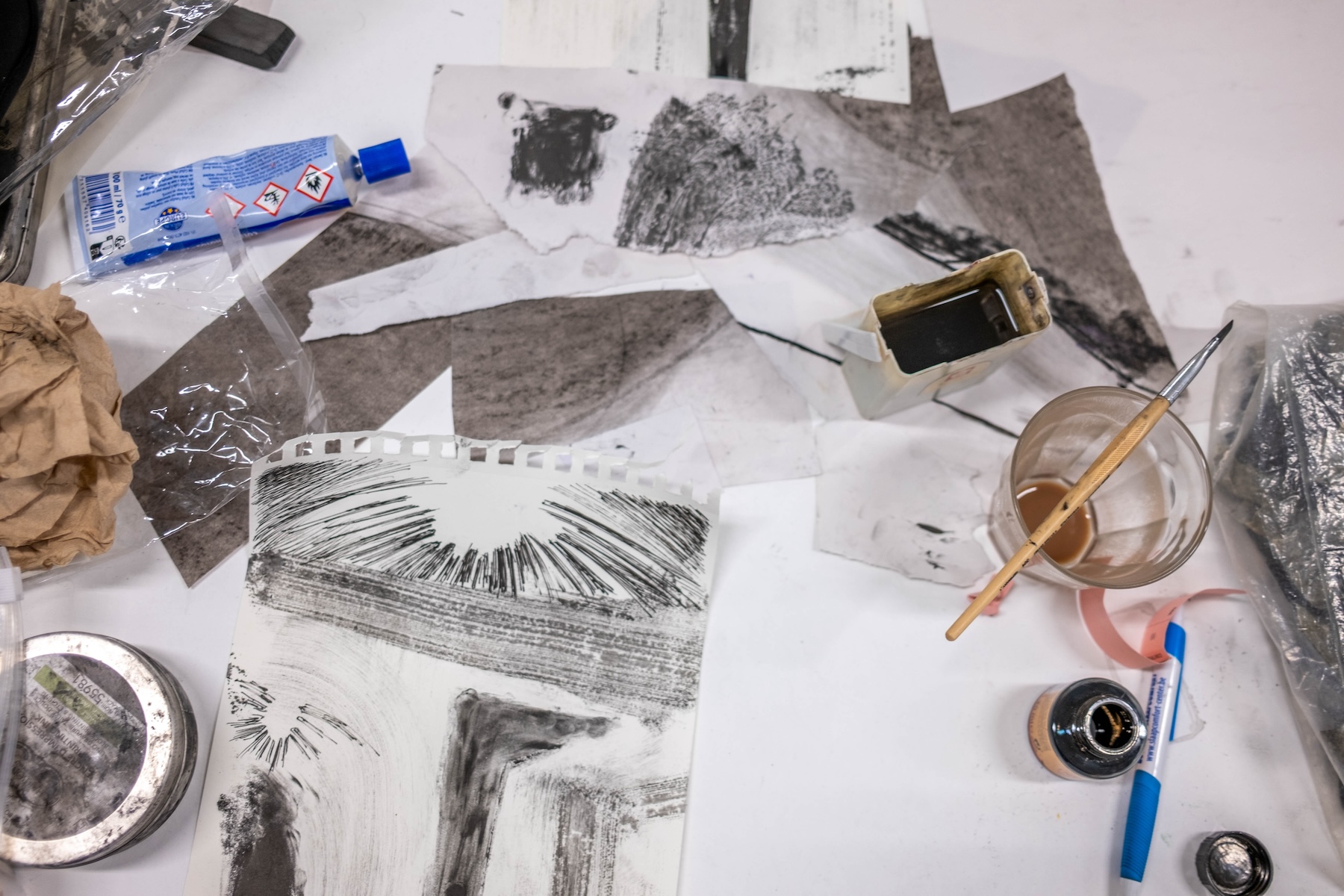
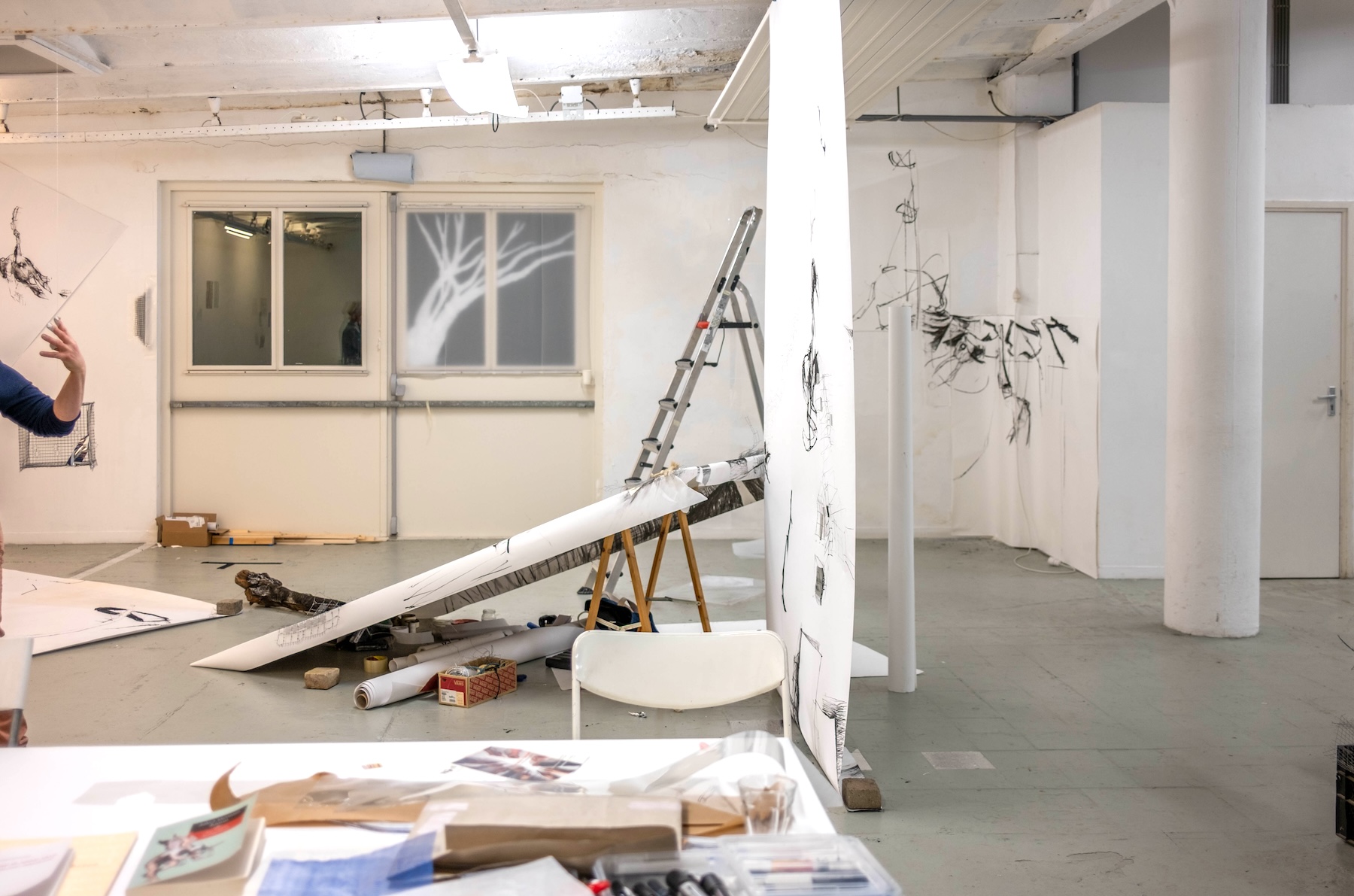
Van 13 t/m 29 maart 2026 verandert de Nederlandse Kring van Tekenaars (NKvT) onze projectruimte in een vrije speelruimte voor tekenen en onderzoek. Onder de titel Tekenen = Spelen werken kunstenaars samen in een open laboratorium, waarin het proces belangrijker is dan het eindresultaat. Experimenteren, falen en opnieuw beginnen krijgen hier volop ruimte.

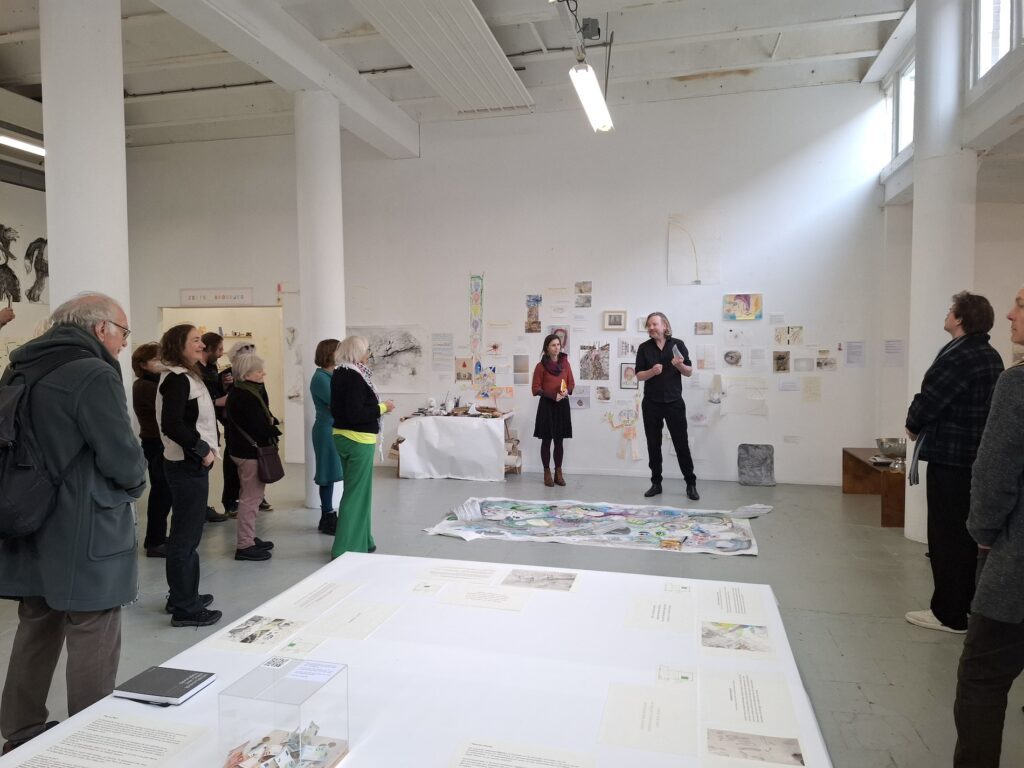
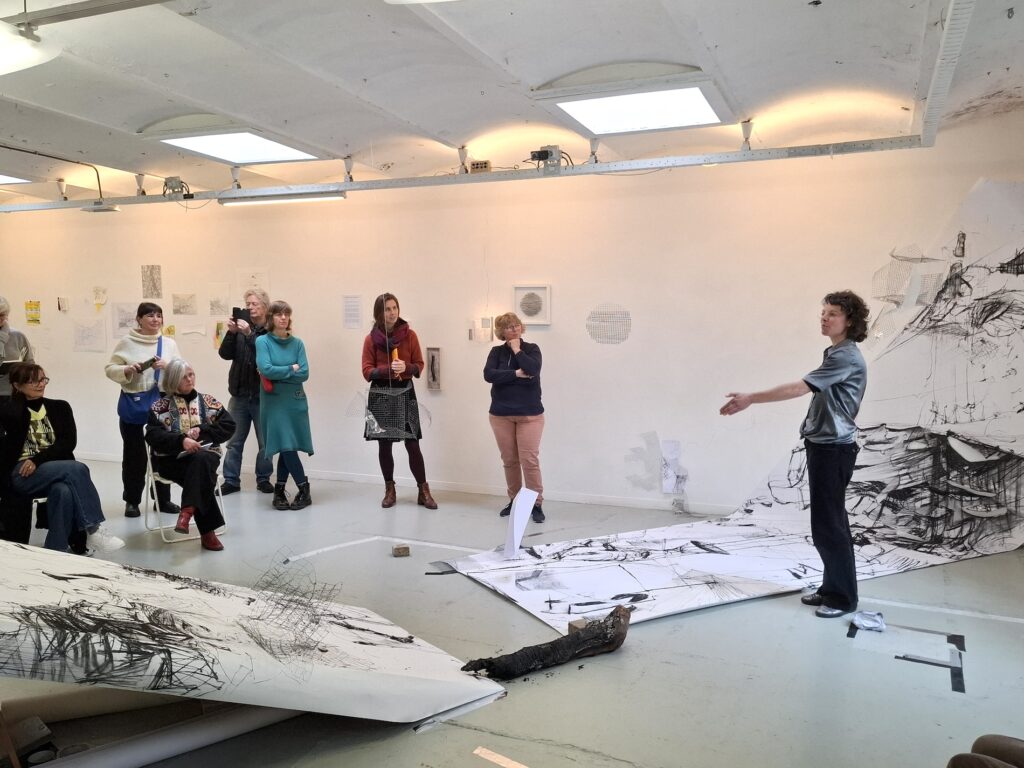
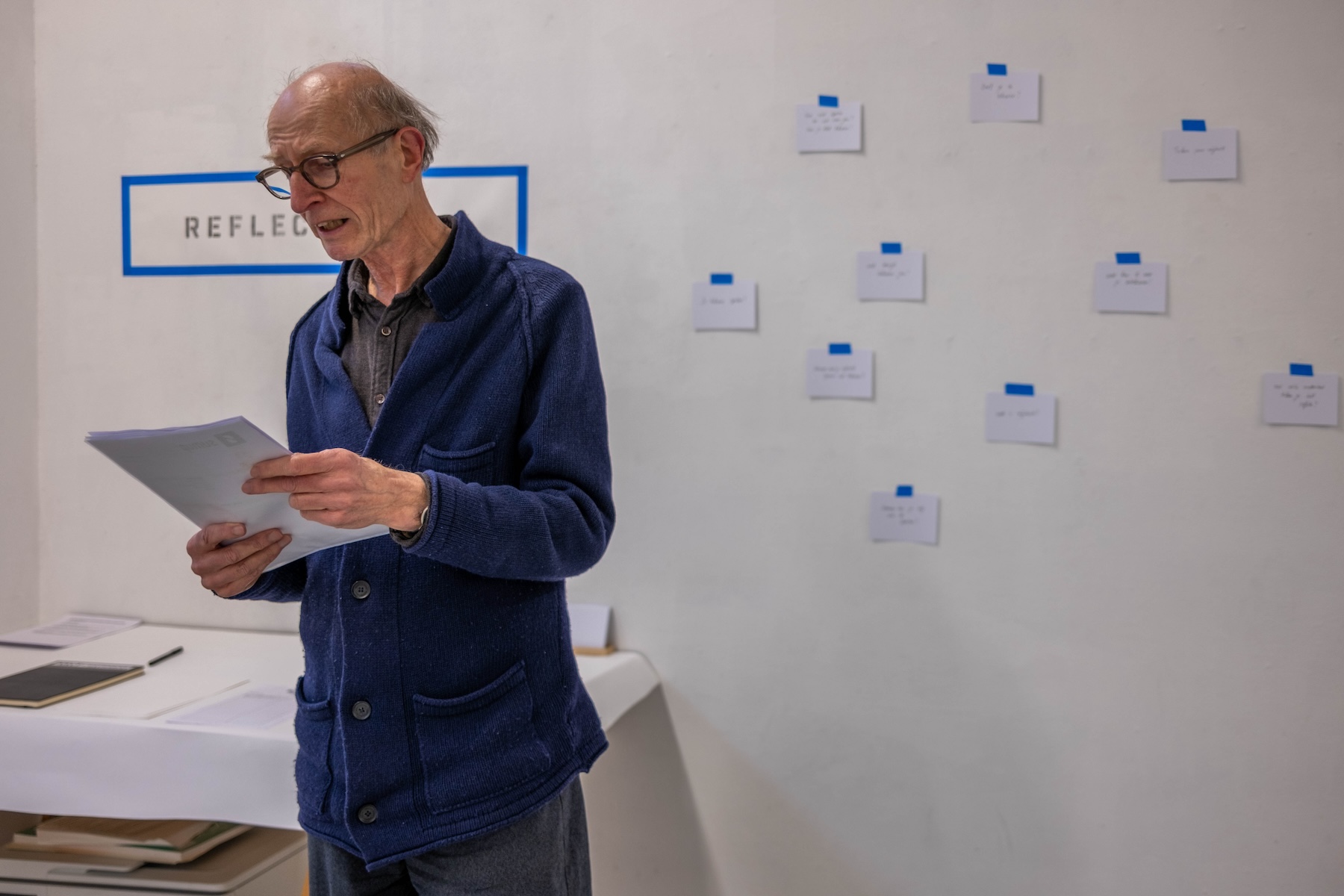
De tentoonstelling opent feestelijk op vrijdag 13 maart van 17.00 tot 19.00 uur, met aansluitend Hoogtij. Op zondag 29 maart van 14.00 tot 16.00 uur vindt een afsluitend publiek gesprek plaats, waarin de kunstenaars reflecteren op de samenwerkingen en de nieuwe ontdekkingen die tijdens de werkperiode zijn ontstaan.

Quartair is opgedeeld in vier werkzones, waarin groepjes het thema vrijheid vanuit verschillende invalshoeken onderzoeken: in materiaal, in denken, in ruimte en als inhoudelijk concept. Bezoekers zijn getuige van een voortdurend veranderende tentoonstelling, waarin samenwerking, dialoog en experiment centraal staan.

Zoete Broodjes

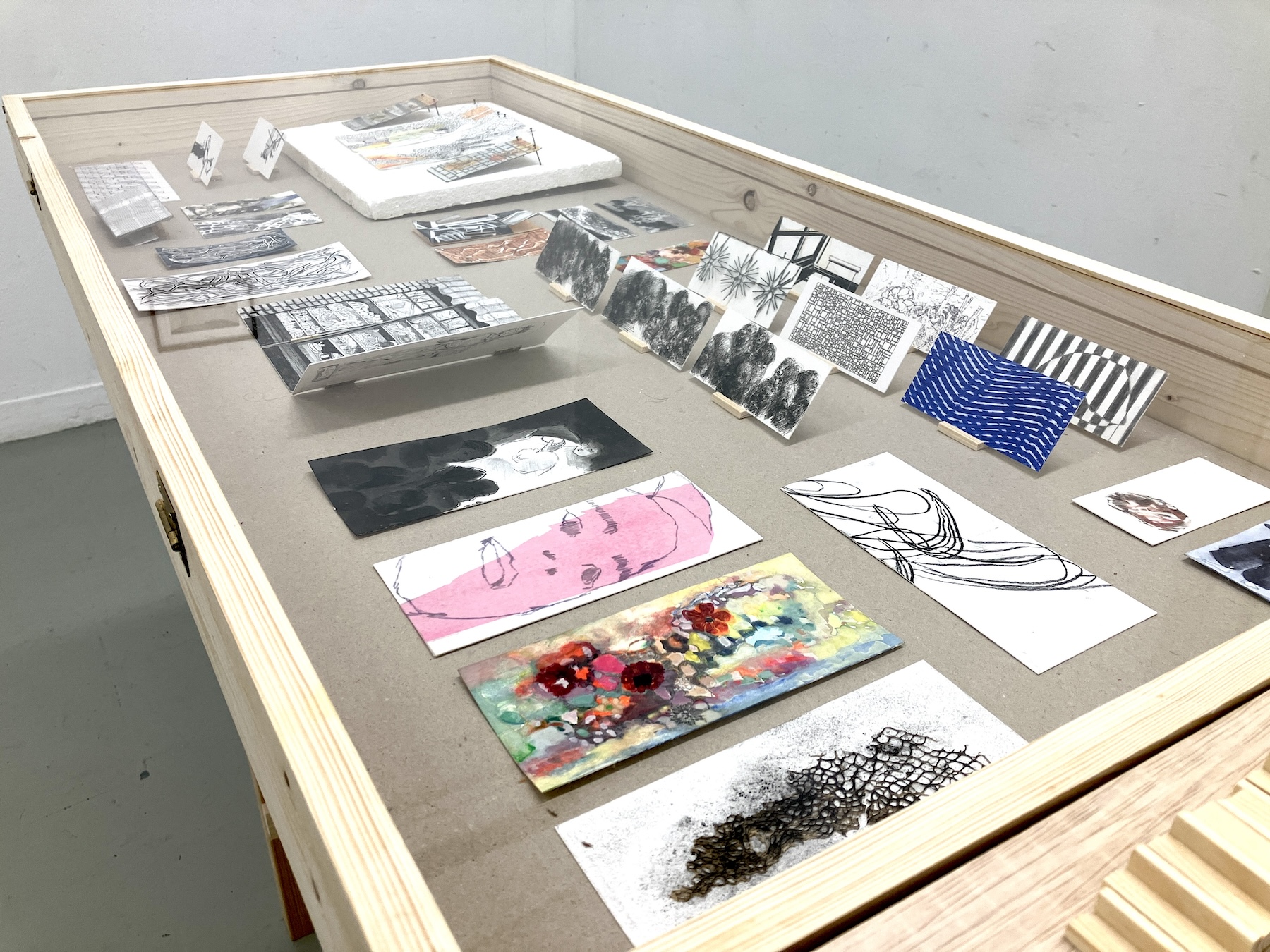
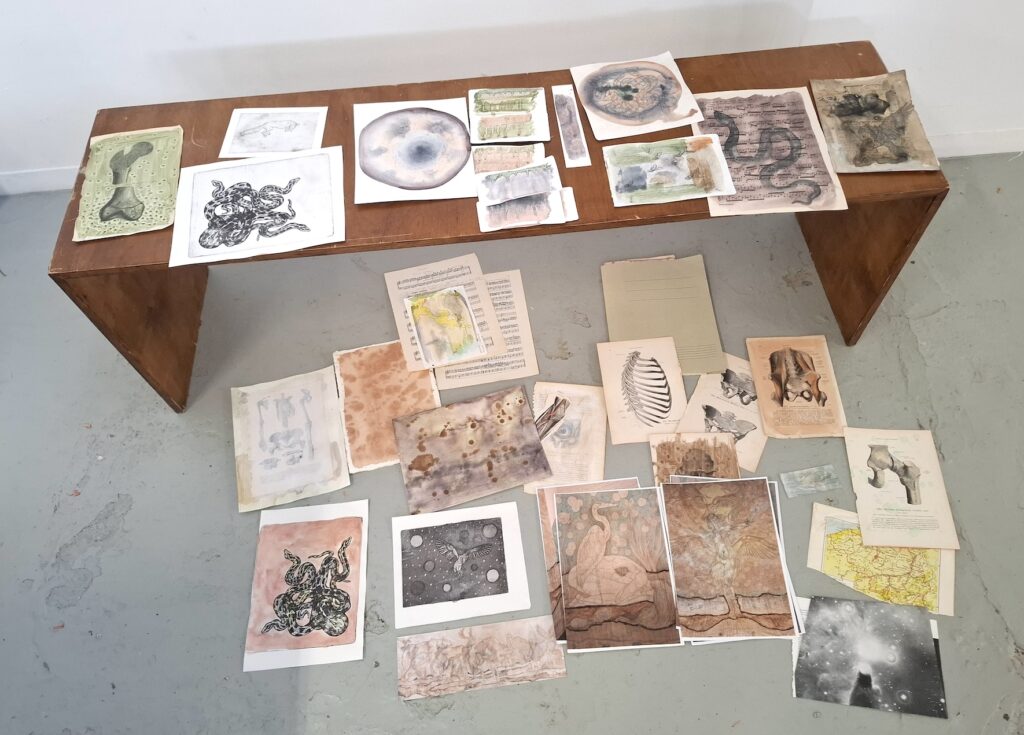
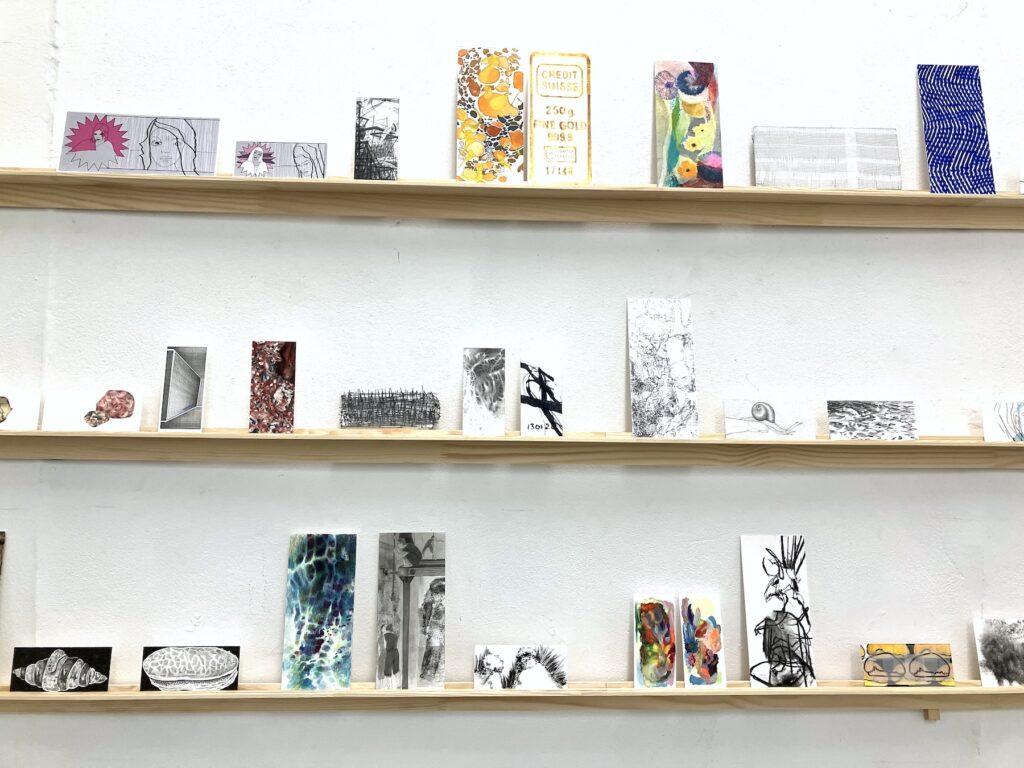
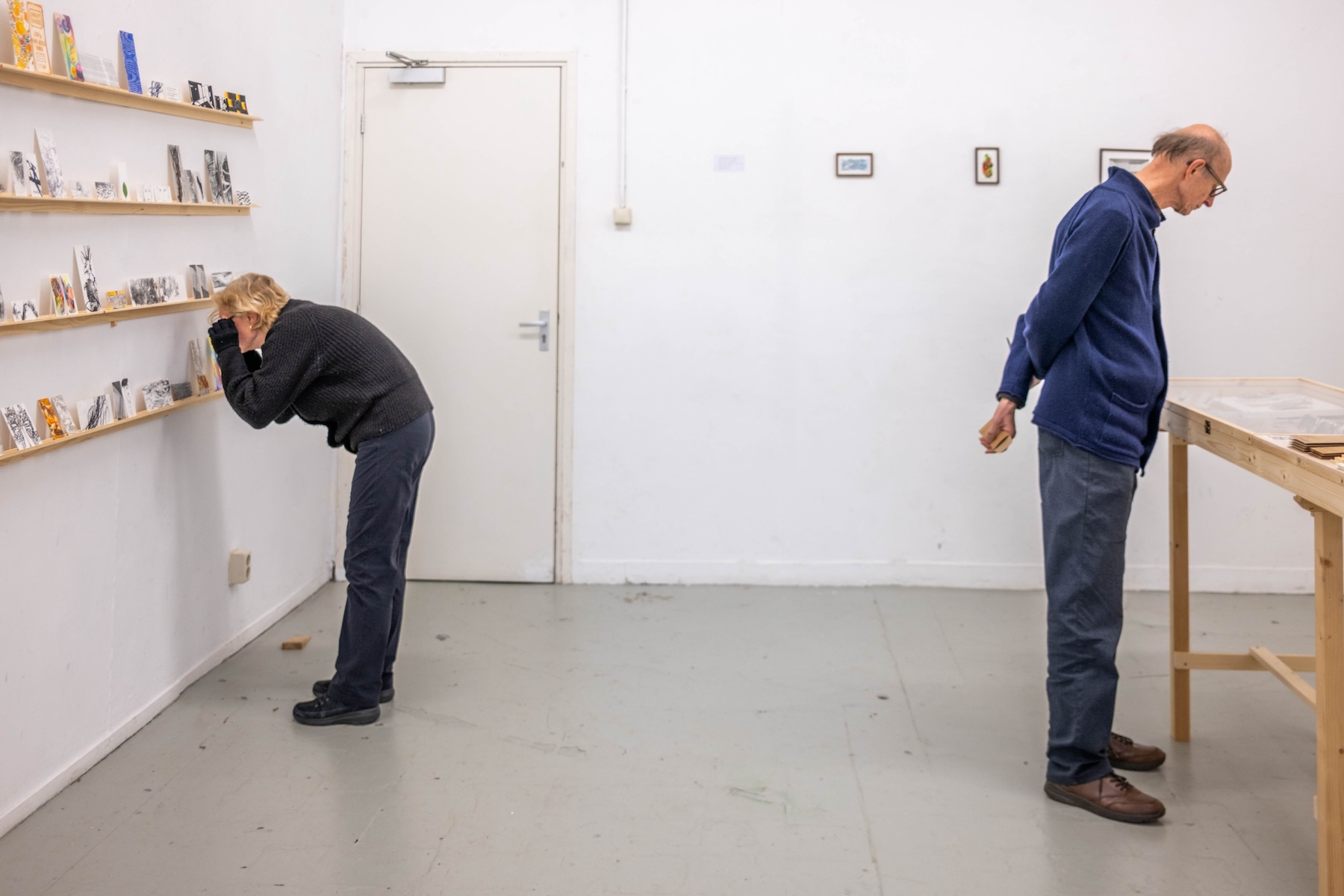
In de achterruimte is de groepsexpositie Zoete Broodjes te zien: kleine tekeningen in het formaat van kadetjes en broden, om direct mee te nemen, geïnspireerd op de geschiedenis van de Haagsche Broodfabriek waarin Quartair is gevestigd.

Over de NKvT

De Nederlandse Kring van Tekenaars verenigt kunstenaars die autonome tekenkunst als kern van hun werk zien. Sinds 1947 maakt de NKvT de ontwikkeling van tekenkunst zichtbaar en biedt een platform voor ontmoeting, onderzoek en uitwisseling. Meer informatie: www.nvkt.nl

Tekenen = Spelen is een uitnodiging om vrijheid niet alleen te bekijken, maar ook te ervaren: als bezoeker, als maker en als mens.

Kunstenaars
Hanna de Haan, Yvonne van de Griendt, Inez Ishizaki, Ben van der Wel, Lisanne Sloots, Natascha Waeyen, Selma Dronkers, Nanou Jacobs, Anna Rudolf, Zela Odessa Palmer, Laurens Heidendael, Yvonne van den Herik, Marijke Vijfhuizen, Tom Heerschop, Anne Verhoijsen, Emma van Drongelen, Liesje van den Berk, Sandra Mackus, Wilma Laarakker, Herman Fontein, Egbarta Veenhuizen, Janneke Tangelder, Ingeborg Oderwald, Bernadette Beunk, Georg Bohle, Matthijs van Zessen, Thérèse Zoekende.

Foto’s opening door Dana LaMonda, 13 maart 2026

EN

Tekenen = Spelen (“Drawing = Playing”) is an invitation not only to observe freedom, but also to experience it: as a visitor, as a creator, and as a human being.

March 13–29, 2026
Opening: Friday, March 13, from 5Pm to 11PM (during Hootgij #84)
Exhibition hours: Thursday through Sunday, 1:00-5:00 PM
Finisage & artist talk: Sunday, March 29, 2:00–4:00 PM

organized by NKvT (the Dutch Circle of Drawing Artists)

Participating artists: Hanna de Haan, Yvonne van de Griendt, Inez Ishizaki, Ben van der Wel, Lisanne Sloots, Natascha Waeyen, Selma Dronkers, Nanou Jacobs, Anna Rudolf, Zela Odessa Palmer, Laurens Heidendael, Yvonne van den Herik, Marijke Vijfhuizen, Tom Heerschop, Anne Verhoijsen, Emma van Drongelen, Liesje van den Berk, Sandra Mackus, Wilma Laarakker, Herman Fontein, Egbarta Veenhuizen, Janneke Tangelder, Ingeborg Oderwald, Bernadette Beunk, Georg Bohle, Matthijs van Zessen, Thérèse Zoekende.

Quartair project space will transform into a playground for drawing, freedom, and research. The artists collaborate as in an open laboratory, where the process is more important than the end result.

Read more on: nkvt.nl

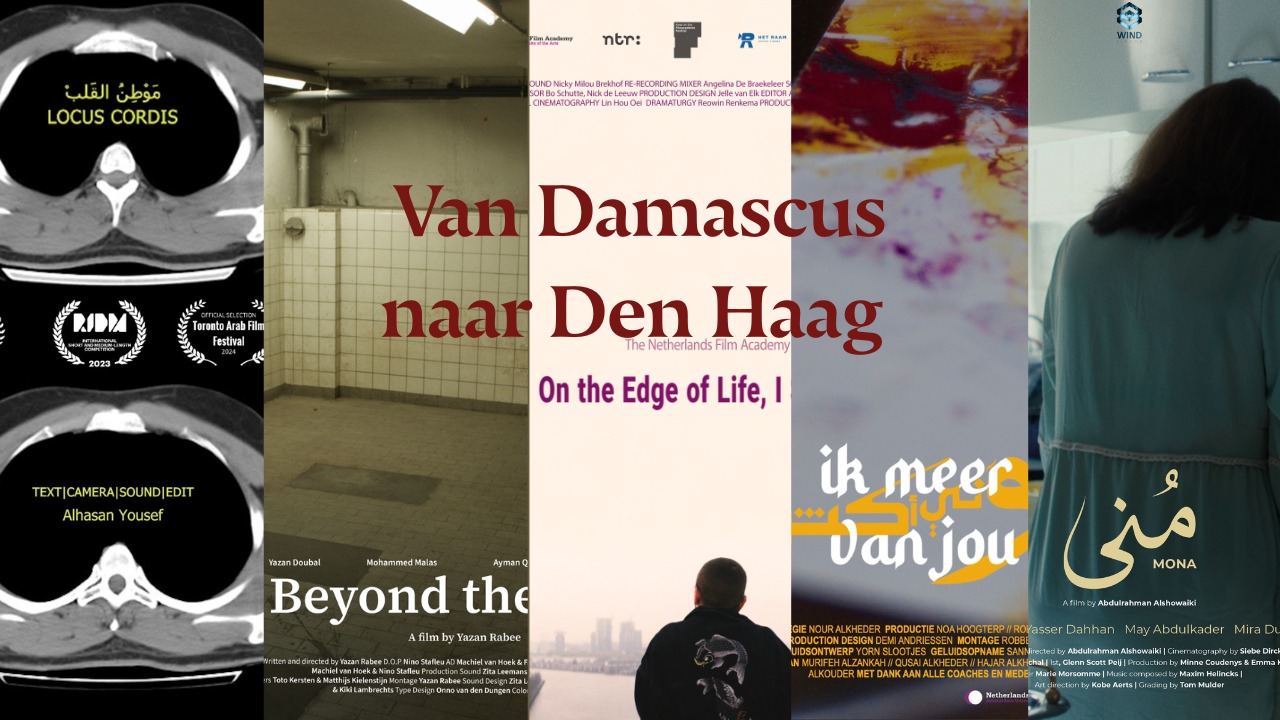
Van Damascus naar Den Haag
Tijdens Van Damascus naar Den Haag organiseren we een driedaagse workshop met Syrische kunstenaars en deelnemers met een Syrische achtergrond. Beeldende kunst, video art, muziek en schilderkunst komen samen in een gezamenlijk creatieproces.
Gedurende drie dagen werken de deelnemers samen aan één collectieve installatie rond het thema rechtvaardige transitie. Het werk wordt gevoed door poëzie, korte films en groepsgesprekken. Deze momenten van uitwisseling en reflectie vormen de inspiratiebron voor de artistieke ontwikkeling van de installatie.
De workshop biedt ruimte voor ontmoeting, verbeelding en gedeelde verhalen. Kunst wordt hier gebruikt als middel om ervaringen te delen, vragen te stellen en samen na te denken over toekomst, herinnering en rechtvaardigheid.

Op 8 maart wordt de gezamenlijke installatie gepresenteerd aan het publiek. Na de iftar, om 19.00 uur, openen we de expositie met live muziek en optredens. Het resultaat is een moment van samenzijn, waarin kunst, cultuur en dialoog samenkomen.


During “From Damascus to The Hague,” we are organizing a three-day workshop with Syrian artists and participants with a Syrian background. Visual art, video art, music, and painting will come together in a collaborative creative process.

Over these three days, the participants will collaborate on a single collective installation around the theme of just transition. The work will be informed by poetry, short films, and group discussions. These moments of exchange and reflection will inspire the installation’s artistic development.

The workshop offers a space for encounters, imagination, and shared stories. Art will be used as a means to share experiences, ask questions, and reflect together on the future, memory, and justice.

The collaborative installation will be presented to the public on March 8th. After the iftar, at 7:00 PM, we will open the exhibition with live music and performances. The result is a moment of togetherness, where art, culture, and dialogue converge.

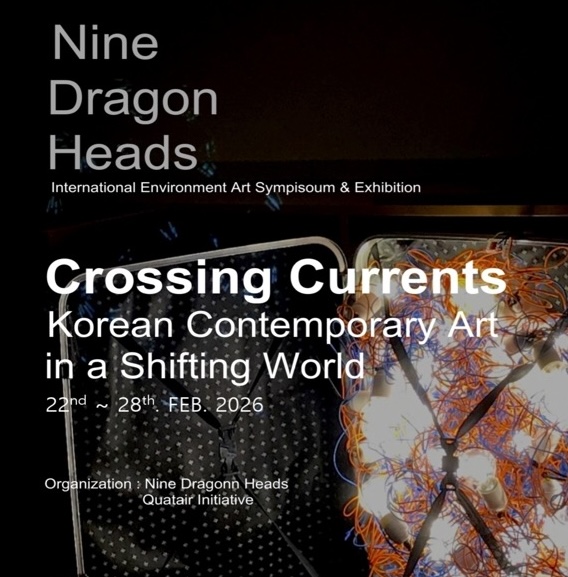
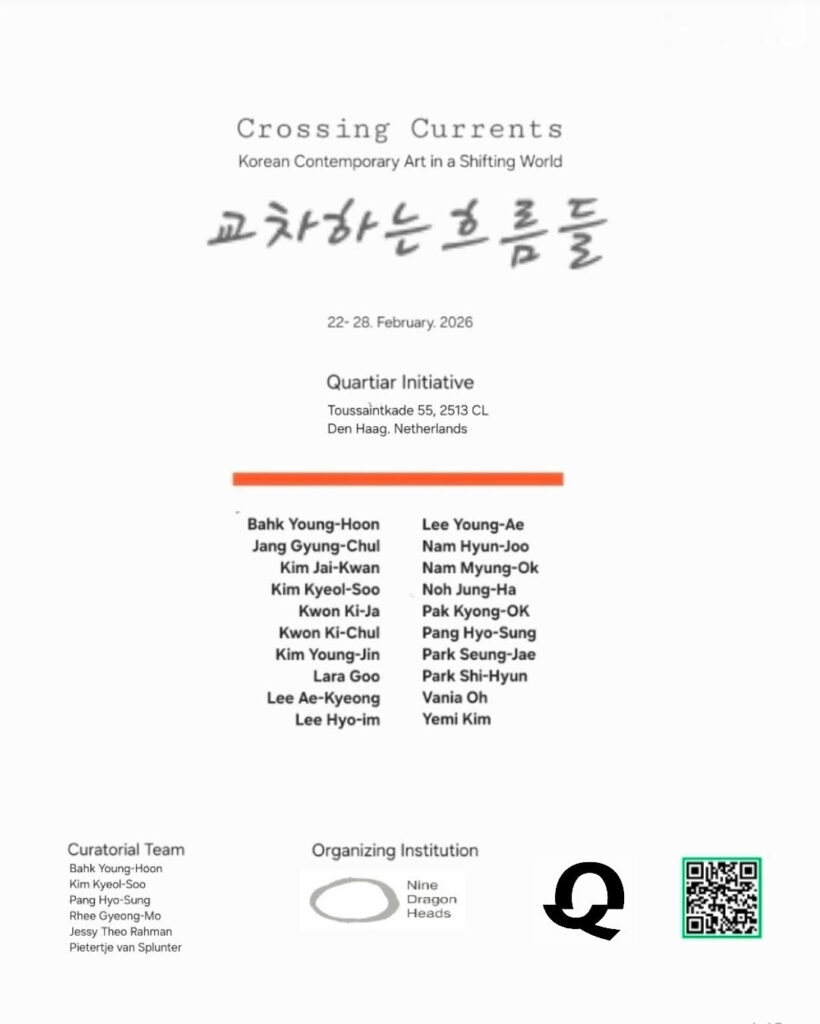
Nine Dragon Heads | Crossing Currents

Exhibition 22-28 Feb 2026

Opening Sunday, Feb 22nd
15:00 opening with performances

Presentations Monday, Feb 23rd
15:00 Lecture by critic Rhee Gyeong-Mo
16:00 Artists talks

Exhibition hours: Thursday through Saturday, 13:00-17:00

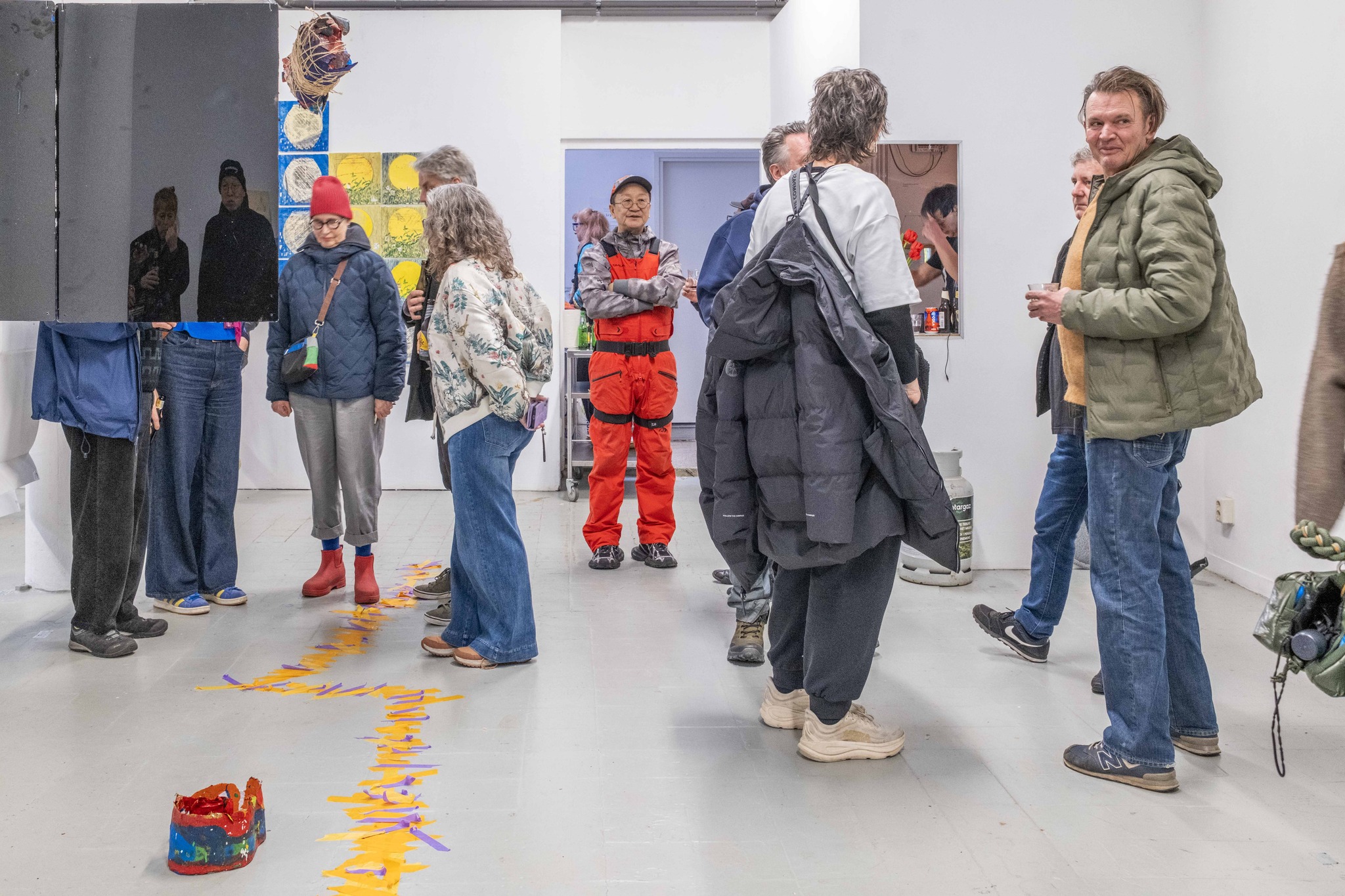
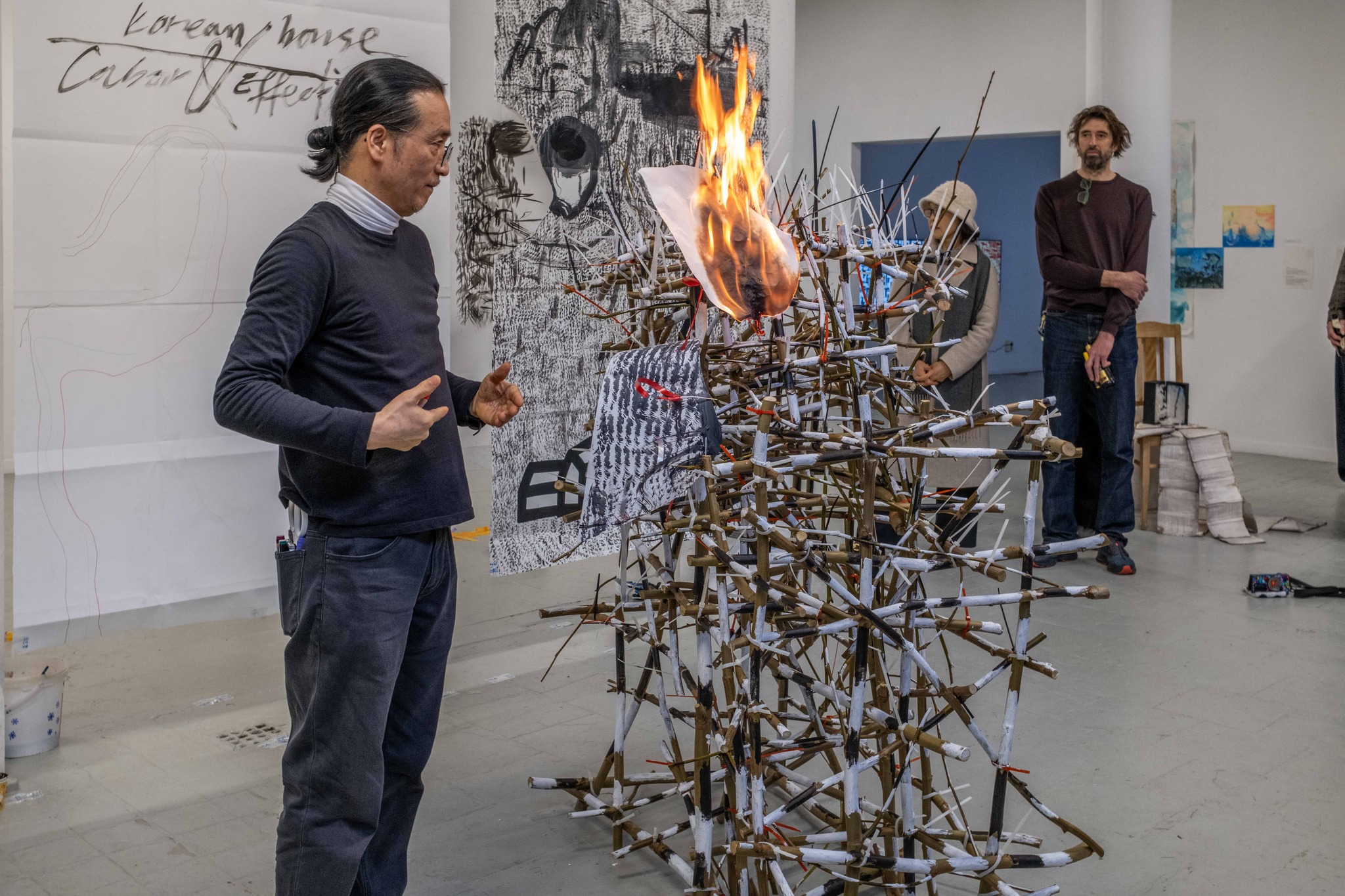
Crossing Currents presents a dynamic survey of Korean contemporary art that reflects the country’s rapid cultural transformations and its expanding role in global artistic discourse.
Bringing together artists whose practices span from installation, performance, video, photography, to post-material experimentation, the exhibition explores how Korean artists navigate themes of identity, mobility, ecology, and technological change while engaging in dialogue with European and global contexts.
Nine Dragon Heads is a Korean contemporary art nomadic platform cooperating with Quartair for over 15 years.


The exhibition positions Korea not as a remote cultural sphere but as an active participant in the transnational flow of ideas—resonating strongly with Quartair’s long-standing interest in international exchange as an experimental artistic practice.

Participating artists:
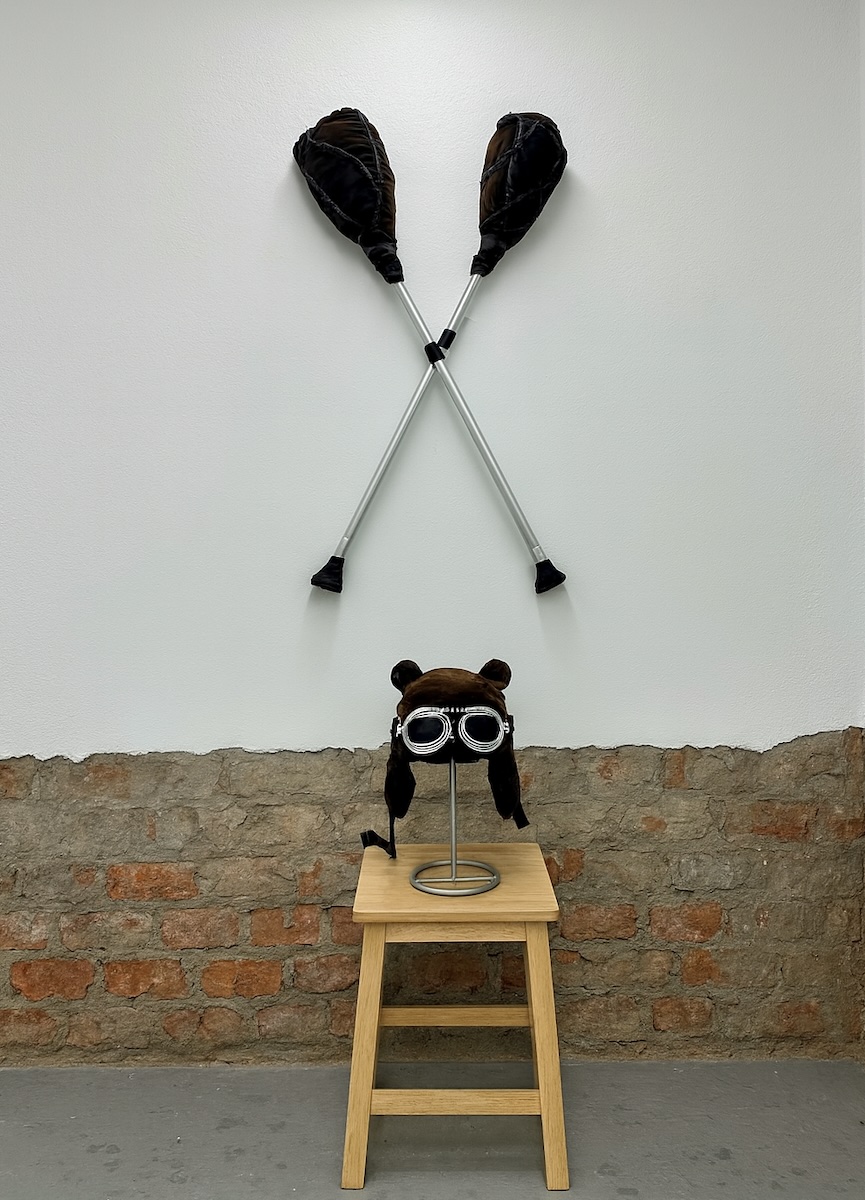
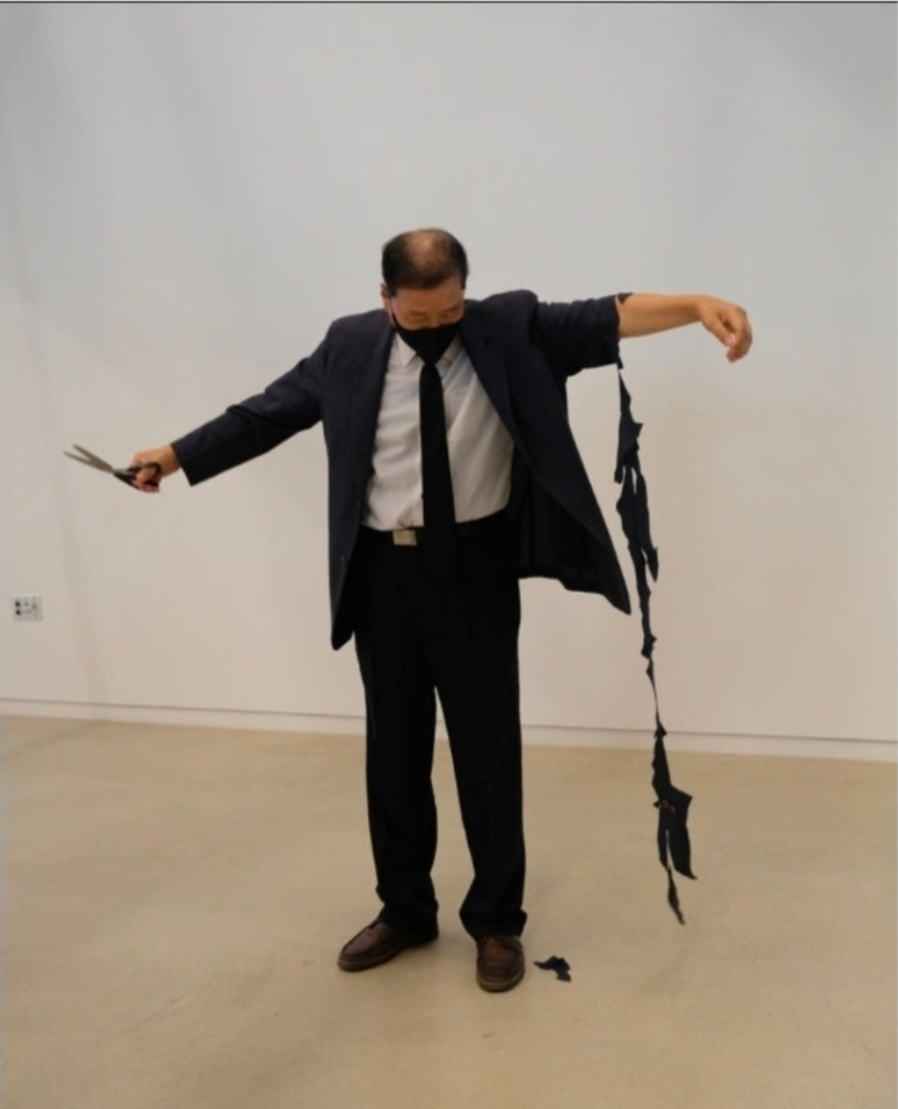
Pang Hyo-Sung (performance), Jang Gyeong-Churl (photo), Lee Hyo-im (panting), Lee Ae-Kyeong (painting), Vania Oh (object), Kim Young-Jin (Video), Kim Kyeol-Soo (installation), Kwon Ki-Ja (object), Kwon Ki-Chul (drawing), Pak Kyong-OK (painting), Park Si-Hyun (installation), Bahk Young-Hoon (video), Noh Jung-Ha (Video) Ran Hwang (object), Lee Young-Ae (drawing), Park Seung-Jae (painting), Lara Goo (object), Yemi Kim (animation), Nam Myung-Ok (video), Nam Hyun-Joo (painting).


This event is supported by AAW (Asian Artworks) and MOON Gallery 101.


The Environmental Art Symposium Nine Dragon Heads was initiated in South Korea by Park, Byoung-Uk in response to the destruction of an important historical site in 1995, and has evolved from the specific eco-political motivation into an open, interdisciplinary nomadic platform where an association of artists from around the world implement individual and collaborative art projects related to humanitarian, political, environmental and cultural issues.

The origins of Nine Dragon Heads are part of a distinct continuum of artistic development in Korea, beginning in the 1980s and 90s with a small group of artists (contemporaries of Park) who wanted to consider artistic and philosophical problems outside of traditional Korean art forms and who were motivated to remain under the radar of the military regime and government control in place at that time. In that political environment a significant thread of South Korea’s contemporary art development took place in off-site projects, held within rural mountainous areas and remote natural sites.

During thirty years of activity Nine Dragon Heads has evolved out of its specific locality and historical background to investigate a broader range of transitional environmental, economic and political situations. A further important step for Nine Dragon Heads began in 2006 when it became actively nomadic. It was a natural progression for the project to begin to engage with other specific localities and their eco-political histories by traveling.

Working in locations with transitional characteristics that may be environmentally, economically and/or politically troubled, on important cultural, historical and geopolitical routes has become a particular feature of working within Nine Dragon Heads. It is noteworthy that Nine Dragon Heads is an inherently flexible model capable of responding perceptively and with focused spontaneity to the inevitably unexpected contextual conditions which occur within the immediate surroundings of each location the group is engaging with artistically.

Nine Dragon Heads has worked on locations throughout the South Korean Peninsula and its islands, including the Demilitarized Zone (DMZ) and Joint Security Area (JSA) between the North and South of Korea. Other areas recently engaged include Bosnia/Herzegovina, the South Caucasus; Georgia, and Central Asian locations; Uzbekistan, Turkey, China, Tibet and Mongolia. Past projects have also taken place in Switzerland, Australia, New Zealand and Brazil.

Read more on: www.9dragonheads.com

Kenya: a story of resistance & revolution

Join us this Saturday, 6 December, for an afternoon centering Kenyan artists and Kenyan struggle, with an online presentation by Minoo Kyaa, Antony Adhiambo, and Davis Tafari from The Travelling Theatre, plus lino-prints, DJ sets and a fleamarket.

The Travelling Theatre is an initiative incorporating various kinds of art; performing arts, street theatre and public outreaches in promotion of mass education in the quest for social justice in Kenya. It involves a cadreship of trained social justice organizers from different social movements and progressive formations. In this regard, the Social Justice Travelling Theater, inspired by the works of Fanon on the pedagogical method of reaching the masses, galvanised by Paulo Freire’s pedagogy of the oppressed and the intellectual role of the theatre of the oppressed is a towering arm in both internal study and mass work within the framework of the Kimathi Political School.

This benefit event brings forth stories of resistance and revolution told through a variety of creative practices, from street art to theatre. A one-day exhibition including DJ sets, a bake-sale, and a lino-printing workshop. All proceeds go to the construction of the Kimathi Political School, in Laikipia County, about 180 km from Nairobi City.

Saturday, December 6, from 12:00 to 19:30 at Quartair.
Organized by AIN NL.

Other Photographic Matters

Exhibition 21 – 30 November 2025
Exhibition hours Friday – Sunday, 13:00 – 17:00

Opening/ArtistTalk Saturday 22 November at 15:00
Hoogtij #83 Friday 28 November, 19:00 – 23:00

Other Photographic Matters operates at the intersection of photography and visual art.

Participating artists: Birgit Matschullat, Els Kocken, Godelieve Krekelberg, Jasmijn Duterloo, Jessica Scholtes, and Mariëlle Gebben.

All members graduated from the Fotoacademie/Photo Academy of Amsterdam and went on to establish themselves as independent artists. Within the group, photography takes on different roles: for some it is the starting point for explorations that lead to sculptures, installations, videos, works on paper, or interactive pieces; for others it is the final outcome of a process that engages multiple media. What unites them is a shared curiosity, a willingness to experiment, and a commitment to moving beyond the boundaries of photography.

ESC 2034 (III): Roaring Into Being

installation by Johannes Thiel

Exhibition from 18 October – 1 November, 2025
Opening Saturday, October 18th at 16:00
Exhibition hours Wednesday–Saturday, 13:00–17:00

Roaring Into Being is an exhibition by 0—1.gallery, a nomadic contemporary art platform existing since 2017. This is the third and concluding exhibition in their series ESC 2034.

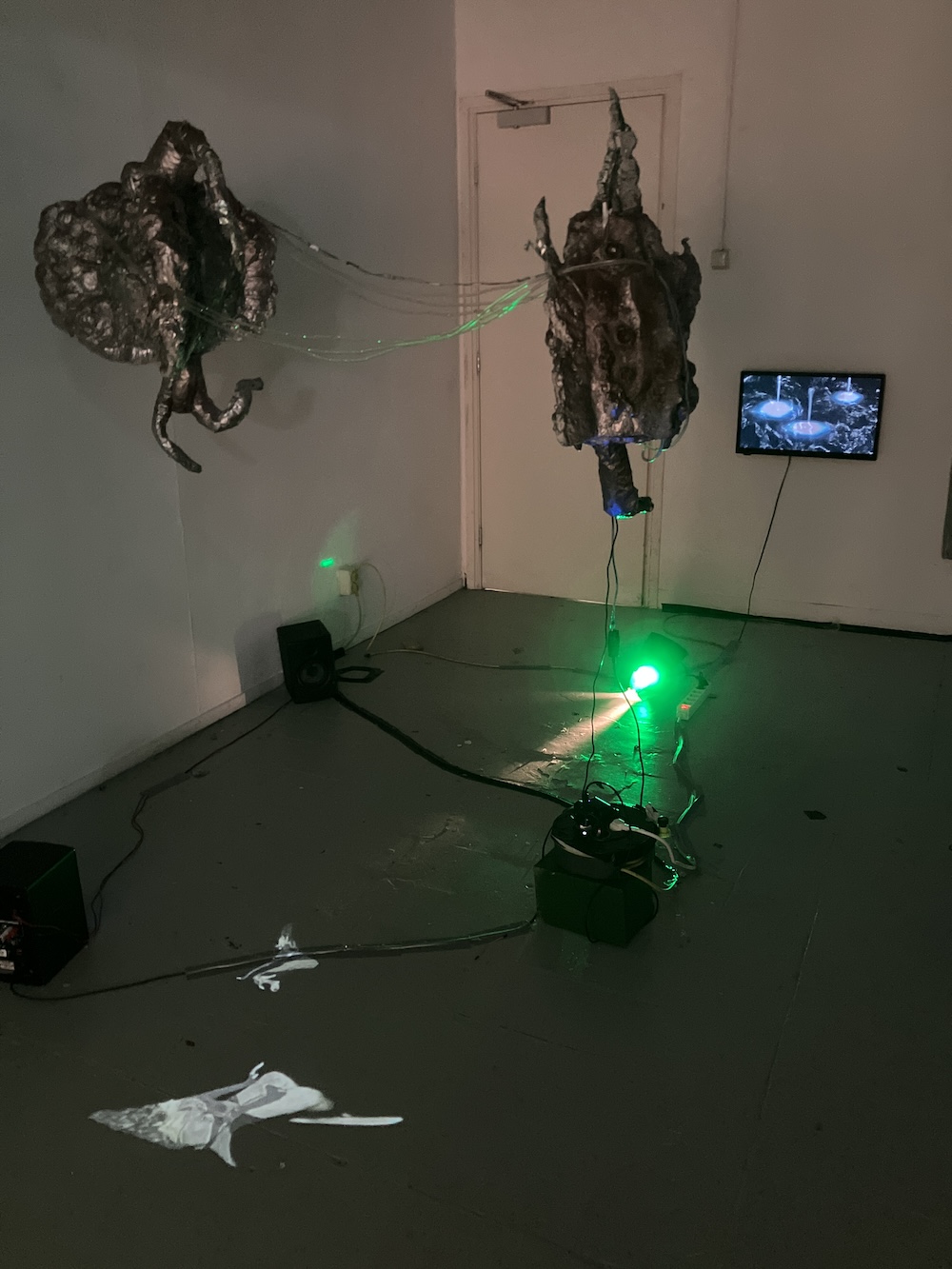
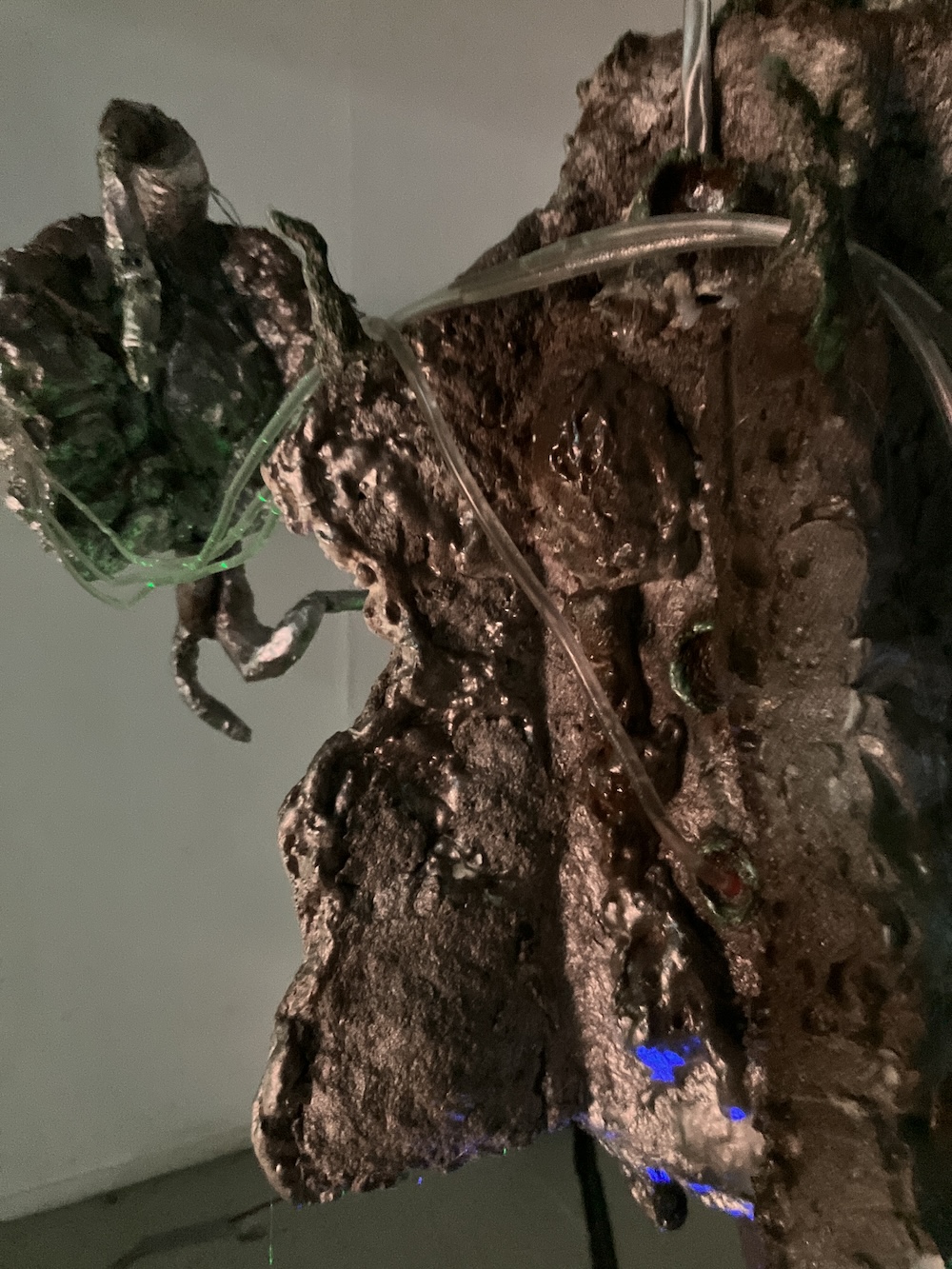
Roaring Into Being looks at the convergence of the synthetic and the organic. The exhibition moves between the rumble of machines, the resonance of nature, and the shifting terrains of digital evolution. Each work reflects on humanity’s changing relationship with technology — its imprint on the environment, the body, and ways of seeing. Some works treat ecology as metaphor, others as method — erasing the divide, questioning interdependence, and tracing the fragile systems we inhabit.

With works by: Andrea Samory, Chang Hsin Yu, David Bowen, Egosito, Johannes Thiel, Lotta Stöver, Maxime Lechêne, Sophia Gatzkan

Across the exhibition, technology appears not as future, but as a condition — embedded, felt, and already altering what it means to be physical, connected, or alive.

Concluding a conceptual trilogy, Roaring Into Being marks the final phase of ESC 2034 evolving study into digital futures, tracing a trajectory from subtle machine-nature interactions to a world shaped almost entirely by technology.

About 0—1.gallery
0—1.gallery is a contemporary nomadic curatorial platform that moves how it needs to — tech-aware, a bit restless, and always asking why. Since 2017, it has been shaped by artists who keep things in motion — not there for fixed ideas of what art is supposed to be. No walls, no permanent fixtures, stubborn curiosity, and the need to say something that matters.

Read more on: 0-1.gallery/exhibitions/esc-2034-roaring-into-being

work by Andrea Samory

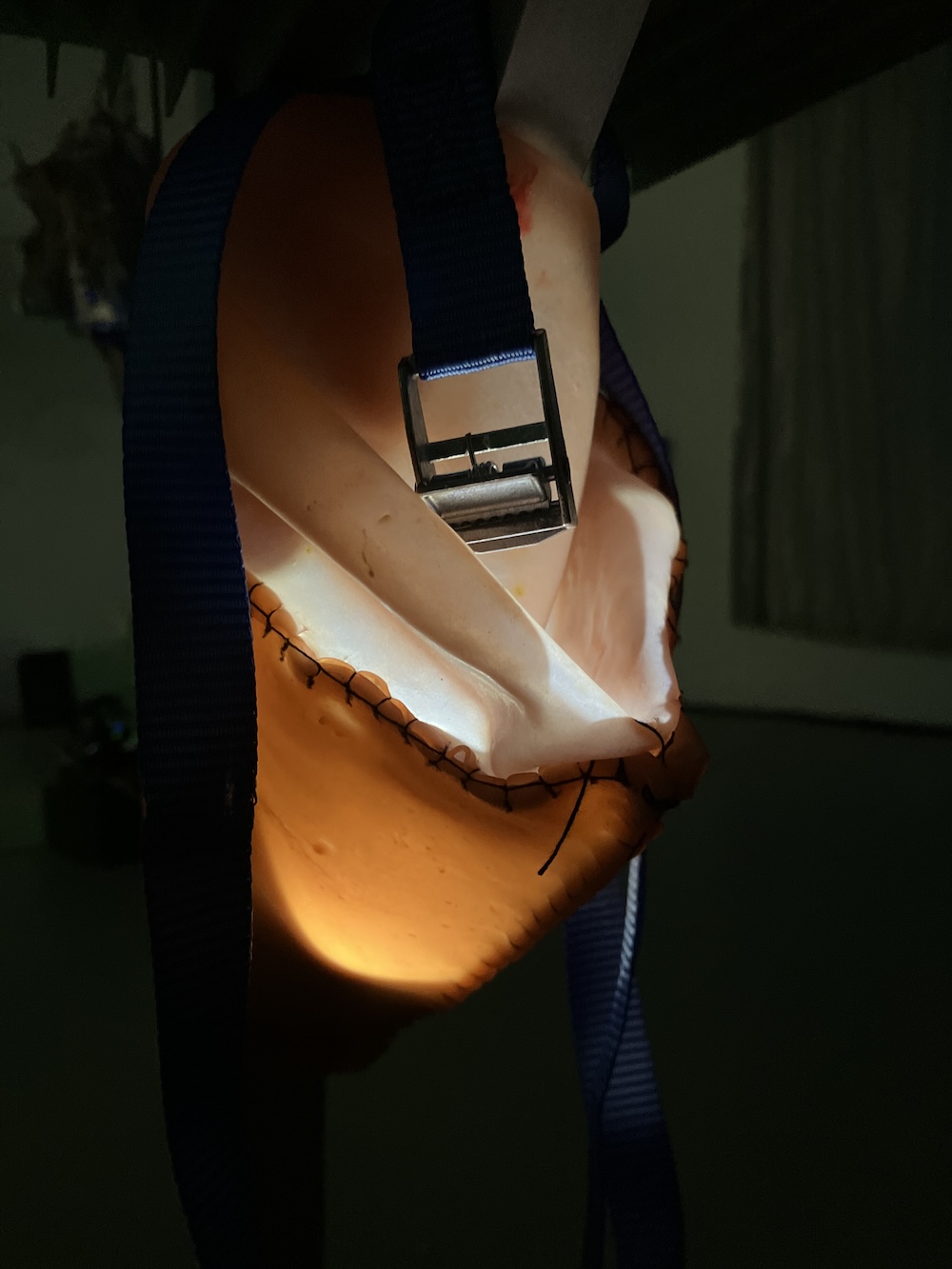
The works trace how technology settles into matter, gesture, and atmosphere. Andrea Samory turns screen-born imagery into sculpted bodies with faint echoes of myth; David Bowen builds instruments that let natural signals steer machines; Egosito tunes friction and timing into mechanical rhythm; Sophia Gatzkan looks at bodies shaped by support structures and prosthetic cues; Maxime Lechêne studies components that follow use and airflow; Johannes Thiel constructs soft systems that move like tools learning to behave; Lotta Stöver works through sensors and small circuits to study how data frames attention; and Chang Hsin Yu translates motion and environment into sound, letting space compose itself. Together, these practices outline a world where digital and physical processes shape one another at close range. – 0—1.gallery

Chang Hsin Yu

Pi Quartet: contemporary music concert at Quartair

On Sunday, June 1st, Quartair receives Pi Quartet for their debut concert.

Based in The Hague, Pi Quartet is a half-American, half-Dutch string quartet dedicated to neo-classical, contemporary, and experimental music. Composed of Leah Plave (cello), Lidwine Dam (viola), Leslee Smucker (violin), and Hoei Lien The (violin), the ensemble formed out of a shared passion for multidisciplinary performance and curiosity for music beyond the traditional canon. The name Pi, referencing the mathematical symbol π, symbolizes unity, harmony, and infinite potential as well as the quartet’s sensitivity to space and context in performance.

Program
Caroline Shaw – Entr’acte
Arvo Pärt – Summa
Philip Glass – Strijkkwartet nr. 5
Osvaldo Golijov – Tenebrae

Entrance:
Regular €22.17
Students € 13.78

Tickets on: www.eventbrite.com/e/tickets-quartets-quartair

Visit also: www.piquartet.nl

Coloured Connection: from Maya Textile to Multimedia Art

An exhibition displaying a rich collection of Mayan textiles in dialogue with installation works by Miriam L’Herminez. Curated by Marina Manger Cats

From 17 to 25 May 2025
Opening times: from Wednesday to Sunday, from 13:00-17:00
Lecture: A Tapestry of Diversity, Saturday 17th May, from 15:00 to 16:30
Poetry reading: Sunday 18th May, from 15:00 to 16:30
Hoogtij Den Haag: Friday 23 May, open until 23:00
Finissage: Sunday, 25th May at 16:00, screening documentary “Tapestries of Light, Life and Community” & discussion

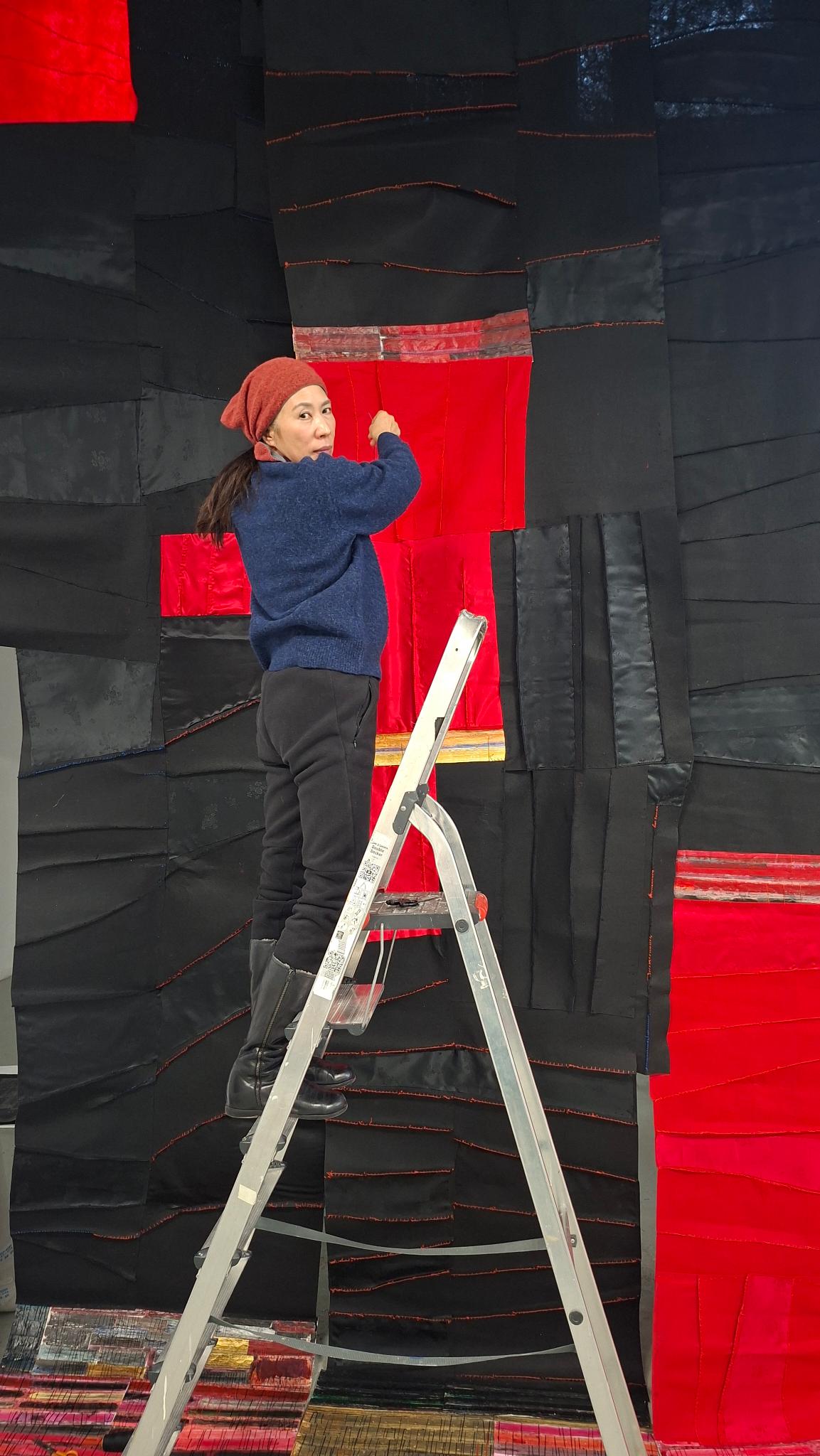
Coloured Connection juxtaposes highly colourful textiles, traditionally woven and embroidered by indigenous Guatemalan women with the contemporary approach of artist Miriam L’Herminez. The large collection on show displays the traditional blouses known as ‘Huipiles’ and other garments that were made mainly in the 1970s, 1980s and 1990s by indigenous Maya women, coming from different villages of Guatemala. The textiles, true pieces of art, bear specific colours, patterns and characters and come from private collections.

The weaving culture is passed down from mother to daughter for centuries, and forms an important part of the Maya identity, with the technique itself, as well as the patterns and symbols, that stem from pre-Columbian times and Mayan mythology. Here, the Maya’s cosmovision plays an important role, whereby humans are not central to the world, but are part of the nature around them. Maya weaving was also a kind of hidden language and cultural expression, where values and identity could be preserved despite oppression by the Spanish conquistadores and destruction of ancient Maya books and other cultural expressions. Maya weaving is now suffering under the influence of globalisation, commerce and machine reproduction, with special weaving knowledge and its own culture and values being lost.

The extraordinary Guatemalan Maya weaving inspired Dutch multimedia artist Miriam L’Herminez to create works using textiles and other materials, with an eye for the special, Guatemalan indigenous culture and identity. In doing so, she seeks a connection between our culture and that of the Maya, exploring the fragility of people, culture and materials in a special way. She embraces the universal, the human, without giving it a precise face.


About the artist
Miriam L’Herminez is a visual artist, trained as a doctor. She draws inspiration from themes such as diversity, connection and people-to-people conversation. An important source for her work is a 15-year stay as a doctor in Malawi, Zimbabwe and Tanzania. During her work, she was touched by barriers that can emerge unintentionally within human interactions. Cultural differences, language and emotional codes sometimes prove unbridgeable. Where do we find each other through the differences?
L’Herminez takes the colourful Mayan textiles to explore forms of connection across cultures and celebrate diversity. Visit: www.lherminez.com


Lecture: Guatemala, A Tapestry of Diversity

On Saturday, 17 May, Maria Veronica Sajbin, advisor to INGUAT on Indigenous Populations, spoke about the richness of Guatemala’s weaving cultures. This lecture was made possible through the collaboration with INGUAT, the Guatemalan Institute of Tourism and with simultaneous translation by Valeria Guzman.


Poetry reading

On Sunday, 18 May, we received Mirjam Musch reciting poems from her own work and from Guatemalan poets (in Spanish and Dutch). Guatemalan guest speakers recited poems by Guatemalan Maya women (in Spanish, Kaqchikel and English) including poems by Rosa Chavez, Negma Coy, Irma Nimatuj, and Javier Payeras.

Mirjam Musch is a Dutch writer and poet who worked in Guatemala. Migration, resilience, and the possibility of finding beauty and connection in the midst of disruption are central themes of her work. Her Poetry collections are Bloedlijn ; Voces entre dos orillas-Stemmen tussen twee oevers ; Encuentros – Gedichten op reis; Steggy y el Meteorito.. Visit also: www.mirjammusch.com

Negma Coy is a Kaqchikel Mayan artist. She works in the community to ensure the art and knowledge of the Maya communities continue to flourish. She is a writer and poet, painter, backstrap-loom weaving instructor, and cultural promoter. Books she has published include: XXXK’, I Am an Owl, Canvases of Inheritance, On the Shores of Fire, Tz’ula’ – Guardians of the Roads, and the Kikotem Collection – Kaqchikel Stories, Tales, and Poetry.


Finissage 25 May: film screening at 16:00
Tapestries of Light, Life, and Community in Guatemala

The film weaves together the stories of women who have led legislative initiatives, shaped national policies, fought for human rights, built collective movements, and created spaces for art and activism—all in the pursuit of peace, justice, freedom, and a life without fear. Their journeys reveal that the strength of their communities has been the key to their transformation. The screening was followed by a short discussion.

For those who missed it, but are interested in the documentary, watch here: www.nobelwomensinitiative.org


Photos by Carel de Groot

About the curator
Marina Manger Cats grew up in Guatemala and worked there later as a doctor at community level. She and her mother collected ‘huipiles’ and other textiles over the years. Marina brought together artworks from other private collections to give a broad picture of Guatemalan weaving art in this exhibition. She comments that often people visiting Guatemala, whilst touring the ‘hotspots for tourists’, hardly have time for, nor are introduced to the many aspects of Mayan culture. They may see women in Mayan clothing on the streets, but they miss the crucial role of women in weaving, with their incredible creativity and mathematical skills, learned at an early age, with a lot of counting and puzzling involved. The tourists are often not aware of the deep meaning, cultural identity and heritage that lies behind the weaving designs, nor the social functions of the weaving itself.

Although the huipiles are sold at affordable prices to tourists, it may take months of work to make just one. Weaving not only contributes to the family income but also contributes to mental health, due to the meditative focus required in the process, weavers tell us. Therefore, Manger Cats hopes to strike the public’s curiosity and enthusiasm about the beauty, complexity, and background of textile work and its meanings: the heritage of Mayan culture, the link to Mayan mythology of the designs, and the role of this textile production in guarding Mayan identity and cosmovision in today’s globalized world.


Donations and income from the sale of L’Herminez’ artworks and postcards benefit weaving schools for girls and young women (through the Guatemalan organisation AFEDES/MNT) to preserve Maya weaving as cultural heritage.


Supported by the Embassy of Guatemala and Instituto Guatemalteco de Turismo (INGUAT).