Van 13 t/m 29 maart 2026
Opening: vrijdag, 13 maart 2026, van 17.00 tot 23.00 uur (Hoogtij)
Openingstijden: donderdag t/m zondag van 13.00-17.00 uur
Finissage & kunstenaarsgesprek: zondag, 29 maart 2026, 14.00–16.00 uur
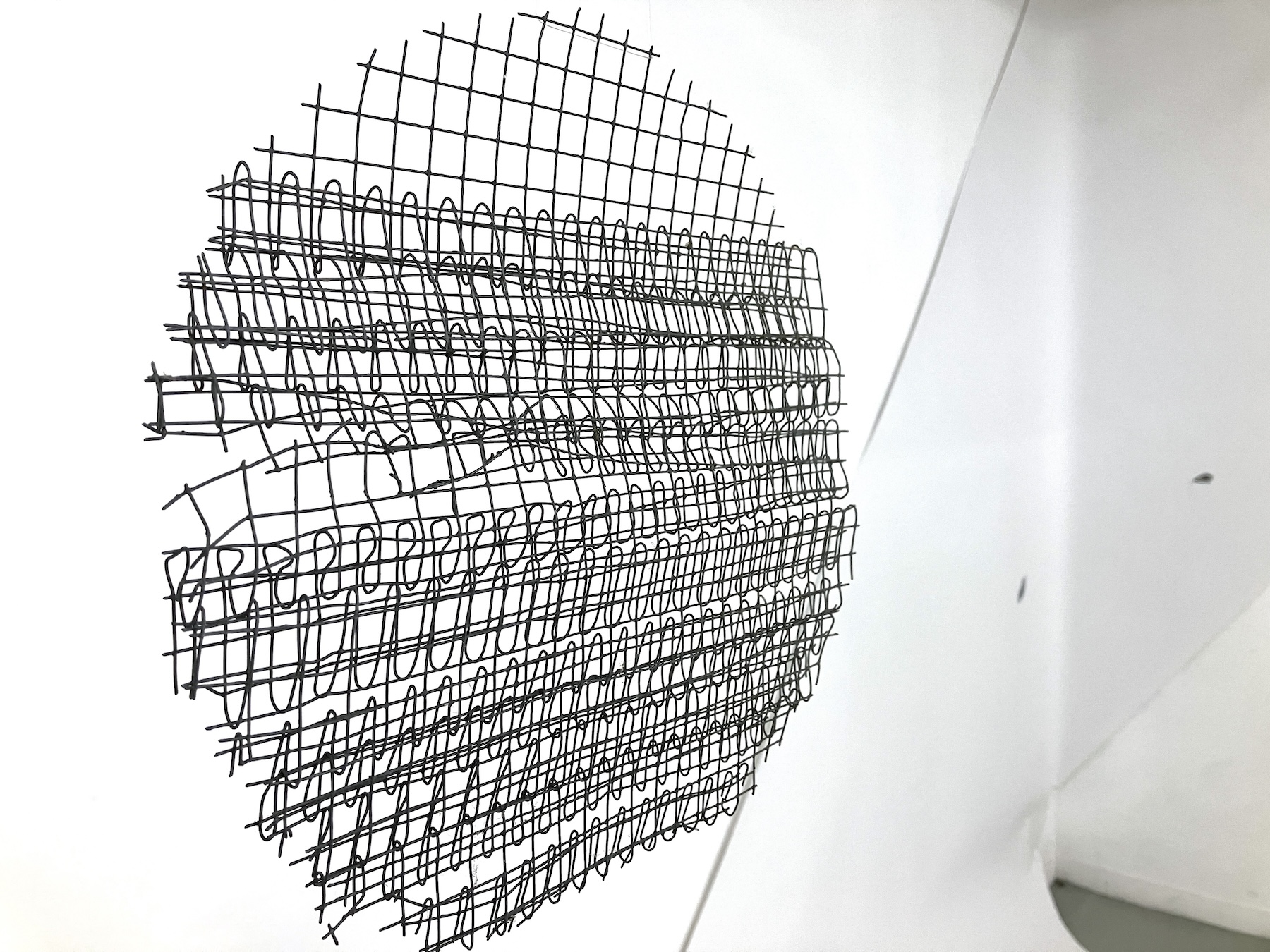
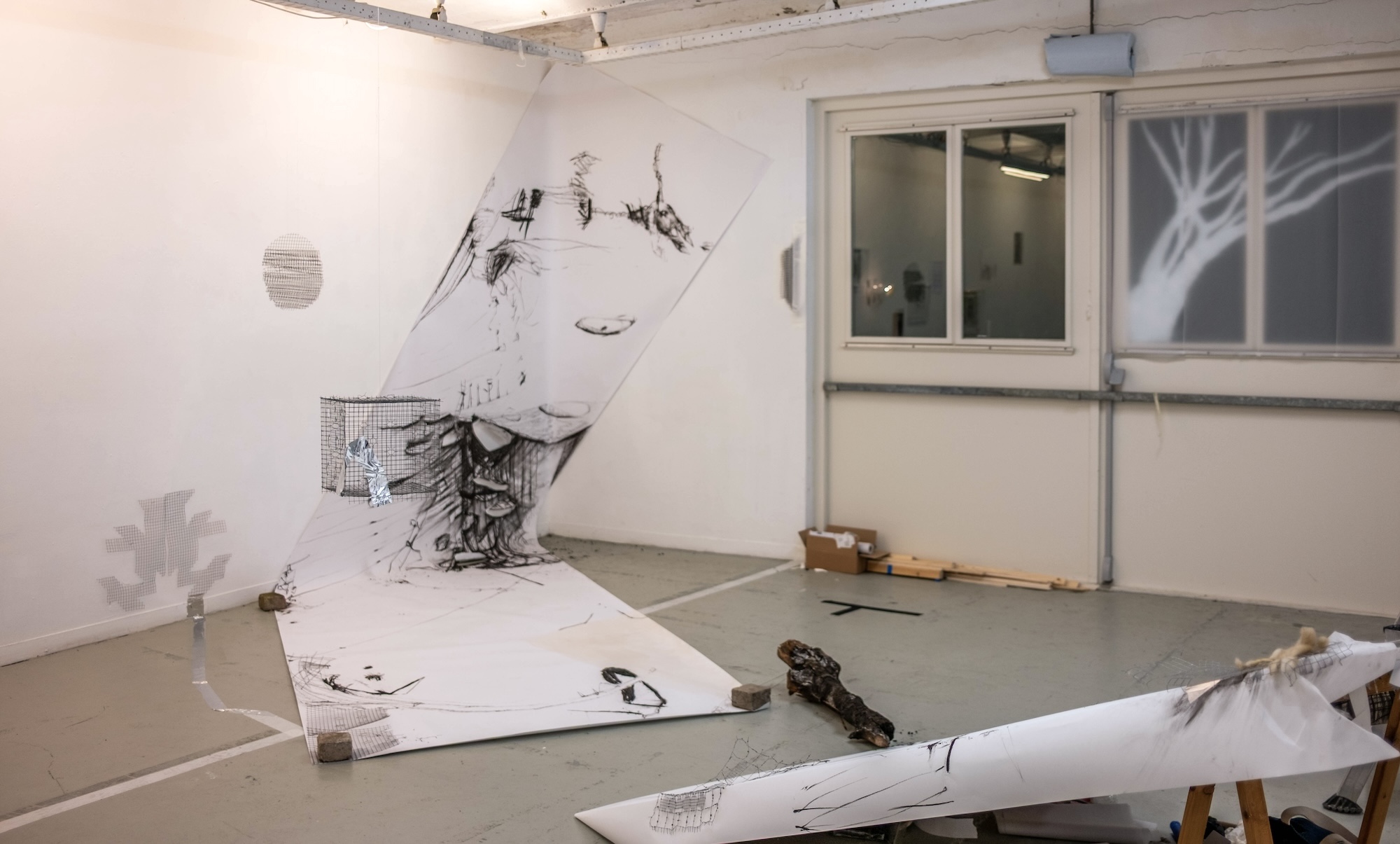
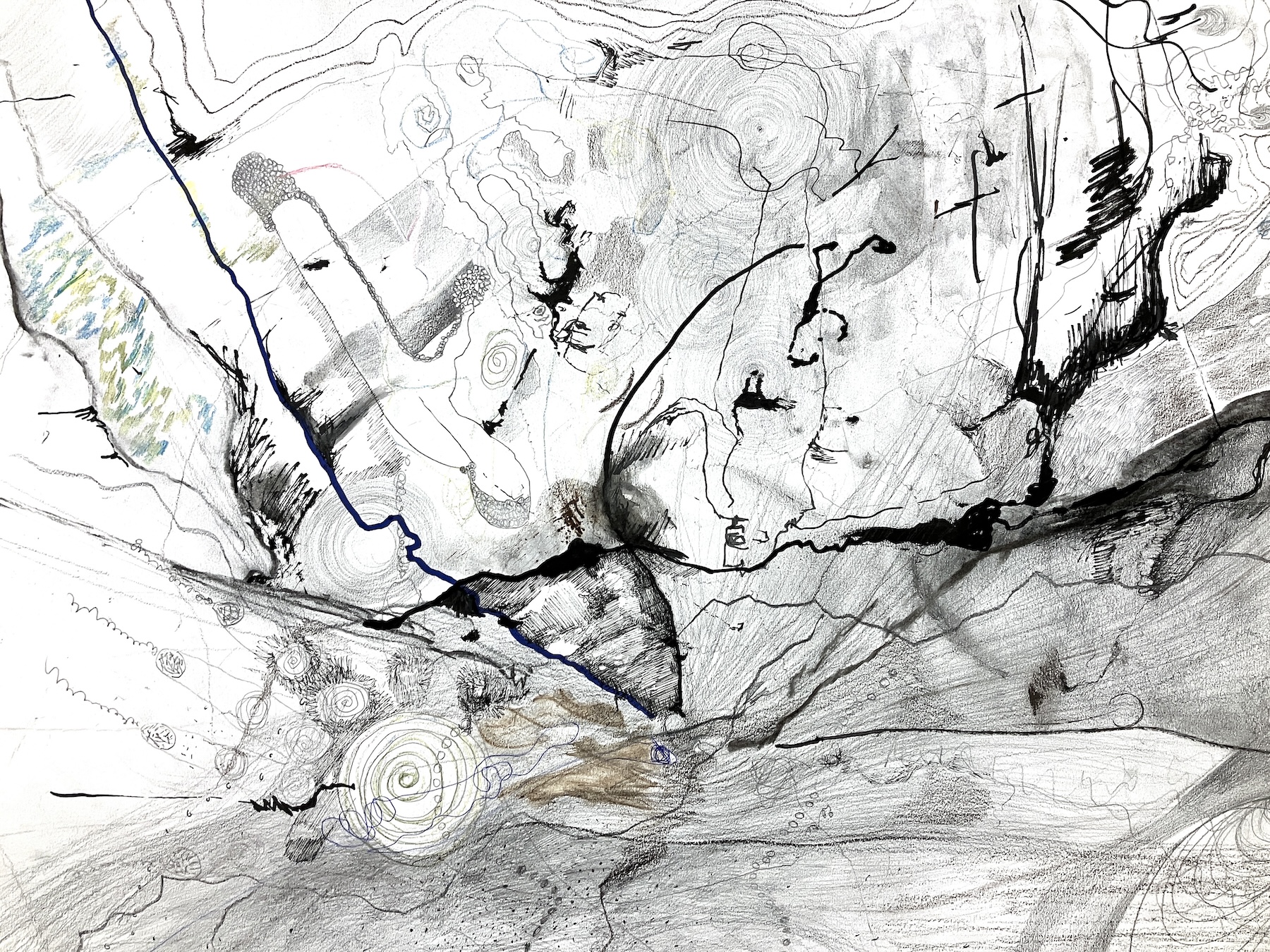
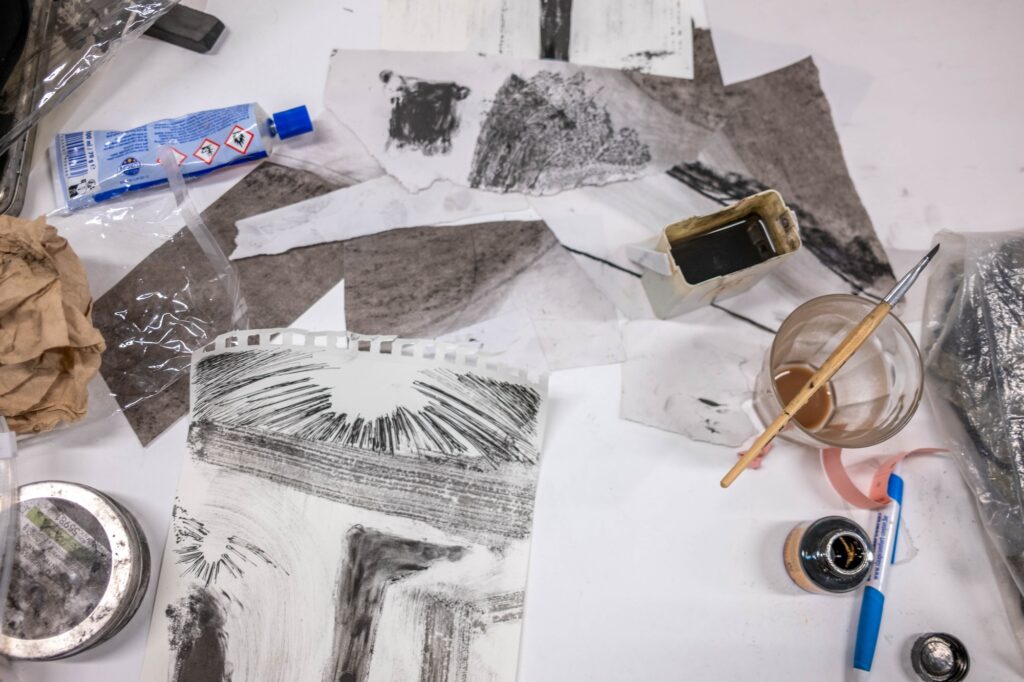
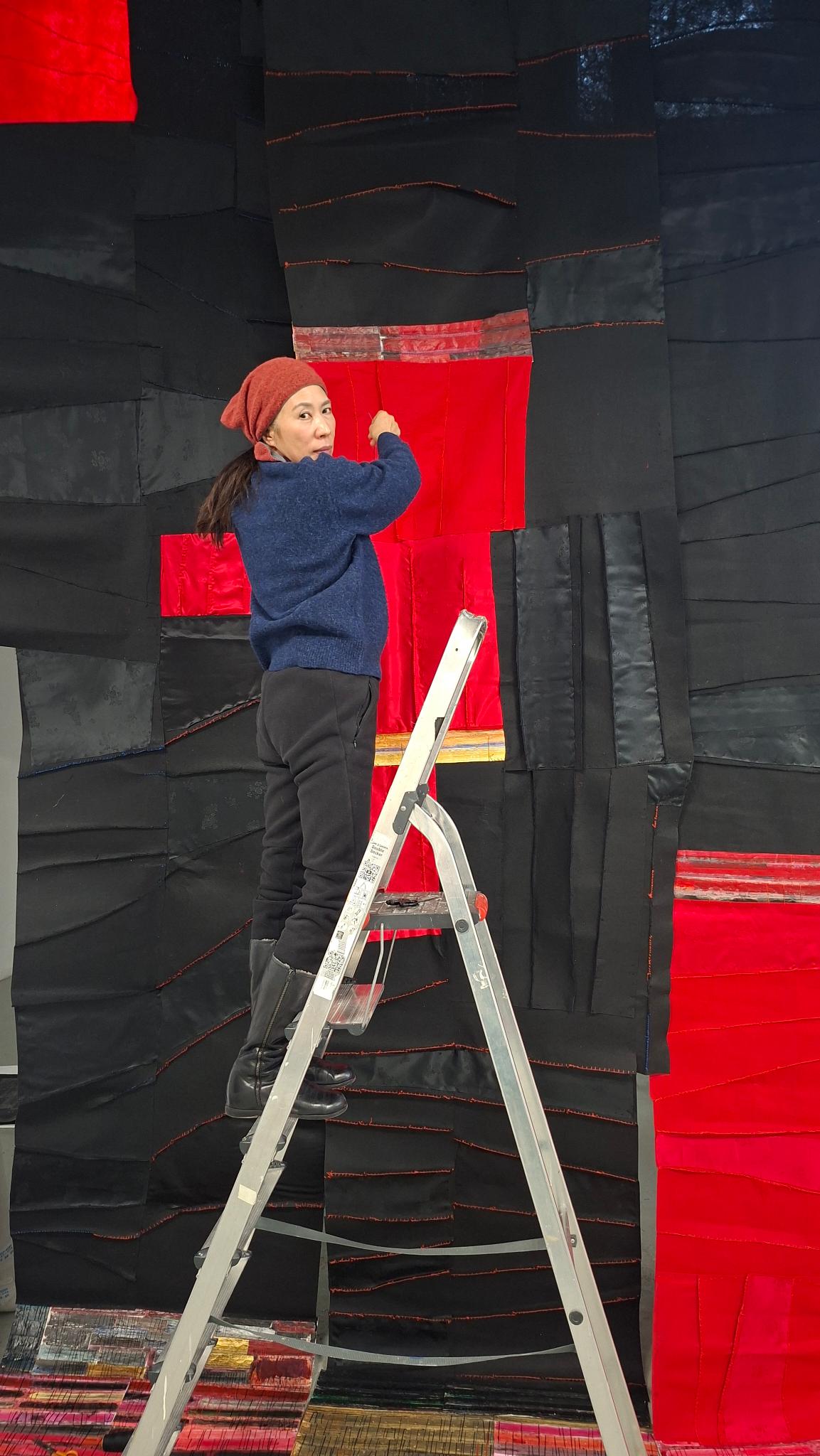
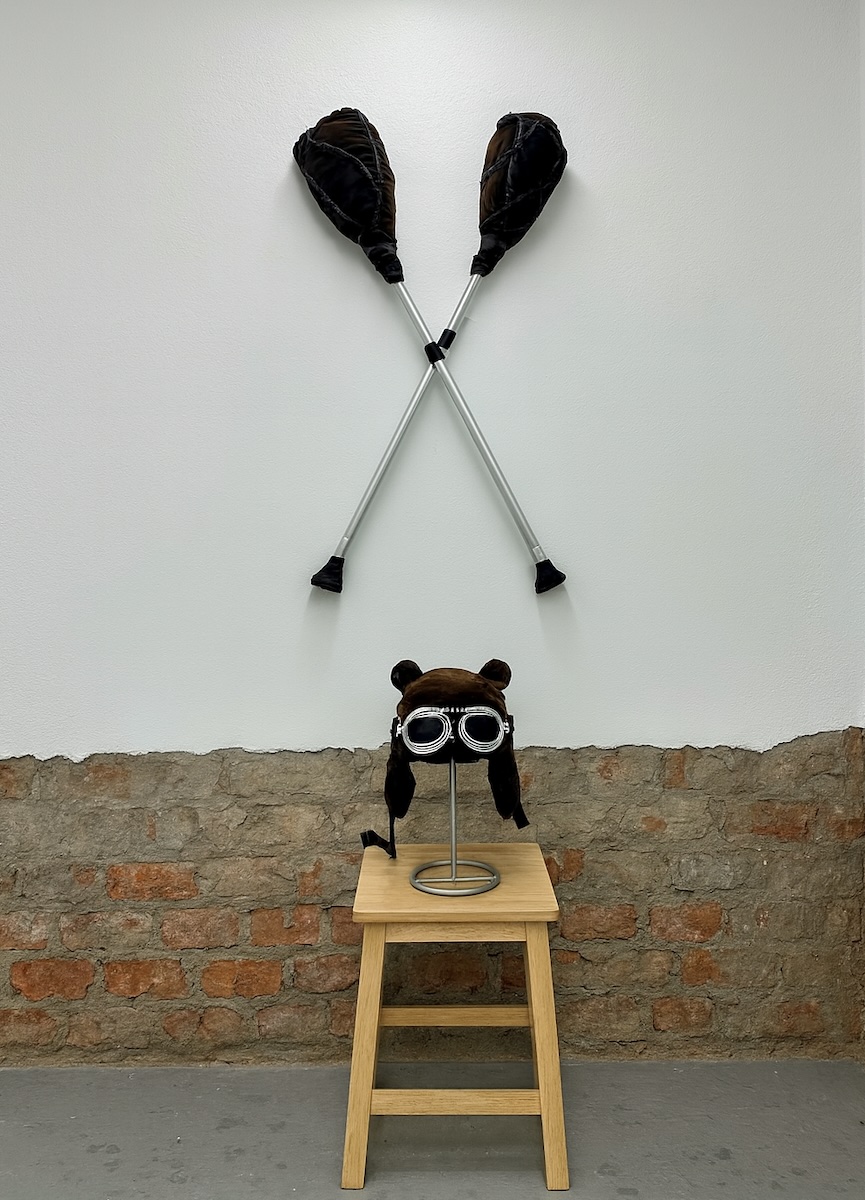
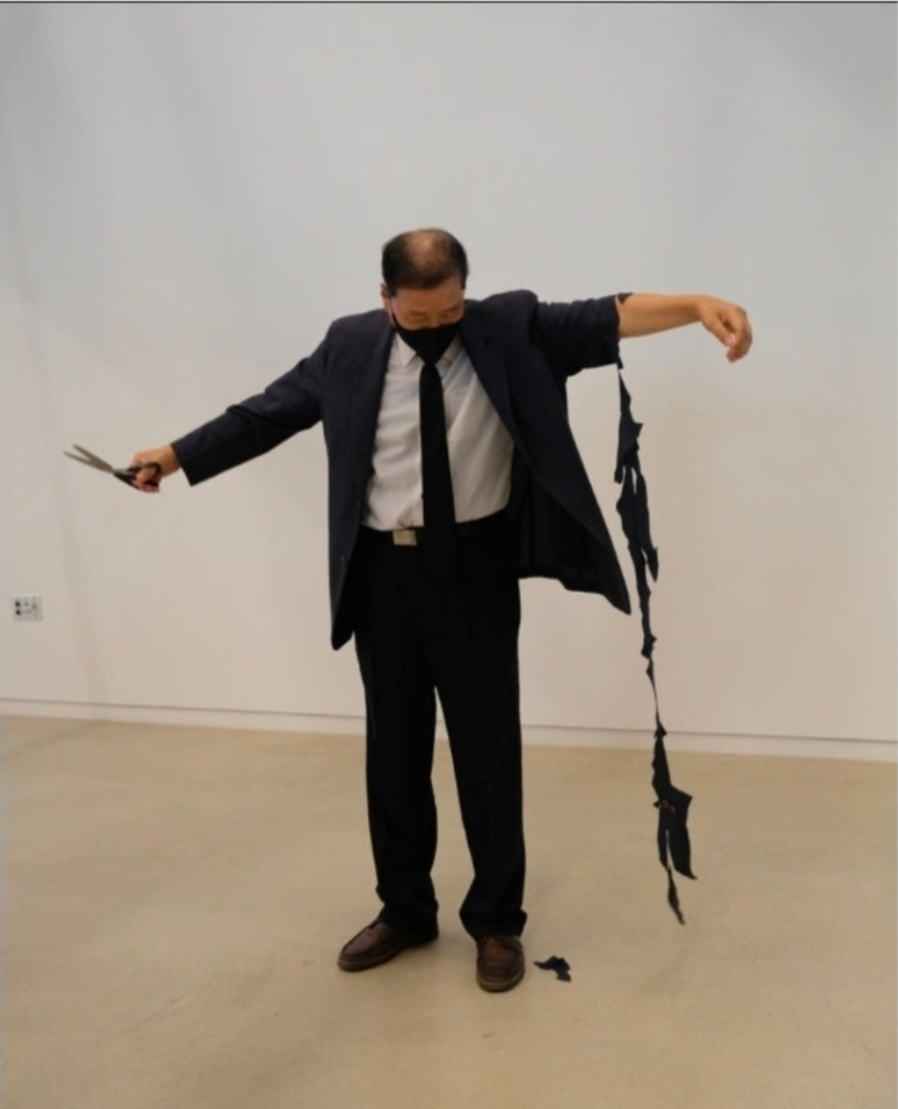
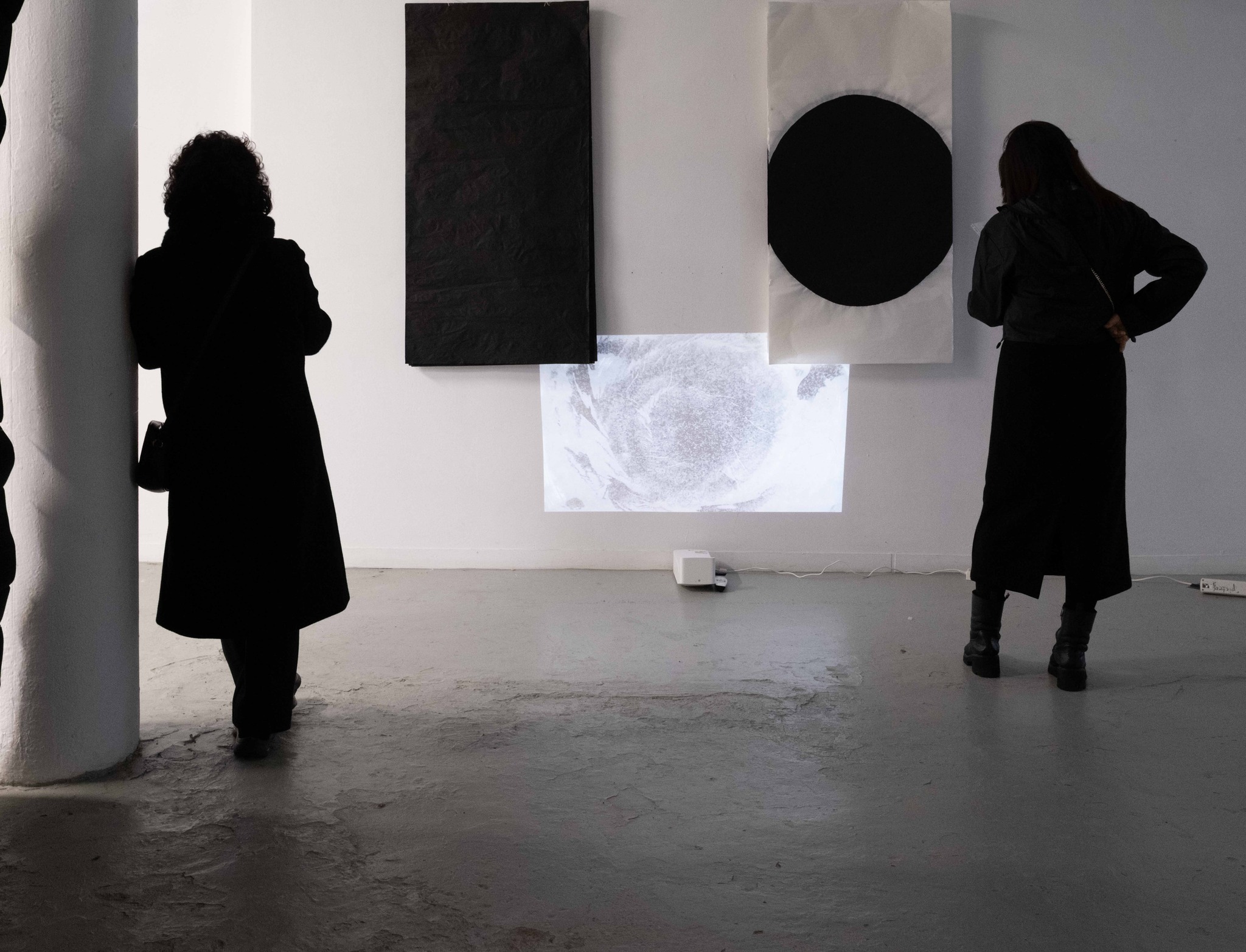
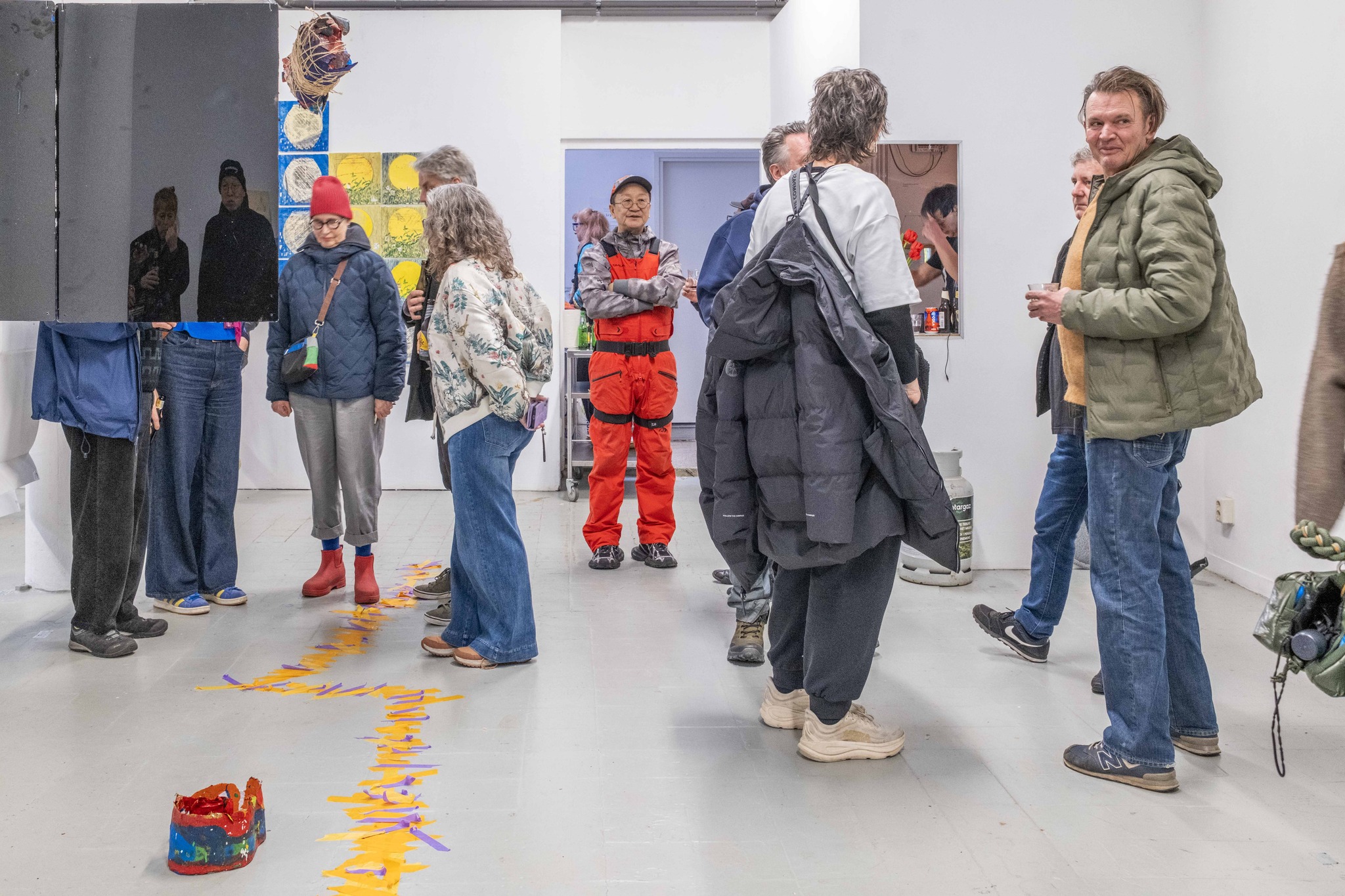
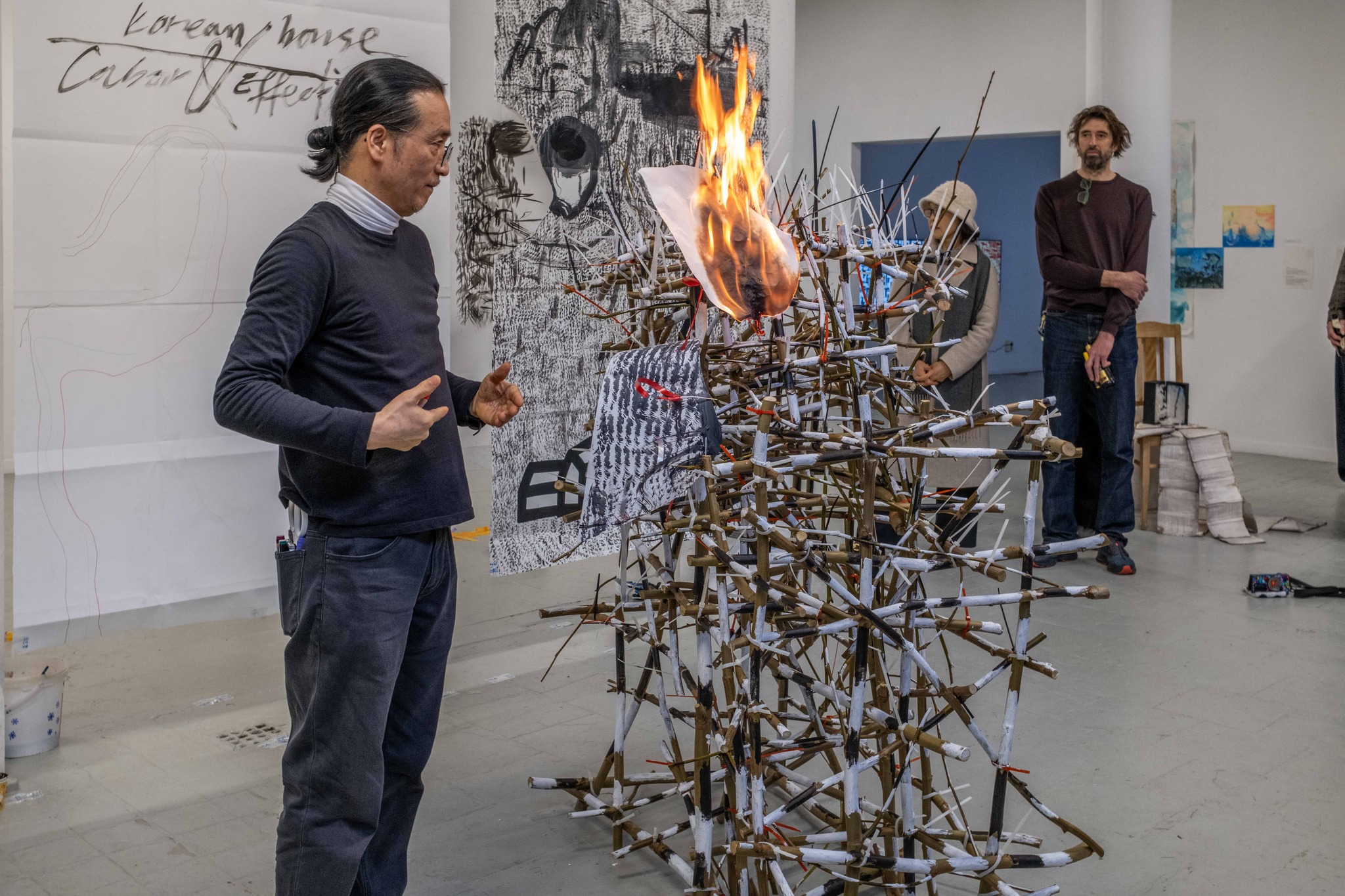
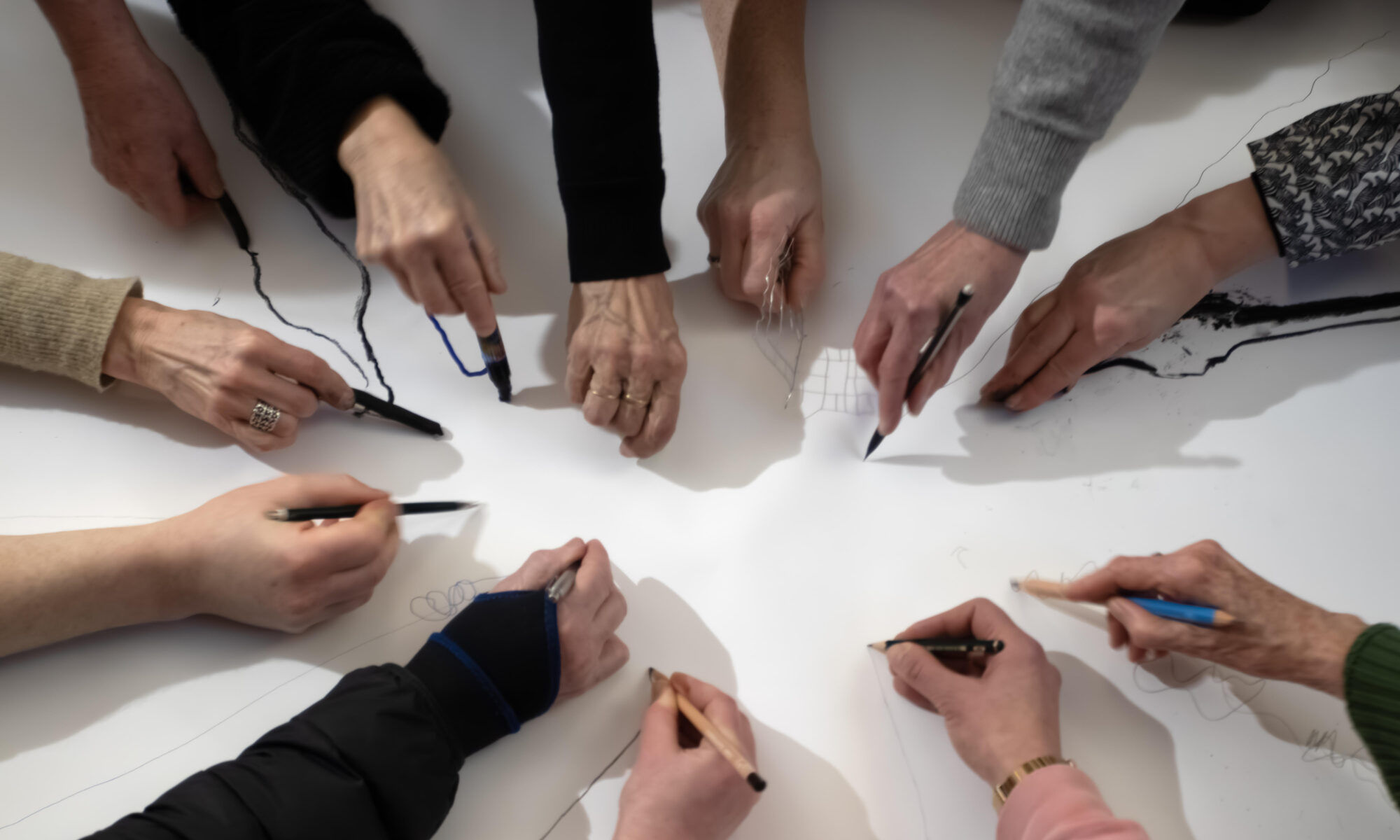
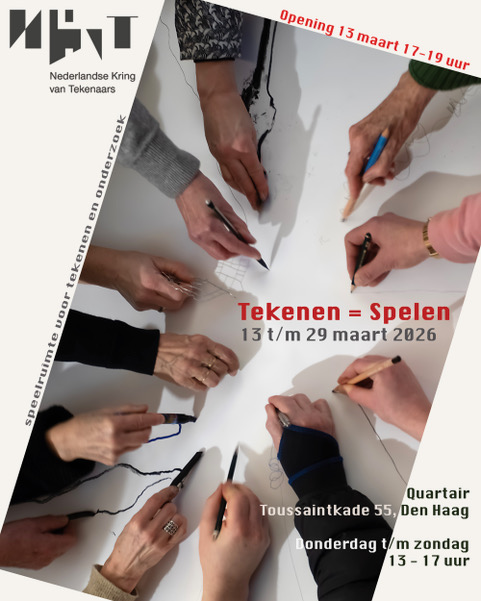
Van 13 t/m 29 maart 2026 verandert de Nederlandse Kring van Tekenaars (NKvT) onze projectruimte in een vrije speelruimte voor tekenen en onderzoek. Onder de titel Tekenen = Spelen werken kunstenaars samen in een open laboratorium, waarin het proces belangrijker is dan het eindresultaat. Experimenteren, falen en opnieuw beginnen krijgen hier volop ruimte.
De tentoonstelling opent feestelijk op vrijdag 13 maart van 17.00 tot 19.00 uur, met aansluitend Hoogtij. Op zondag 29 maart van 14.00 tot 16.00 uur vindt een afsluitend publiek gesprek plaats, waarin de kunstenaars reflecteren op de samenwerkingen en de nieuwe ontdekkingen die tijdens de werkperiode zijn ontstaan.
Quartair is opgedeeld in vier werkzones, waarin groepjes het thema vrijheid vanuit verschillende invalshoeken onderzoeken: in materiaal, in denken, in ruimte en als inhoudelijk concept. Bezoekers zijn getuige van een voortdurend veranderende tentoonstelling, waarin samenwerking, dialoog en experiment centraal staan.
Zoete Broodjes
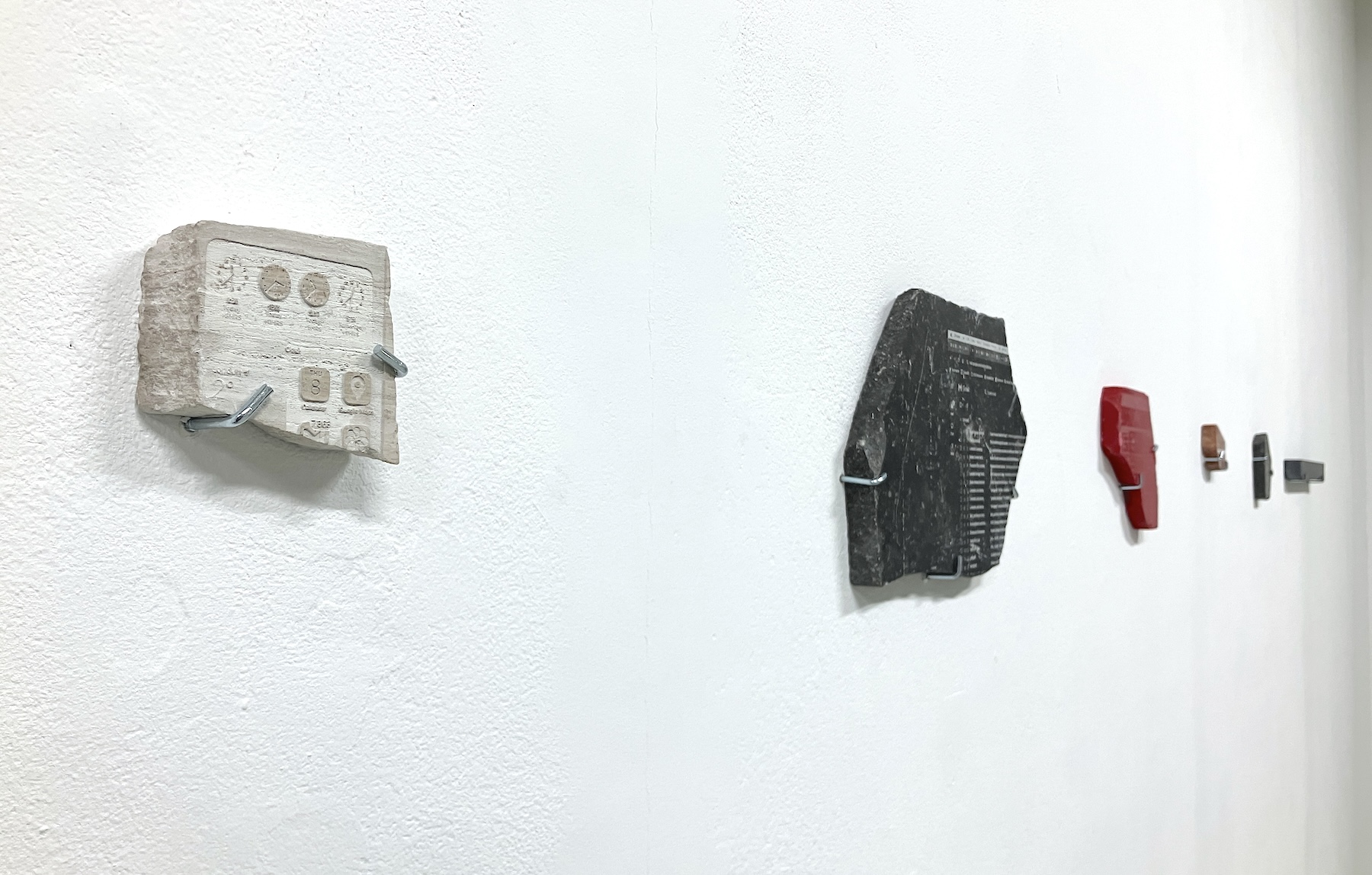
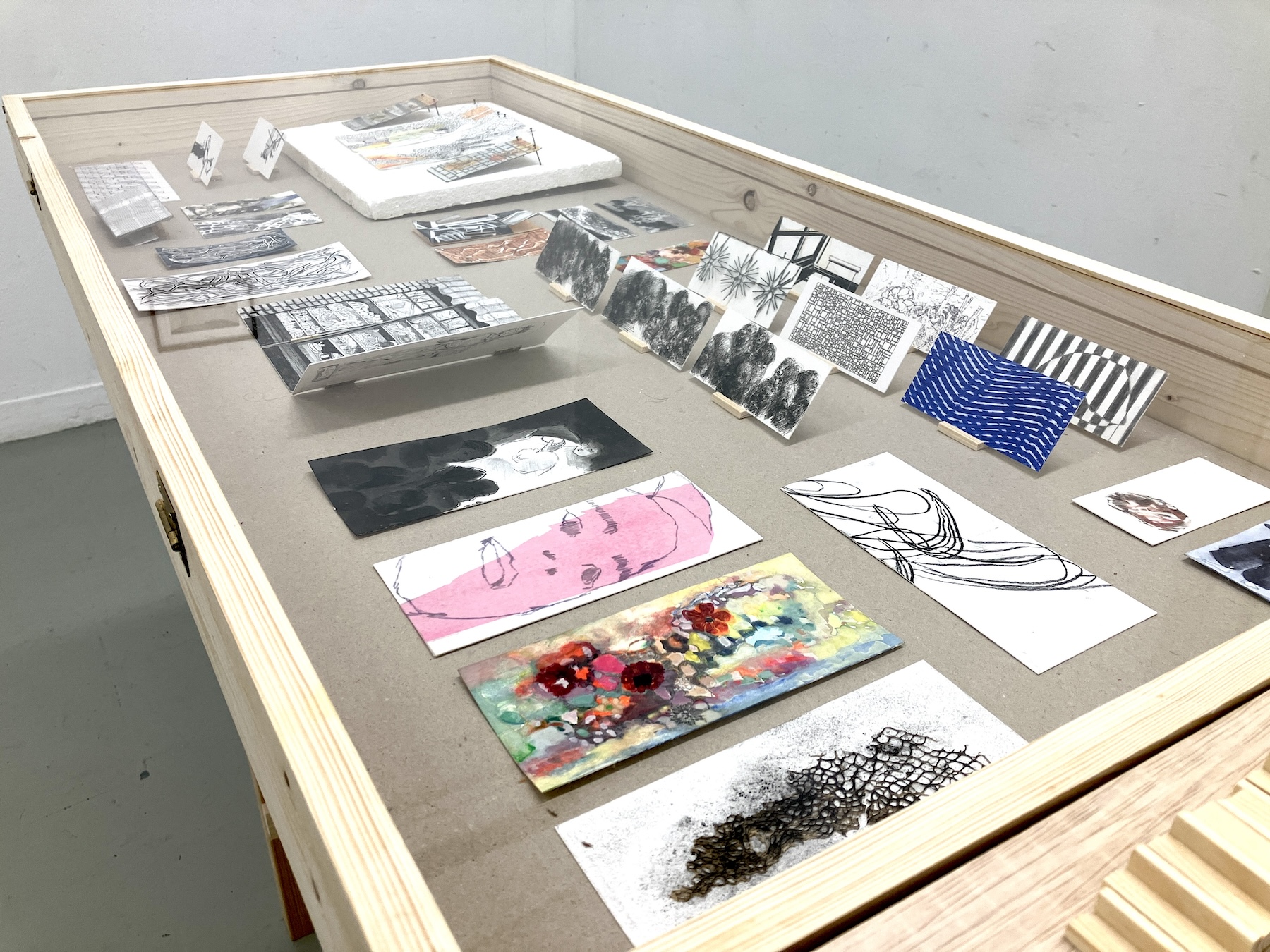
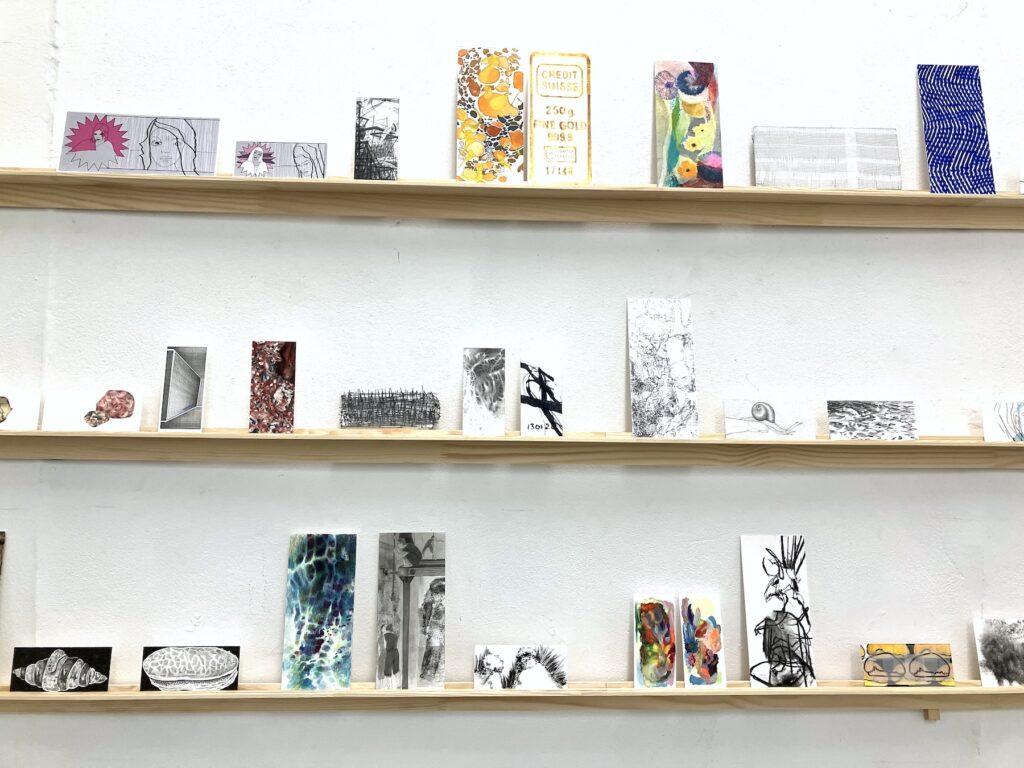
In de achterruimte is de groepsexpositie Zoete Broodjes te zien: kleine tekeningen in het formaat van kadetjes en broden, om direct mee te nemen, geïnspireerd op de geschiedenis van de Haagsche Broodfabriek waarin Quartair is gevestigd.
Over de NKvT
De Nederlandse Kring van Tekenaars verenigt kunstenaars die autonome tekenkunst als kern van hun werk zien. Sinds 1947 maakt de NKvT de ontwikkeling van tekenkunst zichtbaar en biedt een platform voor ontmoeting, onderzoek en uitwisseling. Meer informatie: www.nvkt.nl
Tekenen = Spelen is een uitnodiging om vrijheid niet alleen te bekijken, maar ook te ervaren: als bezoeker, als maker en als mens.
Kunstenaars
Hanna de Haan, Yvonne van de Griendt, Inez Ishizaki, Ben van der Wel, Lisanne Sloots, Natascha Waeyen, Selma Dronkers, Nanou Jacobs, Anna Rudolf, Zela Odessa Palmer, Laurens Heidendael, Yvonne van den Herik, Marijke Vijfhuizen, Tom Heerschop, Anne Verhoijsen, Emma van Drongelen, Liesje van den Berk, Sandra Mackus, Wilma Laarakker, Herman Fontein, Egbarta Veenhuizen, Janneke Tangelder, Ingeborg Oderwald, Bernadette Beunk, Georg Bohle, Matthijs van Zessen, Thérèse Zoekende.
EN
Tekenen = Spelen (“Drawing = Playing”) is an invitation not only to observe freedom, but also to experience it: as a visitor, as a creator, and as a human being.
March 13–29, 2026
Opening: Friday, March 13, from 5Pm to 11PM (during Hootgij #84)
Exhibition hours: Thursday through Sunday, 1:00-5:00 PM
Finisage & artist talk: Sunday, March 29, 2:00–4:00 PM
organized by NKvT (the Dutch Circle of Drawing Artists)
Participating artists: Hanna de Haan, Yvonne van de Griendt, Inez Ishizaki, Ben van der Wel, Lisanne Sloots, Natascha Waeyen, Selma Dronkers, Nanou Jacobs, Anna Rudolf, Zela Odessa Palmer, Laurens Heidendael, Yvonne van den Herik, Marijke Vijfhuizen, Tom Heerschop, Anne Verhoijsen, Emma van Drongelen, Liesje van den Berk, Sandra Mackus, Wilma Laarakker, Herman Fontein, Egbarta Veenhuizen, Janneke Tangelder, Ingeborg Oderwald, Bernadette Beunk, Georg Bohle, Matthijs van Zessen, Thérèse Zoekende.
Quartair project space will transform into a playground for drawing, freedom, and research. The artists collaborate as in an open laboratory, where the process is more important than the end result.
Read more on: nkvt.nl