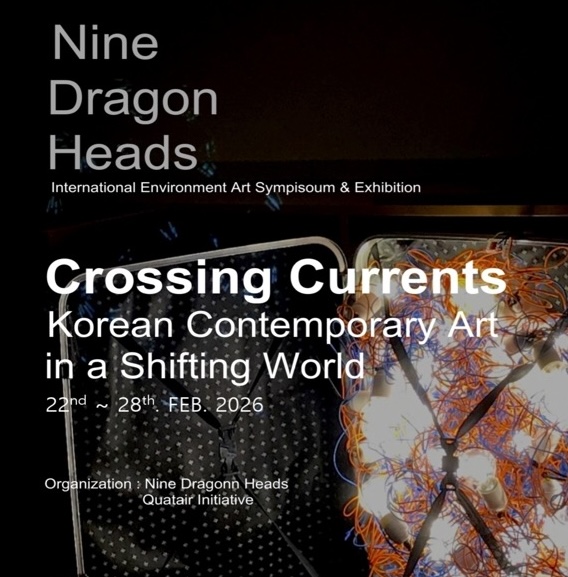
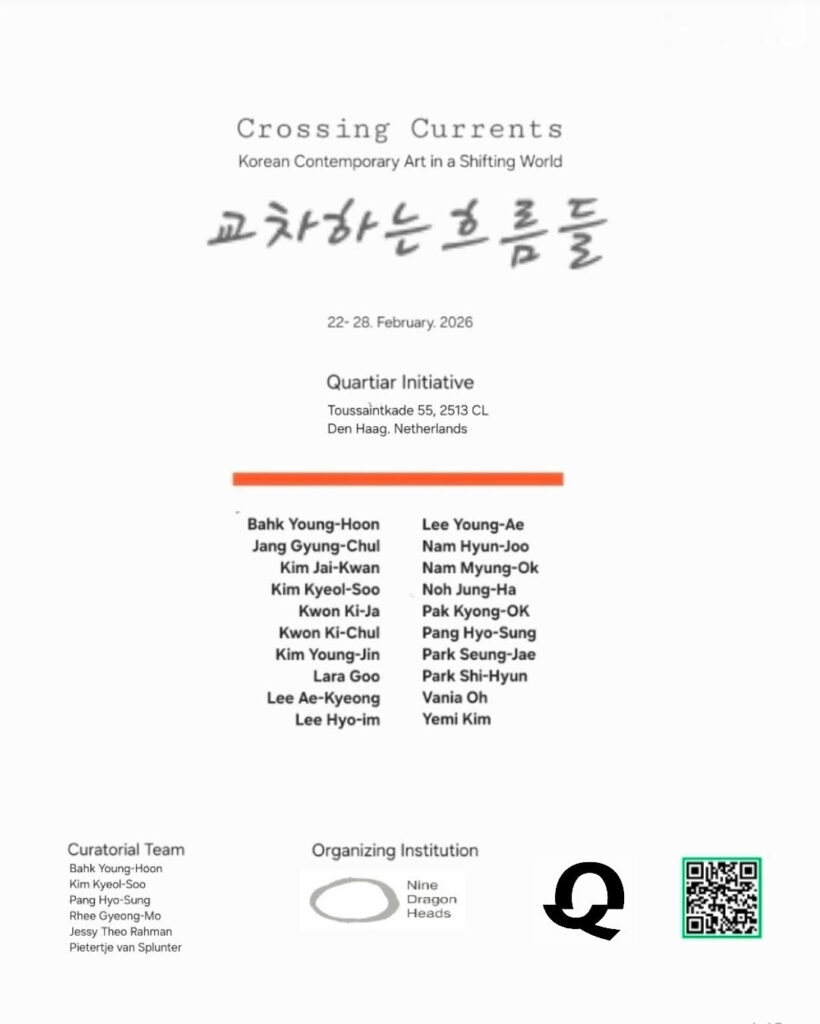
Upcoming: Nine Dragon Heads | Crossing Currents

Exhibition 22-28 Feb 2026

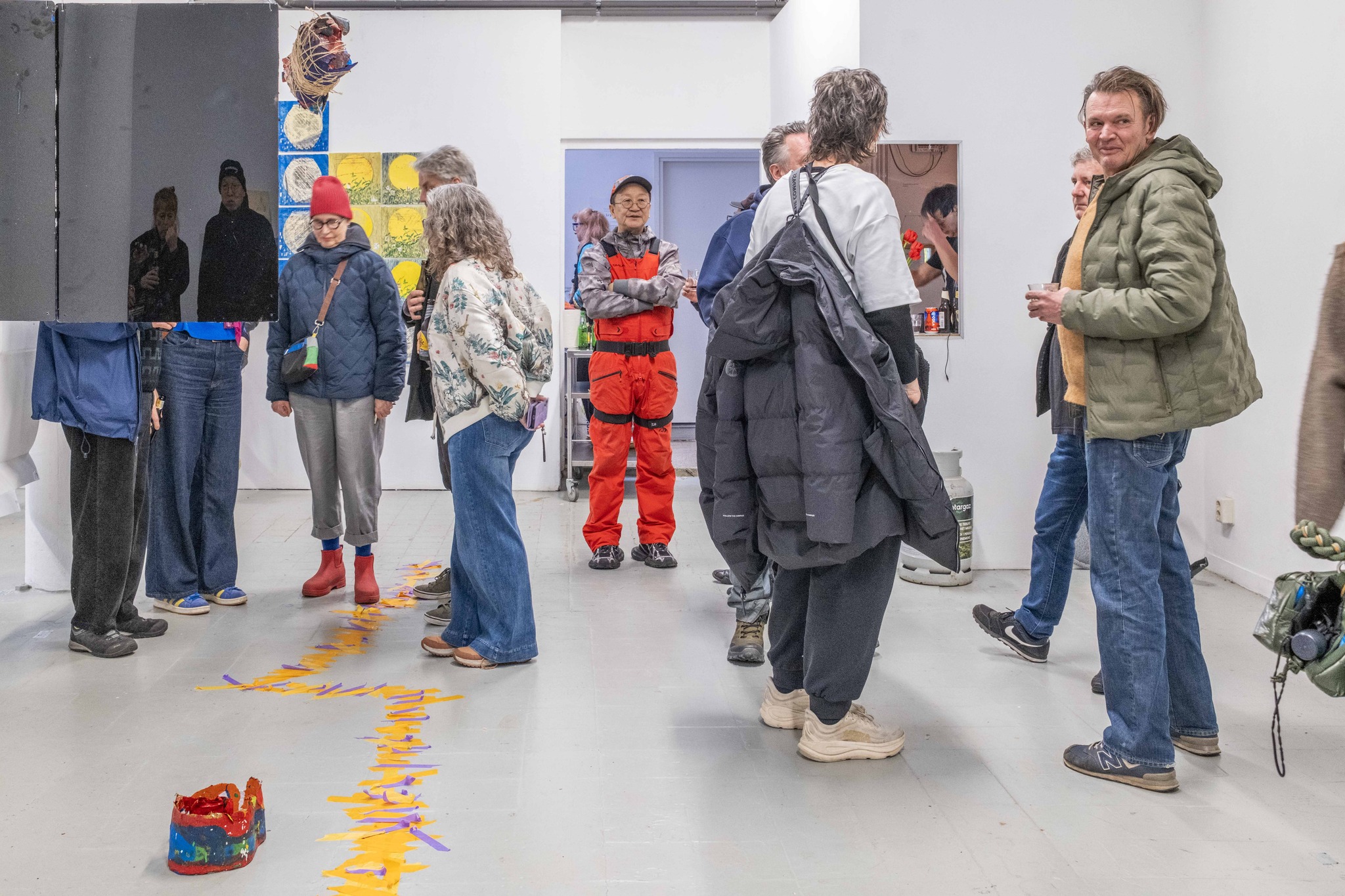
Opening Sunday, Feb 22nd
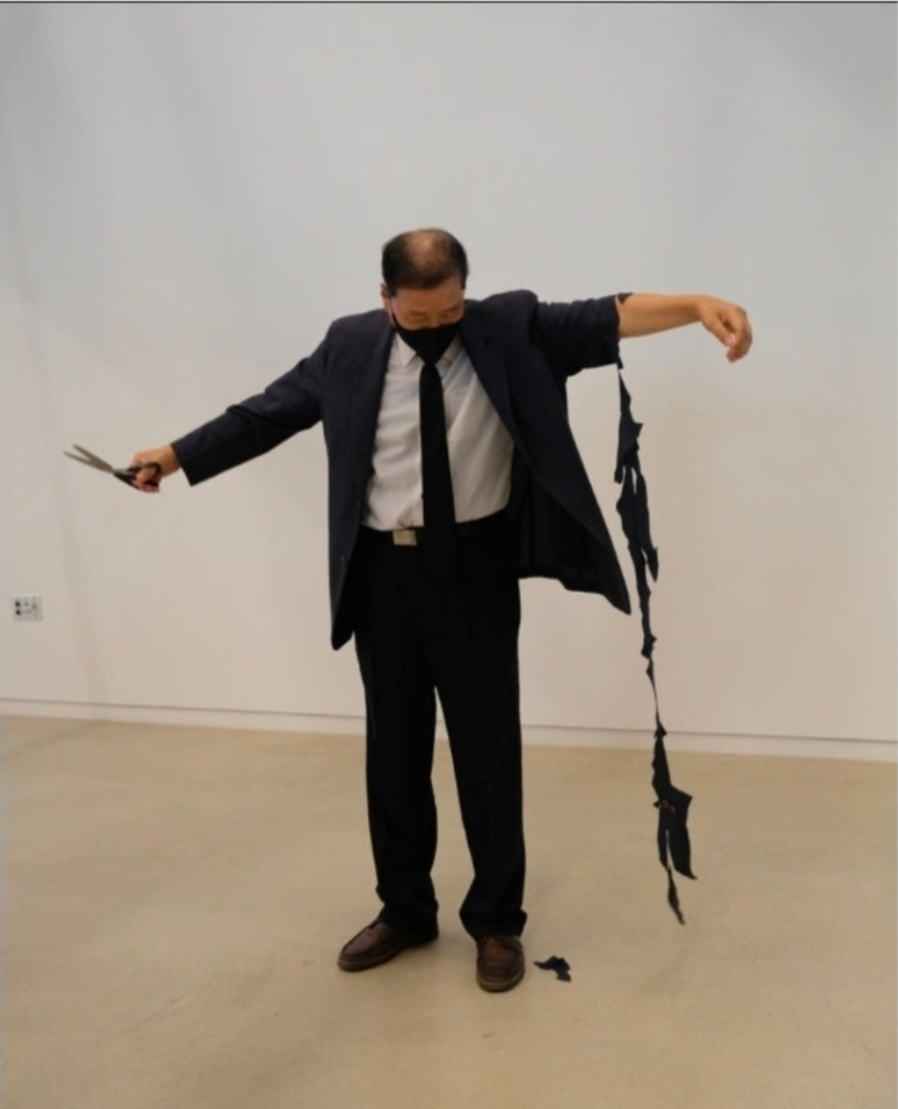
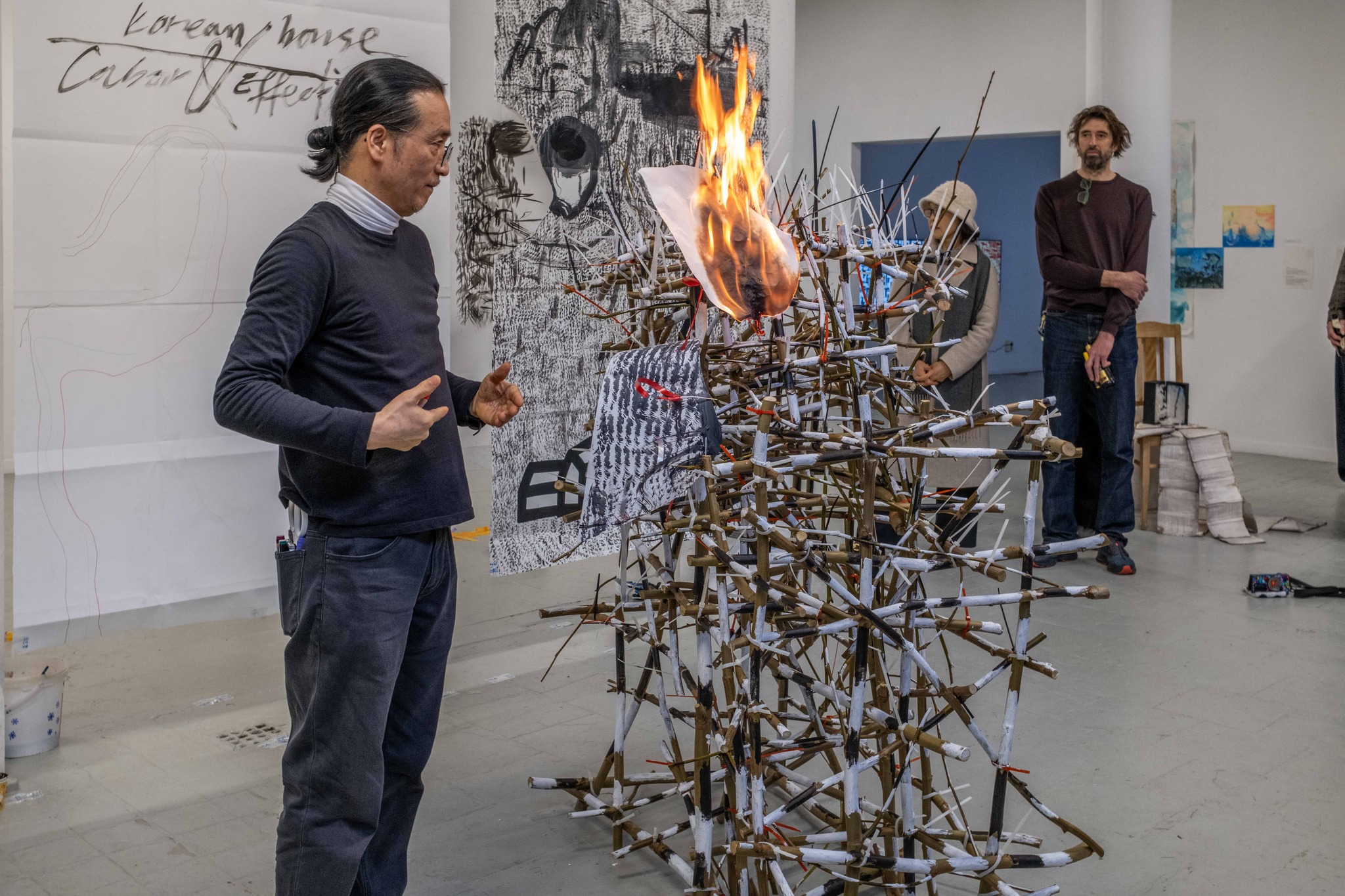
15:00 opening with performances

Presentations Monday, Feb 23rd
15:00 Lecture by critic Rhee Gyeong-Mo
16:00 Artists talks
17:00 Korean dinner

Nine Dragon Heads is a Korean contemporary art nomadic platform cooperating with Quartair for over 15 years.
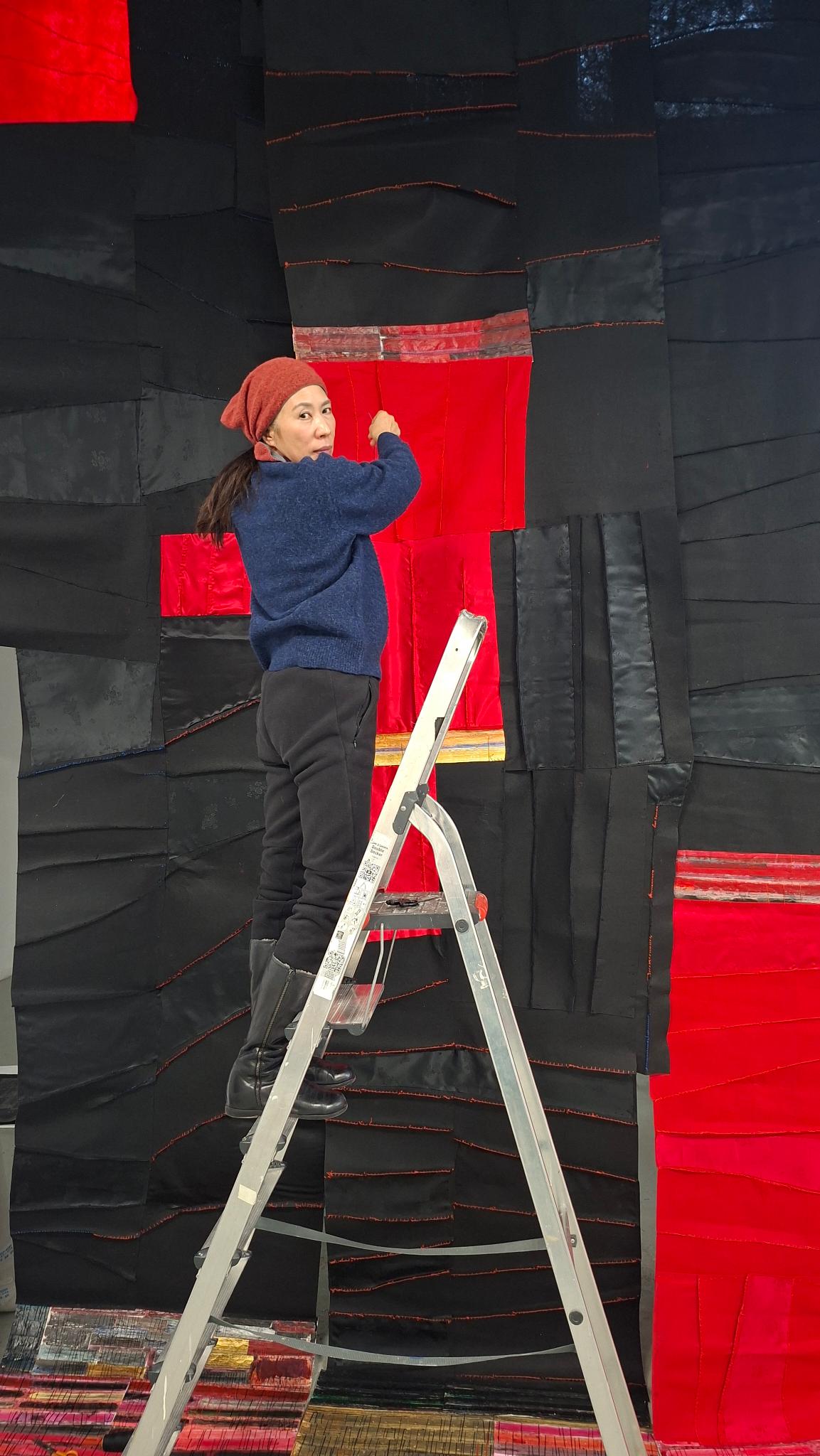
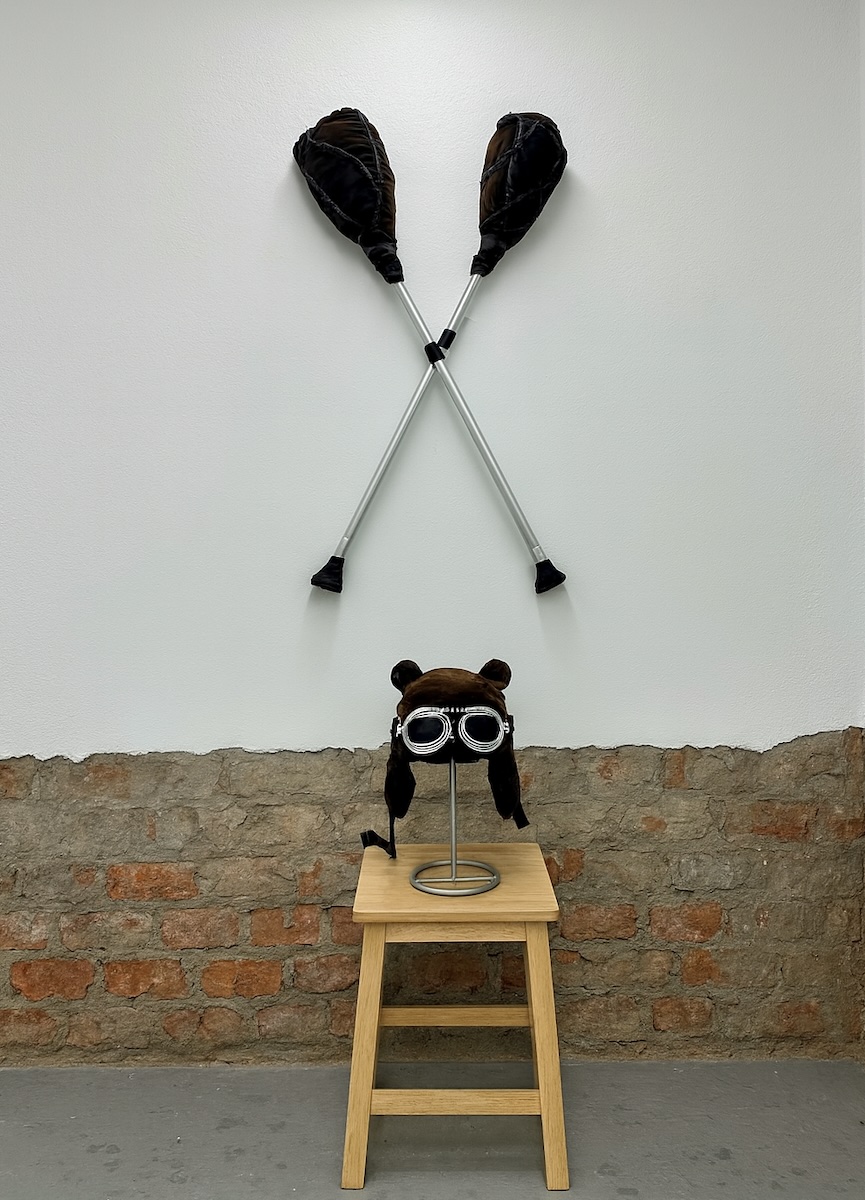
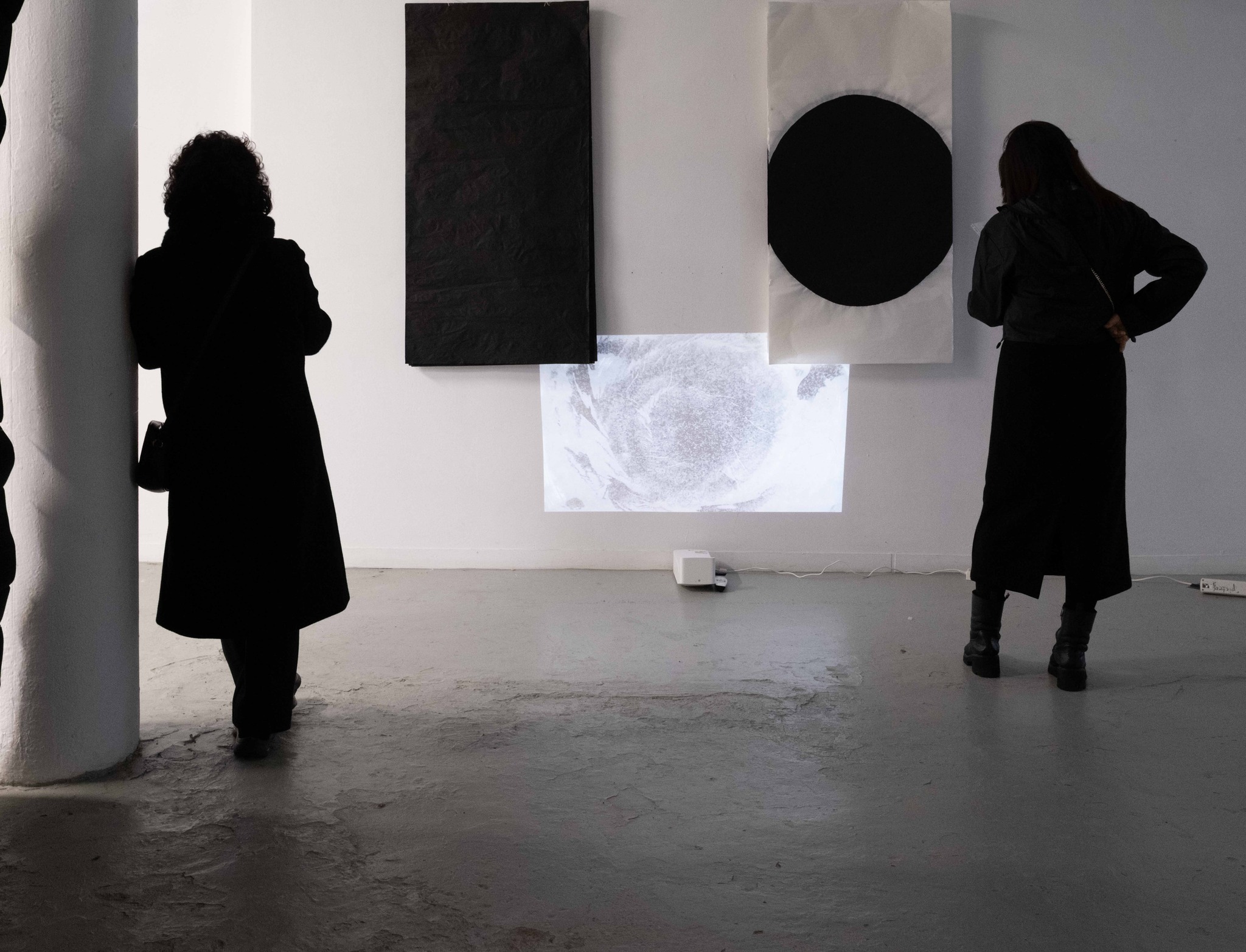
Crossing Currents presents a dynamic survey of Korean contemporary art that reflects the country’s rapid cultural transformations and its expanding role in global artistic discourse.
Bringing together artists whose practices span from installation, performance, video, photography, to post-material experimentation, the exhibition explores how Korean artists navigate themes of identity, mobility, ecology, and technological change while engaging in dialogue with European and global contexts.


The exhibition positions Korea not as a remote cultural sphere but as an active participant in the transnational flow of ideas—resonating strongly with Quartair’s long-standing interest in international exchange as an experimental artistic practice.

Participating artists:
Pang Hyo-Sung (performance), Jang Gyeong-Churl (photo), Lee Hyo-im (panting), Lee Ae-Kyeong (painting), Vania Oh (object ), Kim Young-Jin (Video), Kim Kyeol-Soo (installation), Kwon Ki-Ja (object ), Kwon Ki-Churl (drawing), Pak Kyong-OK (painting), Park Shi-Hyun (drawing), Bahk Young-Hoon (video), Noh Jung-Ha (Video) Ran Hwang (object), Lee Young-Ae (drawing), Park Seung-Jae (painting), Lara Goo (object), Yemi Kim (animation).


This event is supported by AAW ( Asian Artworks) and MOON Gallery 101.


The Environmental Art Symposium Nine Dragon Heads was initiated in South Korea by Park, Byoung-Uk in response to the destruction of an important historical site in 1995, and has evolved from the specific eco-political motivation into an open, interdisciplinary nomadic platform where an association of artists from around the world implement individual and collaborative art projects related to humanitarian, political, environmental and cultural issues.
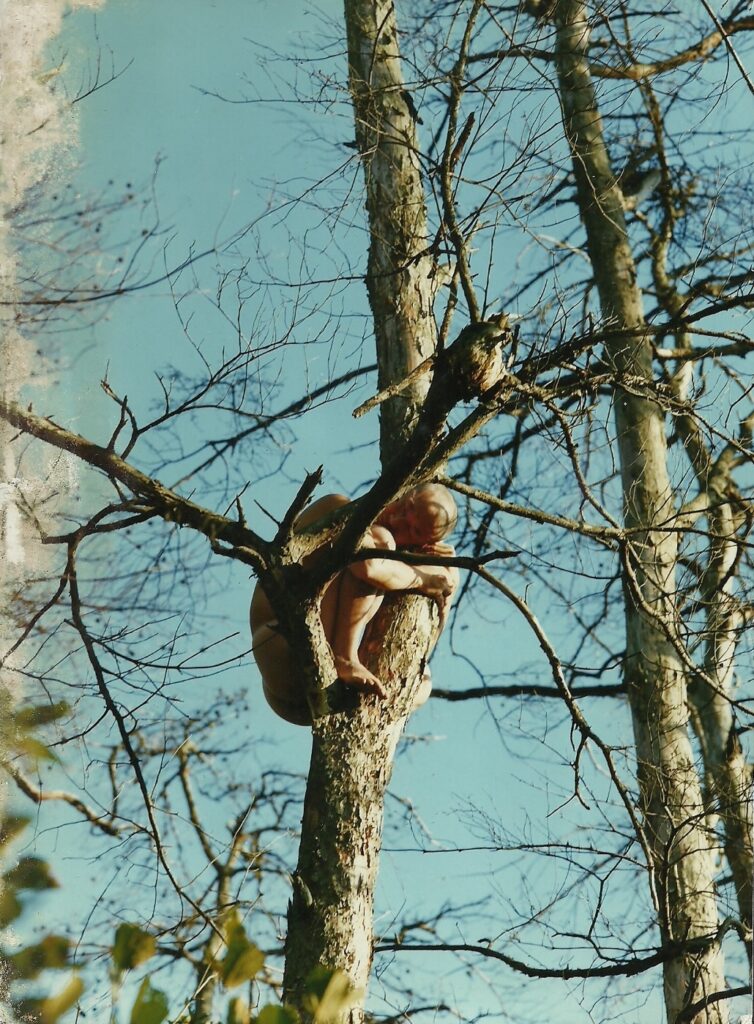
The origins of Nine Dragon Heads are part of a distinct continuum of artistic development in Korea, beginning in the 1980s and 90s with a small group of artists (contemporaries of Park) who wanted to consider artistic and philosophical problems outside of traditional Korean art forms and who were motivated to remain under the radar of the military regime and government control in place at that time. In that political environment a significant thread of South Korea’s contemporary art development took place in off-site projects, held within rural mountainous areas and remote natural sites.

During thirty years of activity Nine Dragon Heads has evolved out of its specific locality and historical background to investigate a broader range of transitional environmental, economic and political situations. A further important step for Nine Dragon Heads began in 2006 when it became actively nomadic. It was a natural progression for the project to begin to engage with other specific localities and their eco-political histories by traveling.

Working in locations with transitional characteristics that may be environmentally, economically and/or politically troubled, on important cultural, historical and geopolitical routes has become a particular feature of working within Nine Dragon Heads. It is noteworthy that Nine Dragon Heads is an inherently flexible model capable of responding perceptively and with focused spontaneity to the inevitably unexpected contextual conditions which occur within the immediate surroundings of each location the group is engaging with artistically.

Nine Dragon Heads has worked on locations throughout the South Korean Peninsula and its islands, including the Demilitarized Zone (DMZ) and Joint Security Area (JSA) between the North and South of Korea. Other areas recently engaged include Bosnia/Herzegovina, the South Caucasus; Georgia, and Central Asian locations; Uzbekistan, Turkey, China, Tibet and Mongolia. Past projects have also taken place in Switzerland, Australia, New Zealand and Brazil.

Read more on: www.9dragonheads.com
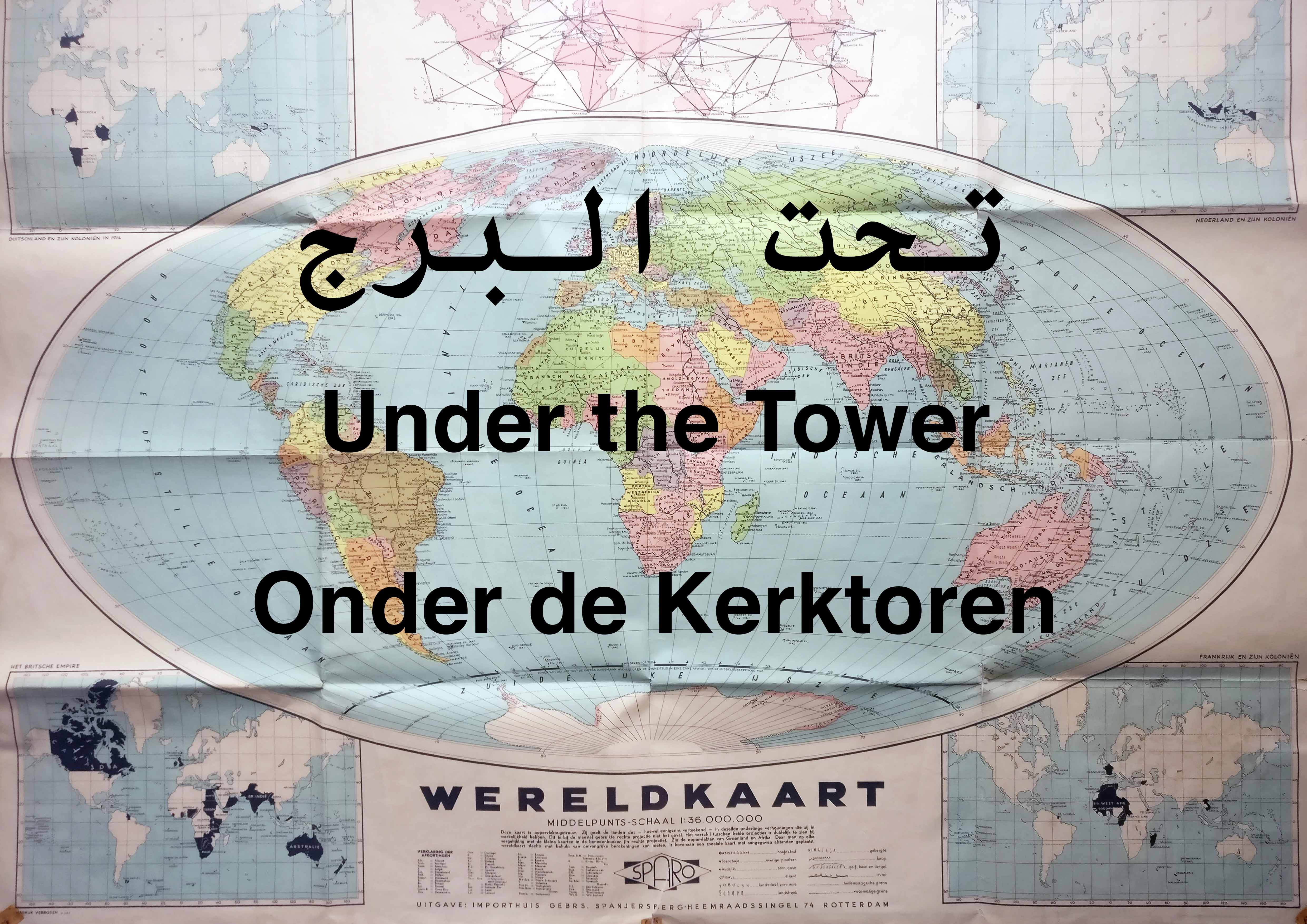
Onder de Kerktoren / Under the Tower

Exhibition 2–17 October 2021
Ilona Senghore, Paul Donker-Duyvis, Rosh Abdelfatah & Rodi Khalil
curated by Jessy Rahman & Blanka de Bruyne

Onder de Kerktoren / Under the Tower / تحت البرج
Opening: Friday October 1st at 8pm
Opening hours Friday, Saturday, Sunday 1–5pm

Extra event: Saturday, 09 Oct at 7pm
Arab Film Festival Evening, presented by Rosh Abdelfatah


The church tower and the curfew

‘Onder de Kerktoren (Under the church tower)’ is a typical Flemish expression that means “small-scale” or “navel-gazing”. Universality and open-mindedness sit at the opposite end of the spectrum. These two extremes are diametrically opposed to one another. The concepts of local and global have a new ring to them. Western European citizens have experienced the reality of lockdowns for the first time since the Second World War. We were confronted, quite literally, with the perspective of our current location. How do we see things from such a position? Is there a difference between the digital and the physical experience?


Artists:

Ilona Senghore: Dezelfde adem voor hetzelfde gevaar

Ilona Senghore – “I am getting a cold and think I am infected. On the day that the Netherlands locks down, the norovirus reigns in my department. In the event of an outbreak, the nursing staff continues to work with the appropriate measures. Other disciplines do not come to the ward in order to limit further spread in the nursing home. I belong to the group of well-being counselors and work in a ward with 32 residents with dementia, half of whom are relatively young. Fortunately, after a week, the norovirus is gone. Unfortunately, the Coronavirus is spreading further across the Netherlands and is breaking out in nursing homes as well.

“It is very quiet on the street. I cycle through the quiet streets sobbing to work because I feel strongly that I am a source of contamination and the last thing I want is to infect the residents. The use of face masks will soon be made mandatory. Visitors are no longer allowed. Family and friends are not allowed to visit. That has a huge impact on everyone. Emotional dramas take place. A family secretly rows over the ditch with an inflatable boat to be able to be with their mother. Face-time calling is introduced. I take hundreds of pictures to show the family that they are doing well. Convinced that being outside is the best remedy, I walk for hours with the residents through the paradise garden, which seems more beautiful than ever. The sky is clear blue, there is no noise, no planes.”

Ilona Senghore graduated in 1989 as Monumental Designer at the Royal Academy of Art in The Hague. In addition to being active as an artist, she teaches painting and has been working since 1995 as a well-being counselor in a nursing home. Ilona makes symbolic drawings, paintings and socially critical ceramics. She draws associatively to understand everyday life, which puzzles her often. From random lines and shapes, a story unfolds that becomes known during the drawing, or even the day after.

Thus the trace appears in her work, the symbol of time. The train comes roaring unstoppably. The trumpet with its bell is the attention that is demanded. The animals can be themselves, but more often symbolize human actions. The water and the sea is the subconscious, a movement and the source from which it all begins.

ilonasenghore.nl

————————-

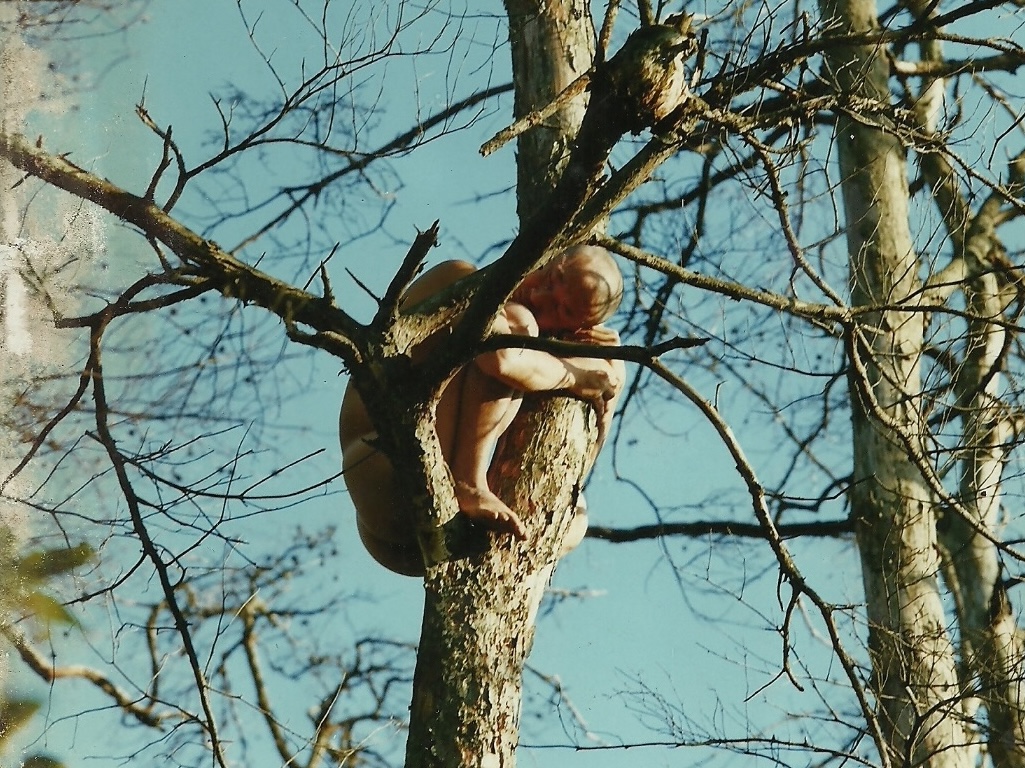
Paul Donker-Duyvis – Corona Cancer Comfort

The Corona outbreak was only a few months through when metastatic tumors were discovered in Paul Donker Duyvis body. Immediately three muses took care of him and became Angels, Caregivers and Comforters. Donker Duyvis decided to use the illness as a vehicle for a staggering, undisguised and moving series of self-portraits, which portray the comforting and warm contact with the three women.

The understanding treating physicians quickly turned to life-prolonging treatments: radiation, hormone injection and chemotherapy, but they are all physical treatments. Psychological help was also offered, but much more important than words was the indispensable touch – which produced an immediate comforting and magical effect.

The touch, the skin, the direct contact, the production of Oxytocin (known as the cuddle hormone) is an neglected part of medical and terminal care in the eyes of the photographer, who is seriously ill. The moving series of straight black and white self-images Corona Cancer Comfort 2021 is a plea for the return of the loving, healing touch, which was missed by many during the Corona pandemic.

www.pddstudio.wordpress.com

Rosh Abdelfatah is a Kurdish-Syrian artist, filmmaker, artistic director of the Arab Film Festival Rotterdam, who graduated at the St. Joost Academy in Breda, 2006. Currently he makes freelance productions for different Arabic TV stations and works as an independent artist in Netherlands and Middle East.

“As an individual you hardly have any control over the environment. Reality forms while you look at it helplessly. As an artist and filmmaker I search for images where I can get a grip of time. In my work I look for moments of support. They are anchors in a deteriorating, changing environment. The search for what is in disappearance forms visual benchmarks that, if well done, can convey both pain and comfort.” – Rosh Abdelfatah

arabfilmfestival.nl

Rodi Khalil

Rodi Khalil was born in Tal Hedat, Syria, studied art and design at the University of Damascus. He worked as an stage designer at the Theatre of Damascus, as well as in different TV films broadcast in Syria. He has exhibited his paintings and sculptures in London, Rotterdam, Beirut, Turkey, Spain, New York, Sweden and Germany. In Germany he was also involved in set design and became a member of the National Association of Artists (BBK Bremen) and the International Association of Art (IGBK, IAA, AIAP).

“I come from a land of myths and repression. For me these myths are building a connection to the present. They offer topics which are fascinating and ageless. I want to build a bridge from past to present for all those people who are open or can be interested for that. My images are showing elements of manifold cultures: those of the Assyric, Meder, Marer, which I am a child of.“ – Rodi Khalil


Hard Times is a Dutch edition of the international project Onder de Kerktoren / Under the Tower (underthechurchtower.org). The project links a range of artists, curators and locations so far in Belgium, the Netherlands and Palestine, as a response to the Corona times and the lockdown.

The church tower and the curfew

‘Onder de kerktoren’ (‘under the church tower’) is a typical Flemish expression that means “small-scale” or “navel-gazing”. Universality and open-mindedness sit at the opposite end of the spectrum. These two extremes are diametrically opposed to one another. The concepts of local and global have a new ring to them. Western European citizens have experienced the reality of lockdowns for the first time since the Second World War. We were confronted, quite literally, with the perspective of our current location. How do we see things from such a position? Is there a difference between the digital and the physical experience?


See you at Quartair:
Toussaintkade 55,
The Hague